Anybody ever hear of a coywolf? It's a coyote/wolf hybrid found mainly in eastern Canada but there have been some seen in New York. I didn't think that was possible because I have alway heard that wolves usually kill coyotes.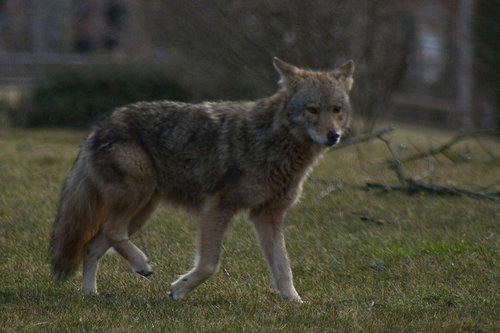



Follow along with the video below to see how to install our site as a web app on your home screen.
Note: This feature may not be available in some browsers.



There are Red Wolf/Coyote hybrids in eastern NC.


I would love to see an "80 pound" coyote on a scale. My guess is most are field weighted.
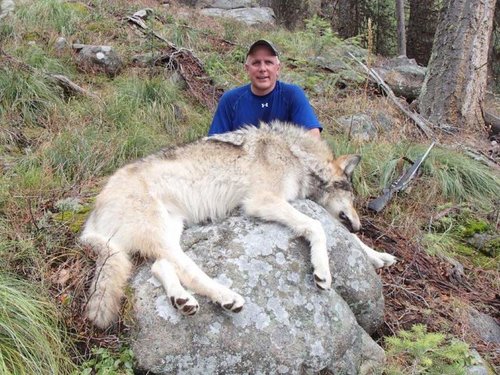
87 pounds, spent the best part of the day packing it out while so I could put it on a scale at a packing plant. This is why I raise an eyebrow when I hear of these huge coyotes that probably never touch a scale.
Back to the op, I have heard of supposed dog/wolf cross and that's why there are 200 pound wolves now in Montana. Total BS. When wolves and dogs meet its not for breeding.