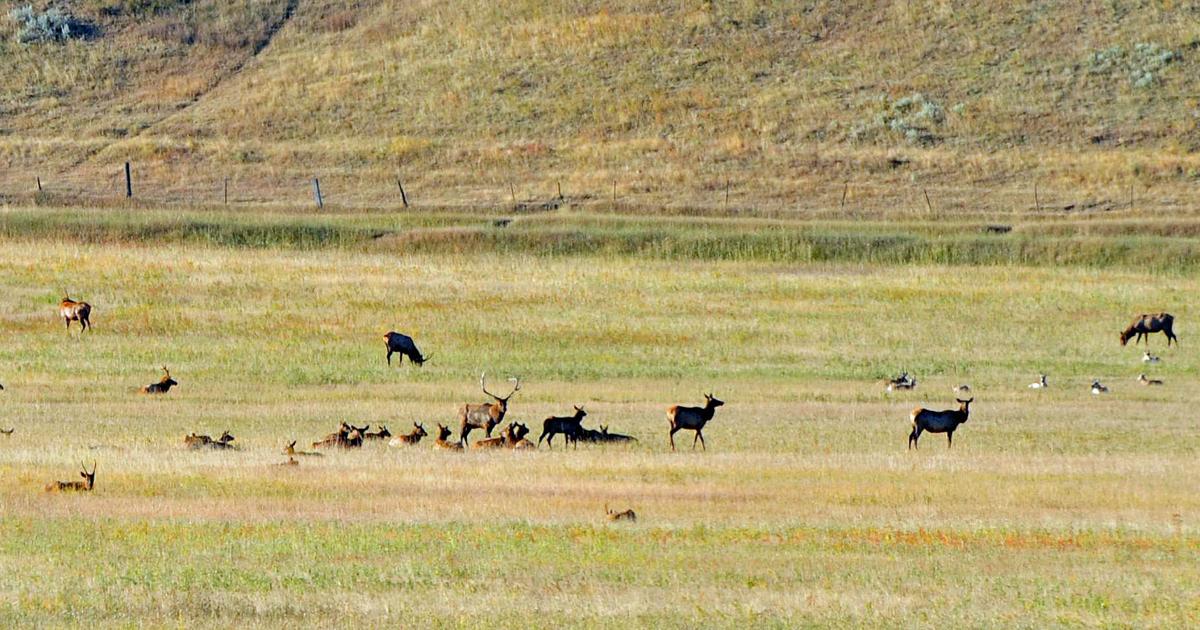
There are a lot of landowners who are trying to work within the system to increase harvest and decrease elk prevalence on their ranches. Those folks have an undue burden placed upon them by external forces. Those landowners have every right to express their frustration about current management philosophies and practices. But the majority of talking heads who get quoted in these articles are using sympathetic language to paint all landowners as suffering from an over-abundance of critters, simply to advance their own notions of how things should be managed - i.e. ranching for wildlife.
Those solutions being offered don't do anything to get to the meat of the matter - elk distribution off of private lands and on to public lands. In fact, Ranching for Wildlife programs tend to exacerbate the issue of harboring, and as we've even had legislators themselves testify, they manage all seasons, including shoulder seasons, to increase harvest rates for their guests, and not actually follow the program.
Wildlife does exist as a condition of the land. That is clear in both the Sackman & Rathbone Supreme Court case decisions, as is the prescription that landowners work with the agency to develop mitigation plans to reduce damage. In the instance of elk damage, landowners are going to have to find a way to work together to solve elk distribution due to harboring situations on trophy ranches. If they were to engage in that, sportsmen would gladly lend a hand in whatever way is appropriate. If the solution landowners come up with once again is transferable tags, then it's back to pitched battles in the legislature.