Hilcorp Energy completed has its acquisition of BP’s midstream pipeline ownership interests Dec. 18 following approval by the Regulatory Commission of Alaska, the company said

www.frontiersman.com
In 2013 the company purchased several small fields near Prudhoe Bay from BP and similarly invested in a rejuvenation. In one of the fields, Milne Point, Hilcorp has doubled production to just under 40,000 b/d.
“Hilcorp is a major Texas-based independent but the purchase, valued at $5.6 billion, has stretched the company’s resources. Earlier this year as oil prices crashed Hilcorp had to negotiate a restructured financial deal, essentially lowering the company’s early payments to BP.”
I don’t feel like I have a good sense of the PDP value (value of the predicted production of existing wells over time) of the BP asset and because their private, what Hilcorp paid to for that increase in production.
But when I read about Hilcorp and look at their
website, I see a company that specializes in eking out the very last value in wells/fields and I see the asset described as mature. That doesn't read, lots of growth to me. That presentation is old but it's shows 325Mboe/d and 28,000 wells so average ~11.6 Boe/d per well.
Now for comparison if you look at some Permian or Anadarko companies that are getting after it, there are a number that were 0-3000 Boed in 2016/17 and now are over 50,000 Boe/d... and they have 75-150 wells. Typically these companies start by buying up acreage, maybe getting some what appears 'non-core' acreage from a big player or, or piecing several really small companies together.
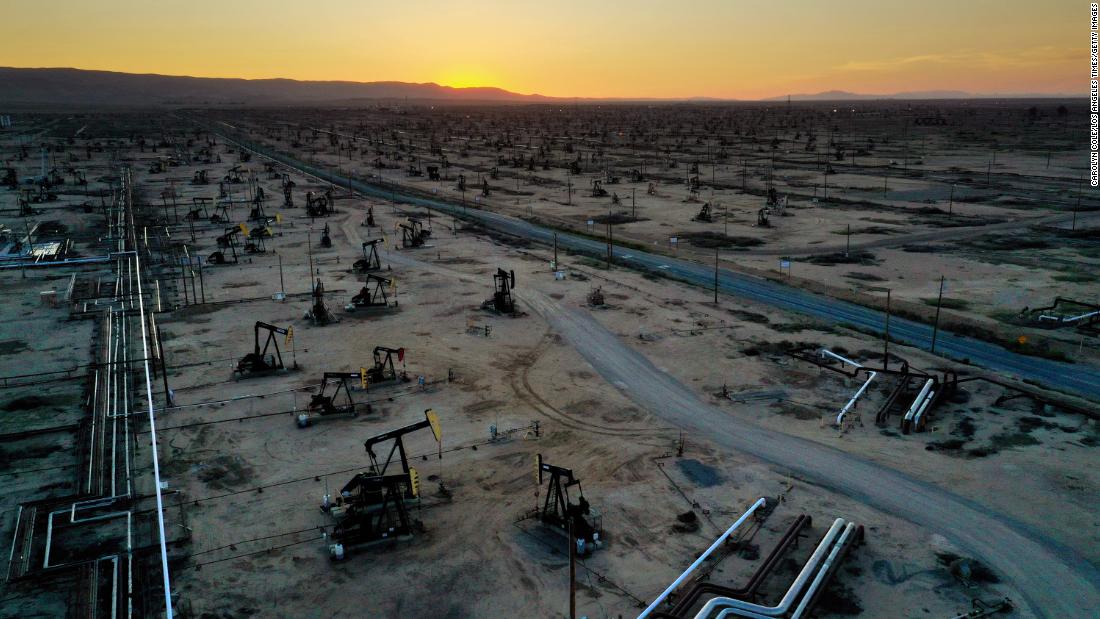
Old wells are typically maintained only to hold acreage (HBP) essentially you get to keep the lease as long as there is a producing well, until the company can drill new wells on that acreage. The old wells might produce 1 barrel a day, the new wells come online and produce maybe 1,000 (will decline maybe 50% after a year, kinda depends) so you have to keep drilling to maintain production. A shale company at 50,000 BOE/d needs to run ~ 2 rigs to stay at that number (basin dependent) to grow you need three... etc.
Nuance here is conventional versus unconventional plays, a conventional play wont have as steep a decline as a unconventional play, and it's A LOT less steep. (AK is conventional, Texas is unconventional)
Now, once the new wells are drilled the company packages up all their old vertical wells, which are no longer needed to HBP acreage and sells them to a company like Hilcorp. Hilcorp is the largest company? that does this, often it's a bunch of small mom & pop operations.
Why do you do this? Well capital. It costs money to maintain wells, and it costs money to rejuvenate them. Let's say if you maintain a well you might make a 10% return, rejuvenating them a 20% return... but drilling a new well 200% return. (completely made up number, but I'm trying to be illustrative) So if a company has a 100MM drilling budget and lots of undrilled acreage it's a no brainer spend all your money towards getting that 200% return. Now drilling wells has way more risk, and requires more capital, so there is that trade off. That said for many operators, the rational is well we already made a huge profit on those wells, let's flip them, lower our staffing costs and invest the money in new production.
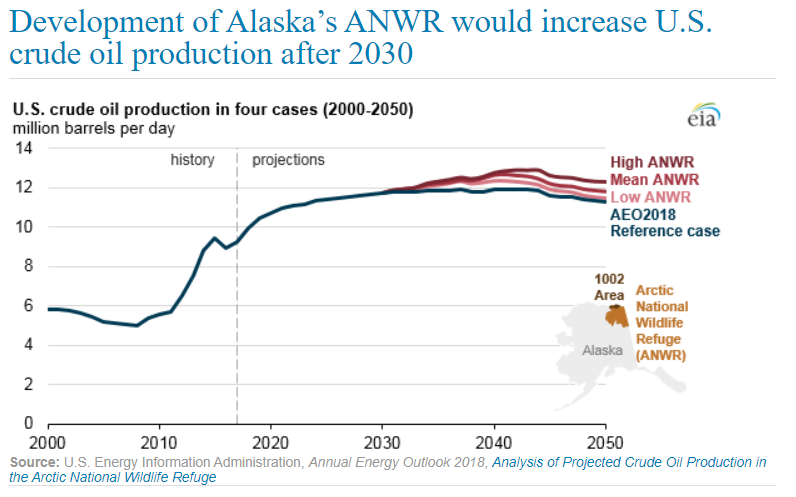
This is all preamble to explain why I don't think Hilcorp moving is a good omen for Alaskan oil. To me the facts point to a company whose MO is to come into fields at the end of their life. They aren't a company that is going to come in and aggressively increase production. To do that you would need to be spending a lot of capital and drilling a whole lot of wells.
Now if there was some headline "Kayne Anderson, Warburg Pincus, Quantum Energy, and Lime Rock partner to create first every pure play North Slope PE company with 4B investment" I would be like

or like if Conoco spend 5B there...






www.reuters.com
www.cnn.com



 .
.





 for AK residents, and I mean that sincerely a lot of people rely on that production.