An oil tax increase was on the ballot in the 2020 statewide elections.
In a phone interview, Dunleavy said that Ballot Measure 1, the oil tax increase, “has the potential to hurt, not help.”
The measure could raise an estimated $200 million from oil companies next year, according to state projections, which amounts to about one-fifth of Alaska’s deficit. But companies say the tax increase would thwart investment in Alaska projects and hurt the state’s economy.
Dunleavy said he thinks the issue of taxation is better handled by state lawmakers than through the initiative process — echoing a complaint by resource development groups that initiatives are a major political threat to their projects.
“You get a better process if it’s done by the Legislature,” Dunleavy said.
(The oil tax initiative failed 58 to 42% votes)
Fast-forward to 2023, Alaska Legislature has started preparing the budget for the upcoming fiscal year with an influx of federal funds and high oil prices anticipated to bring in around $1 billion more in revenue compared to a year ago.
If approved by the Legislature, Alaskans would receive a permanent fund dividend (PFD) of roughly $2,500 per person in 2022. Dunleavy also wants legislators to approve a supplemental PFD payment of $1,250 to create a 50-50 dividend for last year.






 Just following the money and applying Hilcorp's track record for leaving the mess for US taxpayers to clean up.
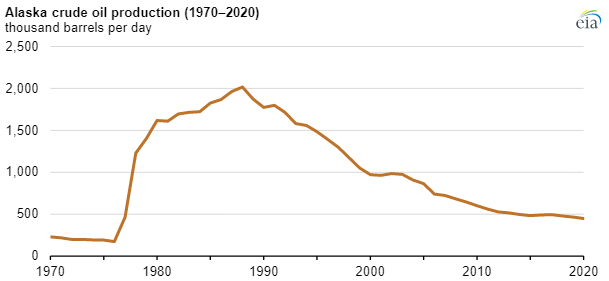
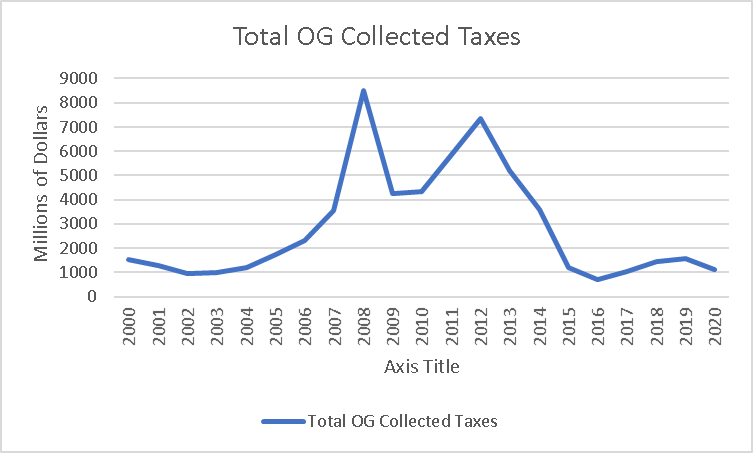
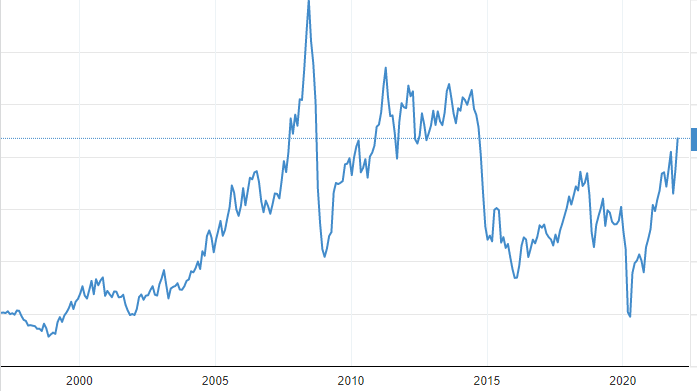

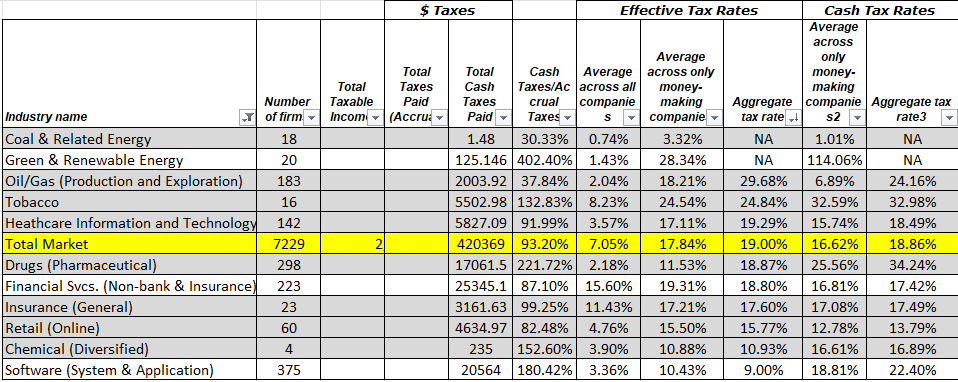
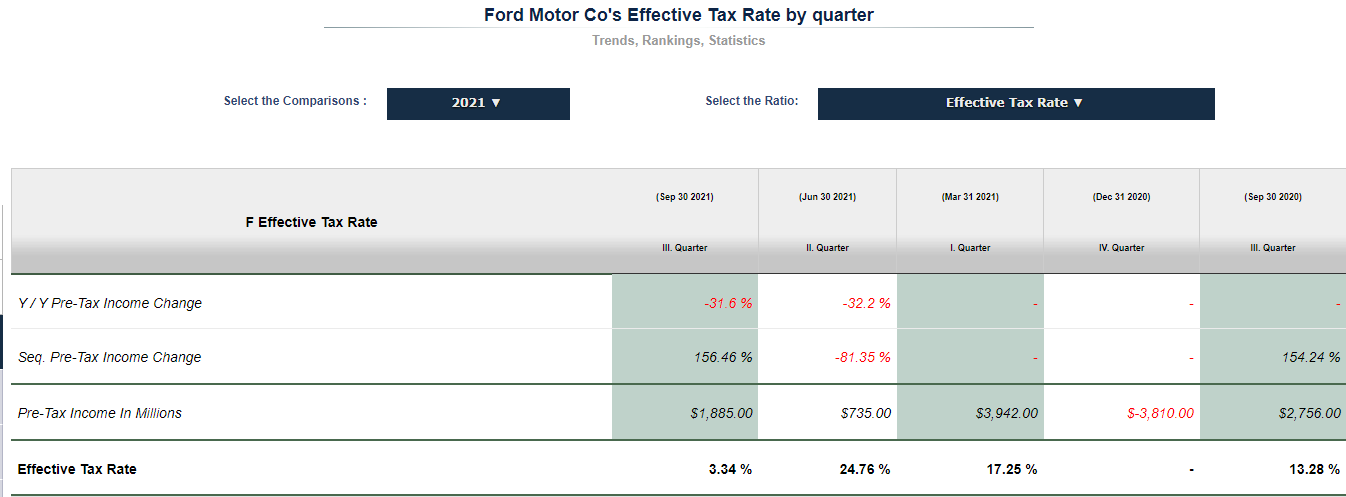
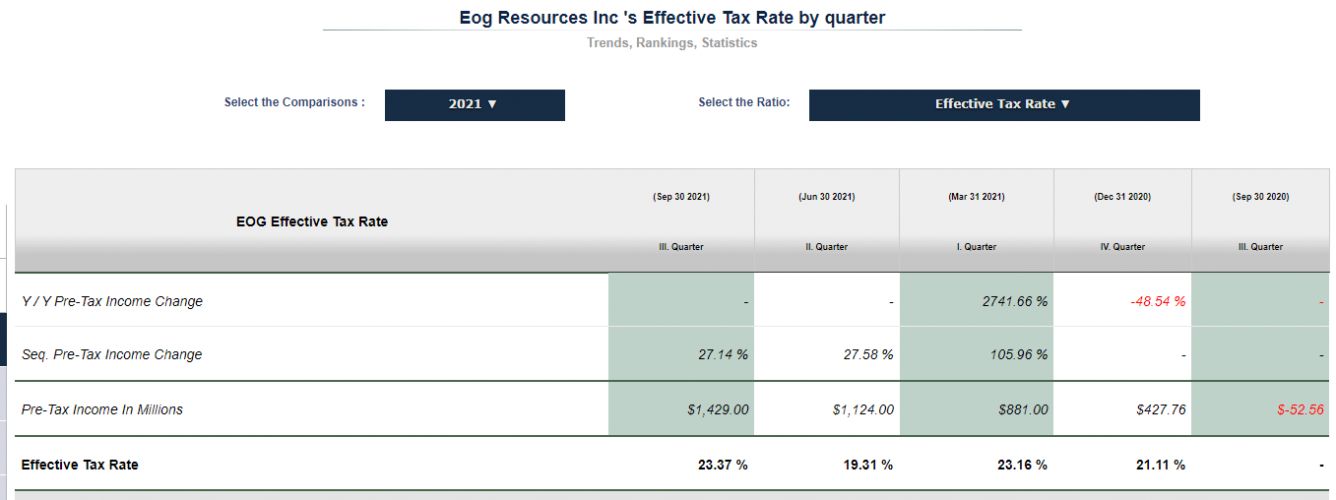
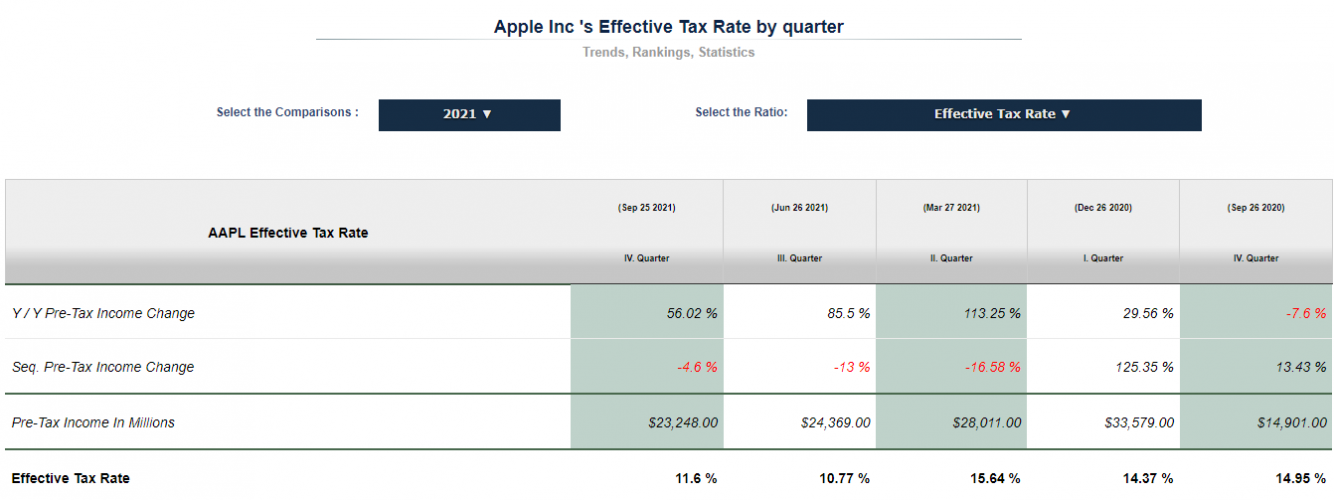
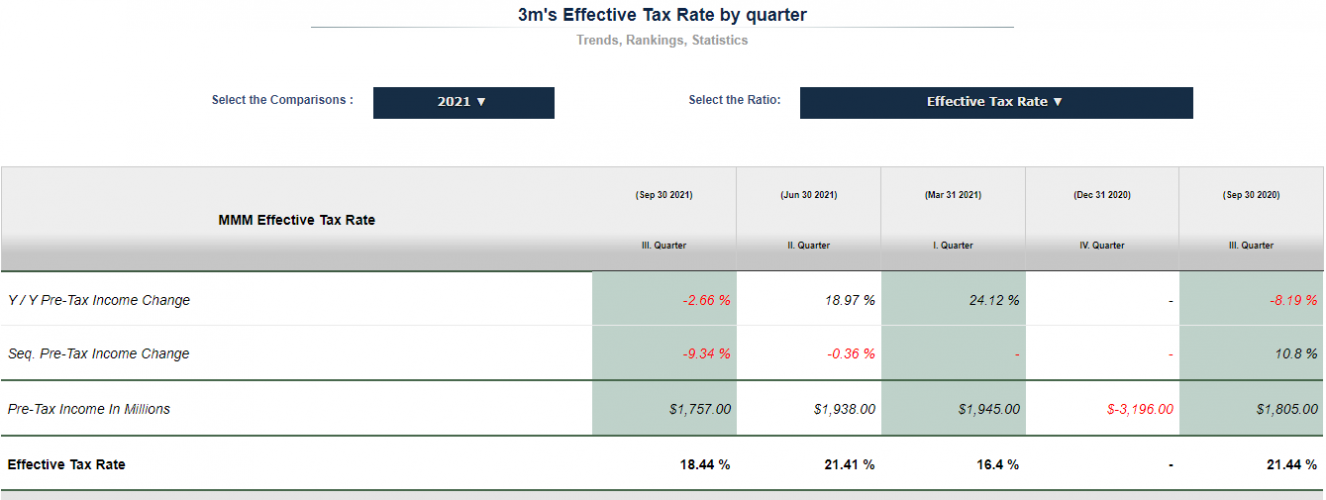
 . It’s a cannot fail industry… and per my OG index v. S&P 500 graph it’s not like producers are doing that great with the incentives.