I'll offer up what I learned from fishing them every year, a lot, between 1978/79 through about 2004. Been away from it a while, but during those years, I fished them a lot (kings too from 1999-2004).
First off, in the case of steelhead, a lot like elk hunting, you'll find that about 90% of the fish are caught by 10% of the fishermen. So, keep that in mind when looking at catch rates, hours per fish, etc.
For the Salmon river around North Fork, with ice, time of year, etc. its largely a jig and bobber show. I wouldn't use a slip bobber, but rather have them fixed. I tried slip bobbers and in cold weather they're a real pain in the ass, freezing is the problem. For that reason, you'll likely need a 10 foot rod, you can get by with an 8'6 but I'd go 10. The reason for that is one, when you're not fishing a slip bobber, its nice to have the extra length. Two, it always makes mending line easier and also allows you to rip a shit-ton of slack out of the line in cases where its tough to mend line...meaning you'll miss a lot fewer fish. Also, when bobber fishing the salmon, pay real close attention on your first couple drifts, almost always will smash a fish the first couple drifts if they're in the hole. Also, its way better to start too shallow when setting your depth for two reasons: 1. You wont hang up and cost yourself fishing time re-rigging, the more your line is the water fishing, the better chance you have to catch fish. I hated wasting time re-rigging. 2. Steelhead will move UPWARD to grab a jig, but rarely do they move downward to get one. So, if you think the hole is 8 feet, I'd start at 5-6 feet and adjust from there.
Never spend much more than an hour in a hole on the Salmon, unless you're just knocking the snot out of them. If you catch a few fish in a hole and the bite stops, change your jig color, shape, etc. and fish a while longer. Many times, I've picked up a couple fish quick right after changing colors or size. Don't be afraid to fish twister tails, tube's, etc. in hot colors. I once watched a friend land 3 absolute slugs on the Clearwater on nothing but a green foam earplug.
The guys that pound it out in one hole on the Salmon will NEVER out-fish the guys that move around. Most days on the Salmon, assuming a decent run, hanging 10-30 fish a day isn't that big a deal. A big fish there will be 35, a vast majority are smaller. Cant beat the scenery, and IMO, its a much easier river to fish because of size and the fish just seem to bite better.
On the Clearwater, totally different story for the B-run fish. They are finicky and IMO, that river separate's the steelhead fishermen from the wannabe's in short order. The river is much bigger, tougher to read, and the fish are much tougher to catch. I probably fished about 50% with gear, and 50% with a jig and bobber, largely dependent on the hole, and even where in the hole. Some places I didn't fish anything but a jig bobber, some with nothing but gear, and others I fished both (although most of the time the tail-outs I almost exclusively fished with gear).
A good day on the Clearwater is 2-4 fish, a great day is anything more than that. Unlike the Salmon, my strategy was more likely to be grinding it out in one hole for at least half a day, sometimes all day. With the much bigger river, it just wasn't real possible to cover it correctly in a few hours, pretty tough to do. My better days on the main Clearwater were 10-20 fish days, personal best I hooked 26 in one day. On the Clearwater if you hook 10 fish, its seems like all you did all day was fight fish.
Water conditions really make a difference on both rivers, I always did better on a dropping and clearing river, worse when it was rising and getting muddy. If the lower river near Orifino is less than 18" visibility, I would look to fish the upper river below Clear Creek and/or the south fork. I used to fish the south fork a ton too, but its pretty well plugged up with people from what I understand. I had some pretty amazing days on that river from the confluence to Stites.
IMO/E, bait for steelhead...shrimp, roe, on the Idaho rivers is a waste of time...most of the time. It seemed that in some situations, roe would work...but I rarely used anything. Everyone has a favorite color, but for drift fishing gear, a silver corkie and a white/chartreus yarn fly was best. I always mixed in white yarn with any of my yarn flys...just seemed to sort of "glow" a bit more with maybe 2 pieces of chartreuse and 1 piece of white. Same with orange and pink. I also really liked the clown colored corkies as well. Try a selection, you never know.
Also, one thing I learned quick...the old saying "monkey see, monkey do" is something to keep in mind. If you see someone cleaning house using an old boot...go find yourself an old boot and tie it on. I've watched guys using one color, size etc. absolutely tear up the fish, while those around them using different stuff couldn't buy a fish. Use what's working, don't be stubborn.
Another piece of advice if you're going to get into this stuff full time, like I did...keep journals. Water temp, time of year, weather conditions, what you used, water levels, all that stuff. Relying on memory alone doesn't work. I often times have spent a day on the Clearwater getting my ass kicked by the steelhead, went back and read my journals to look for similar conditions. Its saved fishless trips more than a few times.
Anyway, probably a lot more than you were looking for and I admit to being a bit over the top, I took it seriously and still would if I wasn't a 16 hour drive away.
Good luck...and remember when fishing a bobber if that bobber does anything it shouldn't, set the hook. If you're fishing gear, and something isn't feeling right, set the hook.
As a good buddy of mine said one day when I got a crap hook set on one because I wasn't sure, "jerk or be one"...
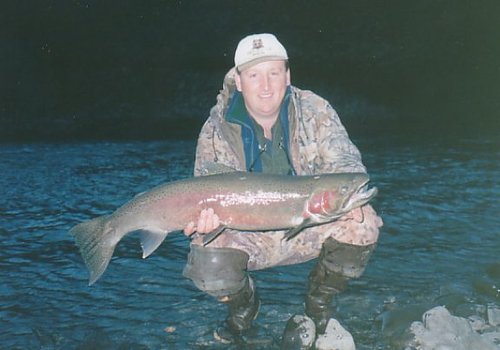
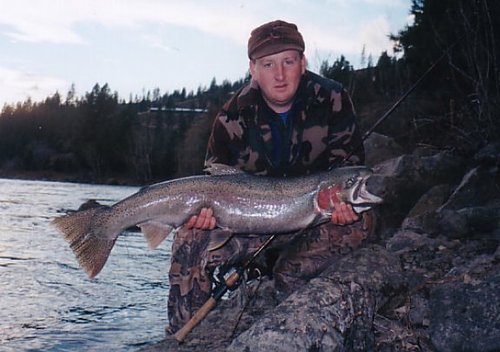
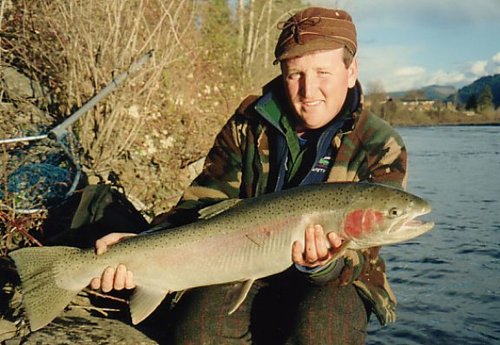
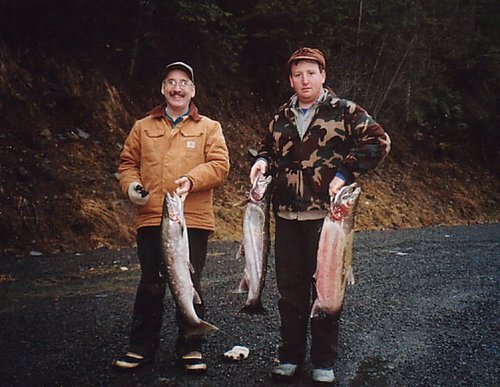
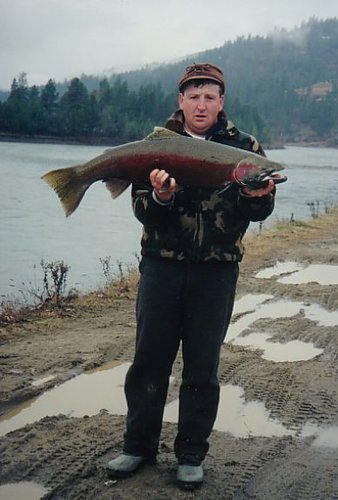
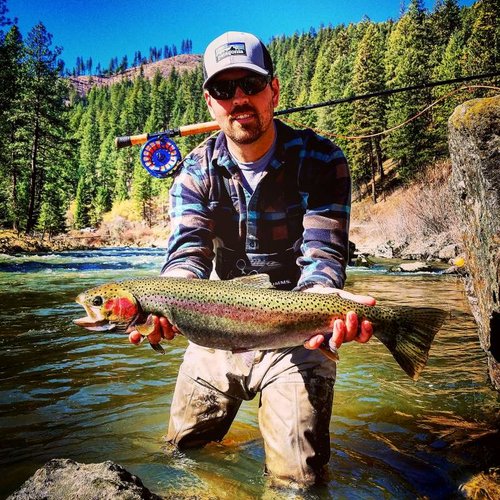
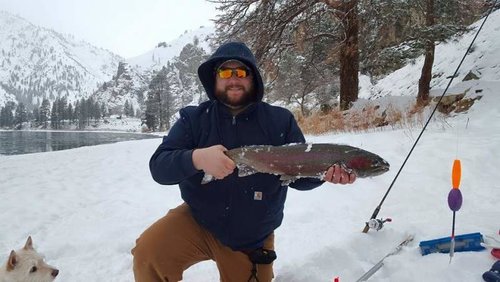
A few pics:
Tools of the trade:
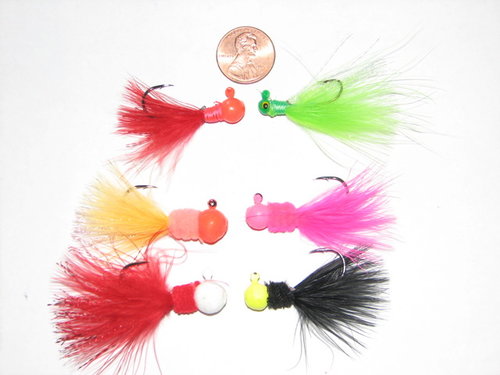
fish: