- Joined
- Aug 4, 2016
- Messages
- 1,984
I got it 13 days before I retired.
I sometimes say it was my retirement gift. Other times I tell people it was bribe money for me to leave.



Follow along with the video below to see how to install our site as a web app on your home screen.
Note: This feature may not be available in some browsers.

I got it 13 days before I retired.
Do you think we all get tariff checks after this winds down so people forget about it?
I now see why we got the $1776 in December. They knew first quarter was going to be busy for us.
Ummmmm… and then there’s men’s and women’s Olympic hockeyOh we would be fine. The States wouldn't know how to fight us. Over the last century they've shown that they can't even beat low end farmers wearing pajamas. I believe they're 0-4. It's also proven we've beat them in every wargame in the last 15 years and now the Finnish reservists have beaten the "All Mighty"


Is Iran lighting their oil wells on fire? That should really make China happy.Here is a is a screen grab from the last 24 hours. It's a NASA satellite that is used to show wildfires. Few things might be burning in the persian gulf https://firms.modaps.eosdis.nasa.gov/map/#d:24hrs;@54.0,27.4,6.8z
View attachment 403269

Yeah, Seahawks fans are the worst!The difference between the US winning and Canadians winning is we shake hands and move on. We’re not sore winners. It’s really sad and kind of pathetic that it’s the only thing you can cheer about


 www.cbsnews.com


Oh we would be fine. The States wouldn't know how to fight us. Over the last century they've shown that they can't even beat low end farmers wearing pajamas. I believe they're 0-4. It's also proven we've beat them in every wargame in the last 15 years and now the Finnish reservists have beaten the "All Mighty"


Oh we would be fine. The States wouldn't know how to fight us. Over the last century they've shown that they can't even beat low end farmers wearing pajamas. I believe they're 0-4. It's also proven we've beat them in every wargame in the last 15 years and now the Finnish reservists have beaten the "All Mighty"
| Category | United States | Canada |
|---|---|---|
| Active military | ~1.3 million | ~68,000 |
| Defense budget | ~$880 billion | ~$30–35 billion |
| Reserve forces | ~800,000 | ~27,000 |

 Bottom line:


And we were worried about nukes!
I don’t know if this linked correctly, but this was a write up I scrolled on and thought it was relevant to the topic at hand.
And you still lost twice to goat farmers with no educationYou just love to double down on looking like a fool.
Just for shits and giggles I asked ChatGPT what a war between US and Canada would look like. This is like a 5 year old shit talking an MMA fighter...
A conventional war between the United States and Canada would be extremely one-sided in favor of the United States. The difference in military scale, industrial capacity, and population is enormous. That said, geography and strategy would influence how the conflict plays out.
Below is a structured comparison.
1. Military Size and Budget
The U.S. defense budget alone is roughly 25–30× larger than Canada’s entire military spending. That translates into far more equipment, personnel, and sustainment capacity.
Category United States Canada Active military ~1.3 million ~68,000 Defense budget ~$880 billion ~$30–35 billion Reserve forces ~800,000 ~27,000
2. Air Power


4
United States
Canada
- ~13,000+ military aircraft across all branches
- Large fleets of F-22, F-35, F-15, bombers, and AWACS
- Massive aerial refueling capability
Result: The U.S. would gain near-total air superiority quickly, which is decisive in modern warfare.
- ~80 aging CF-18 Hornets (being replaced slowly by F-35)
- Very limited tanker and strategic support aircraft
3. Naval Power

4
United States Navy
Royal Canadian Navy
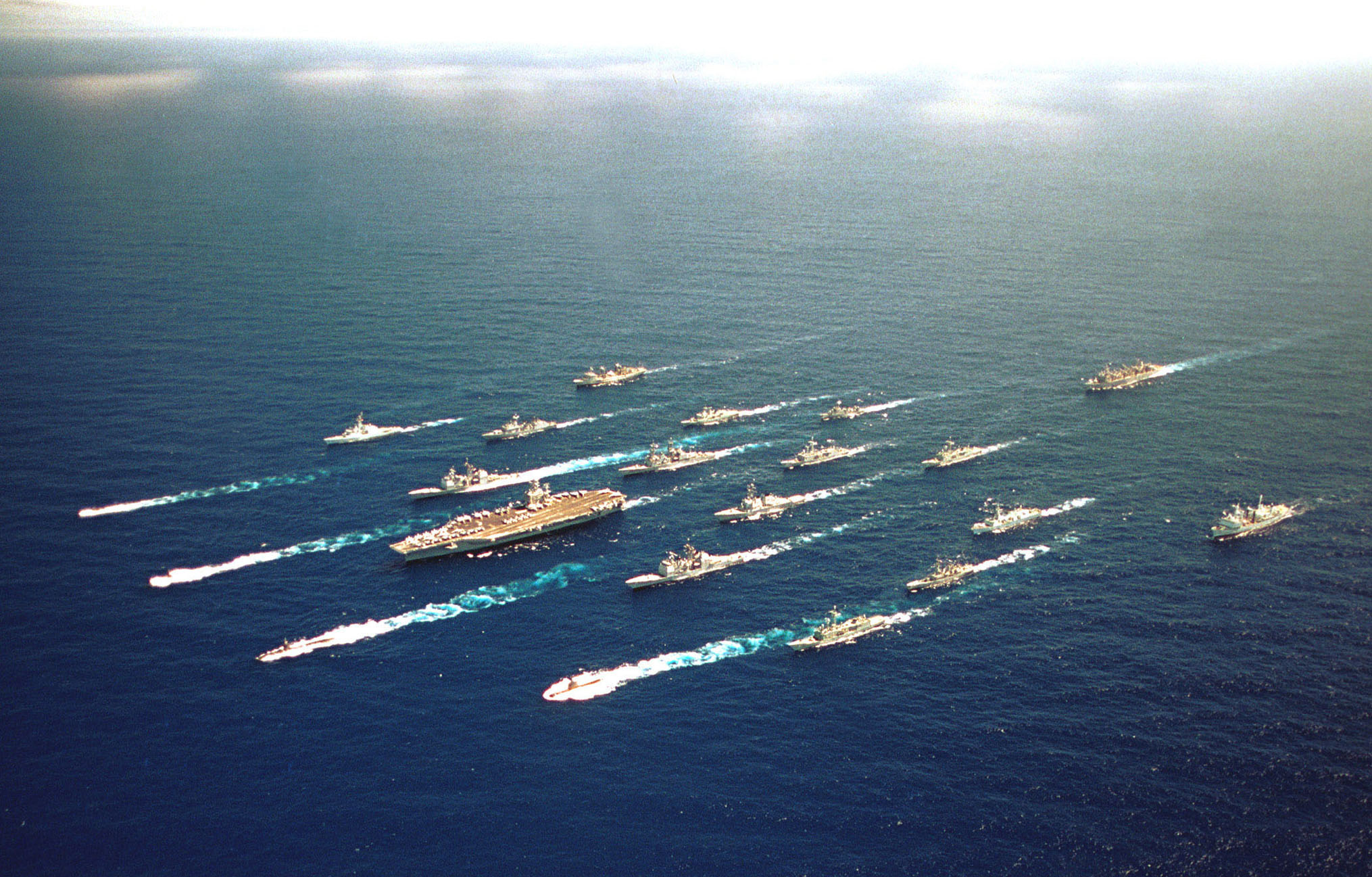
- 11 nuclear aircraft carriers
- ~90 destroyers/cruisers
- ~70 submarines
The U.S. Navy is the largest and most capable in the world, so maritime dominance would occur almost immediately.
- 12 frigates
- 4 diesel submarines
- No aircraft carriers
4. Ground Forces


4
United States
Canada
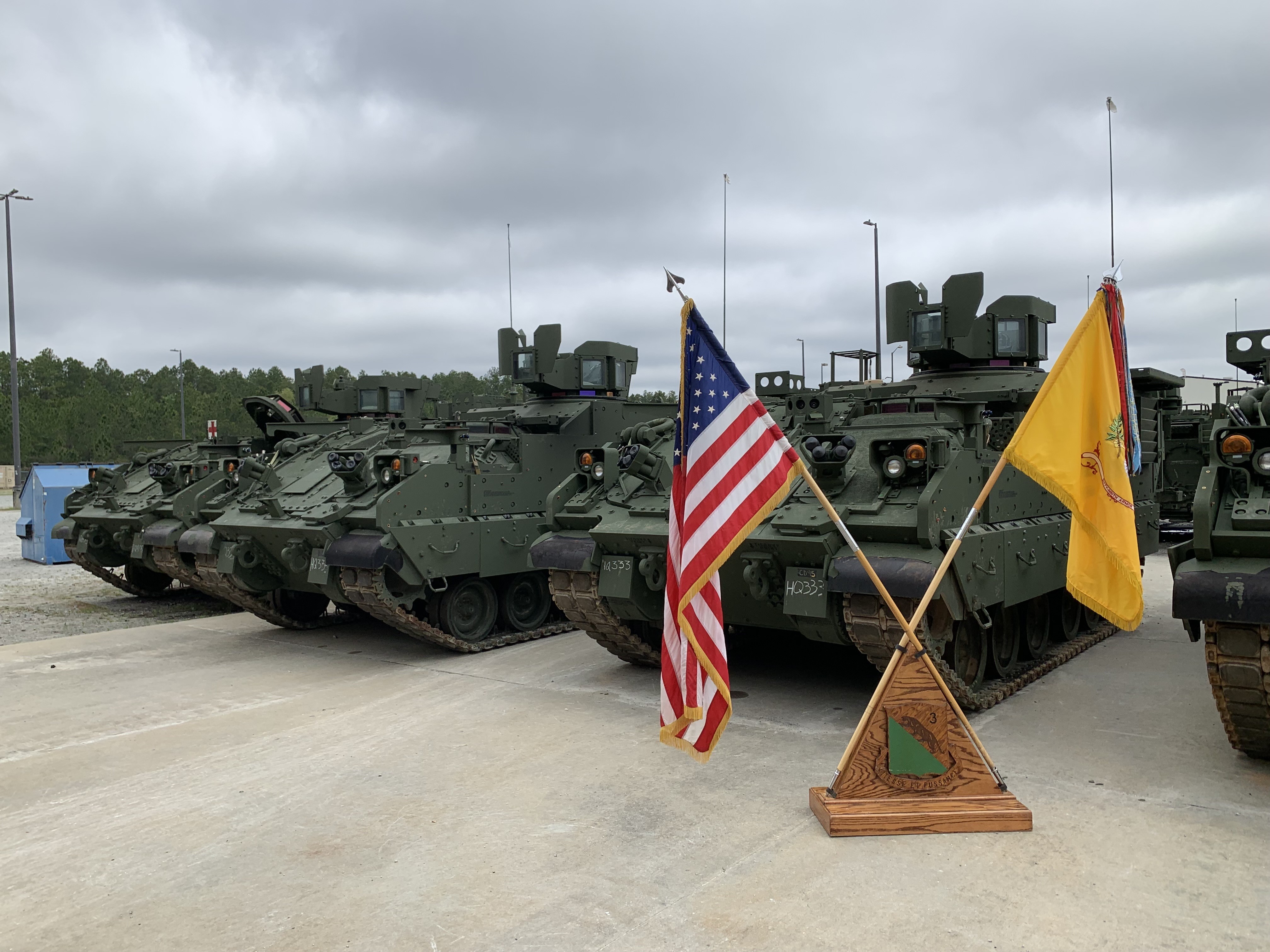
- Thousands of M1A2 Abrams tanks
- Large mechanized divisions
- Massive artillery, logistics, and air support
Canada’s army is designed for NATO expeditionary support, not large-scale homeland defense against a superpower.
- Much smaller army (~23k regular soldiers)
- Few tanks (~80 Leopard 2)
- Highly professional but limited in scale
5. Geography: Canada’s Only Advantage
Canada’s biggest defensive asset would be terrain and scale:
Even so, 90% of Canadians live within ~100 miles of the U.S. border, which is the area most vulnerable to invasion.
- Vast wilderness
- Harsh winters
- Long supply lines
- Difficult northern terrain
6. Nuclear Weapons
The United States possesses thousands of nuclear warheads.
Canada has none.
In reality, nuclear weapons would make a full-scale war between the countries extremely unlikely and catastrophic.
7. Strategic Reality
A war between these two countries is essentially impossible because:
North American Aerospace Defense Command
- Both are NATO allies
- They are deeply integrated economically
- Their militaries already cooperate through NORAD
In fact, the two countries’ air defense systems are literally run together.
In a conventional war, the United States would win decisively due to overwhelming military superiority in every domain (air, sea, land, and logistics).
Canada’s only real leverage would be:
But militarily, the imbalance is simply too large.
- Defensive geography
- Guerrilla-style resistance
- International political pressure
Ever notice no one is really talking about how much this is costing? Iran is sending a $50,000 drone that they can make hundreds of per day. While the US and Arab nations are using multiple missiles that cost 1 million + to shoot down one drone. Those interceptors are also in short supplyAnd we were worried about nukes!
Reporting this morning that if not for literal last minute action by Qatari--NOT U.S.--defenses to shoot down a drone...a US base would have been hit...again.
Does not inspire confidence.

Maybe it's because they were overwhelmed? Isn't the majority of the country occupied by uneducated goat farmers? Eh?And you still lost twice to goat farmers with no education
Look, I would hope this would never come to this with my brothers to the north, but in conventional war Canada gets ran thru. The desolation of most of the country would be very hard to conduct an insurgency out of as well.And you still lost twice to goat farmers with no education