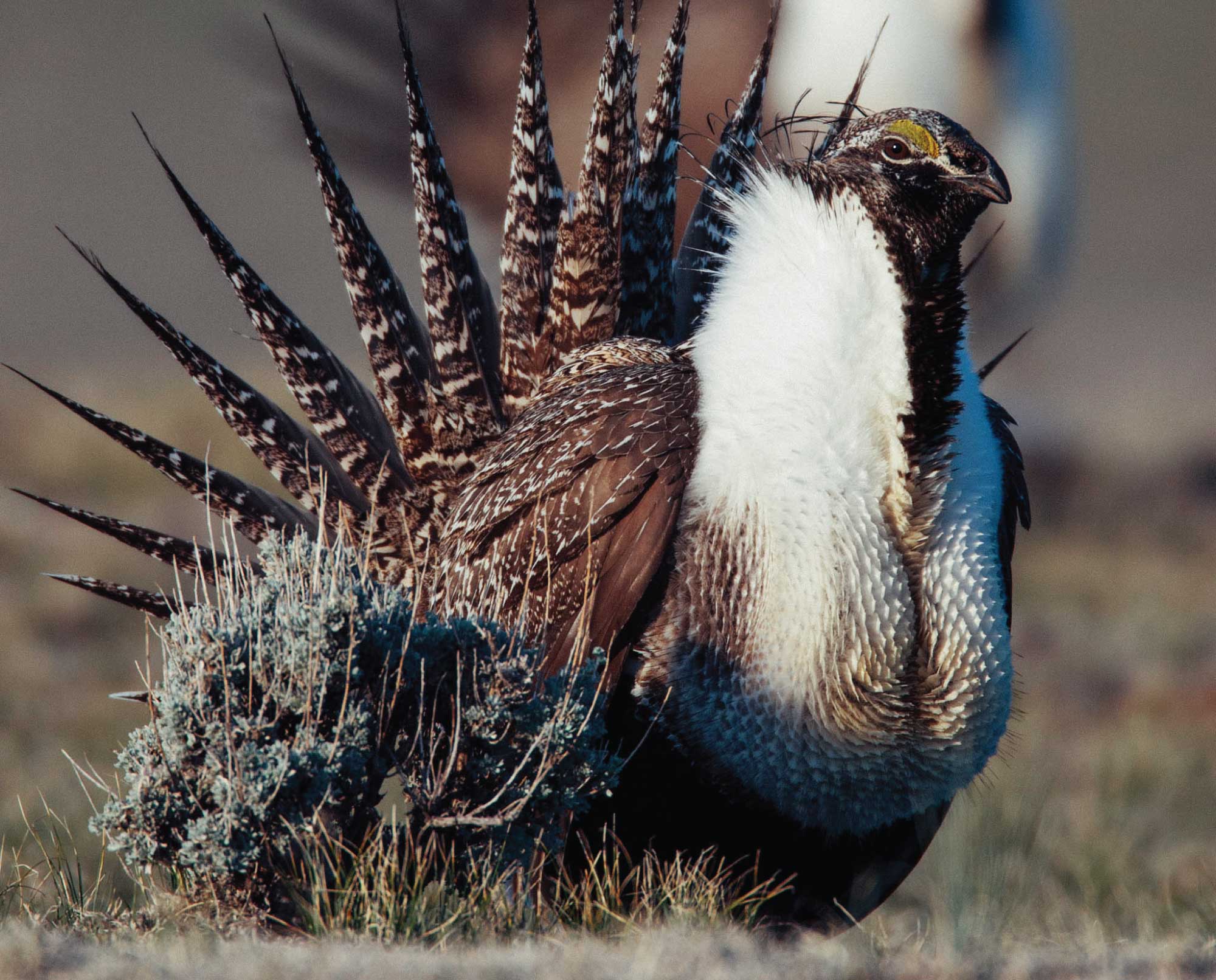
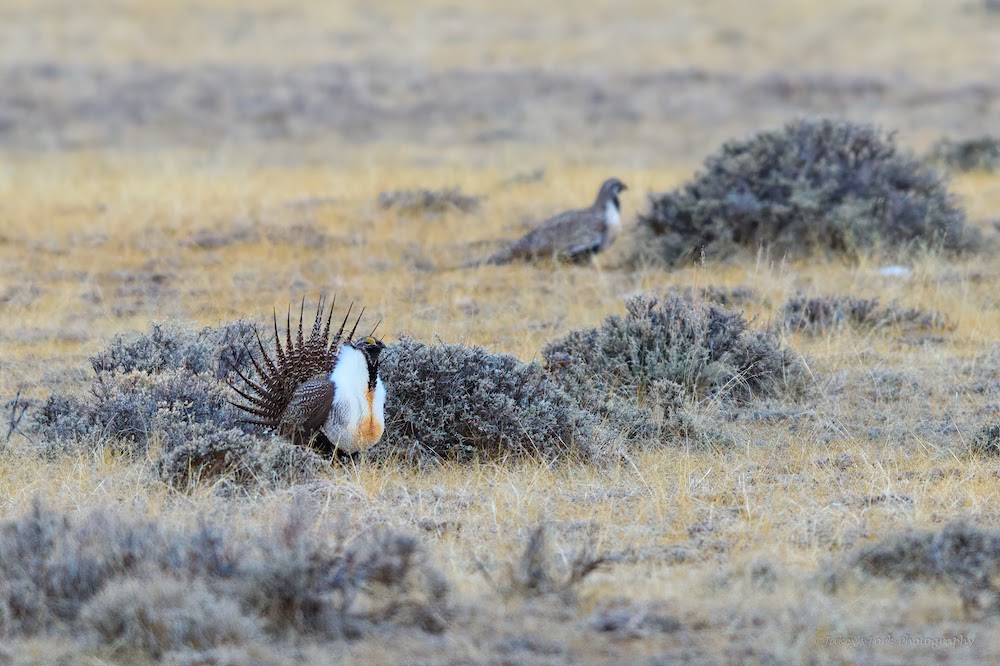
It ain't the Milk until you're a pint of two low. And that's a scientific fact.
As others have mentioned, WNV is a factor, so if you had your magic wand, tell us how to mitigate for it. It becomes much more of an issue with produced water such as standing irrigation water & well waste water.
As for corvids being in greater numbers, that's a fact as well. I remember growing up and never seeing a raven. They were extremely rare outside of towns or dumps. But those animals all flourish on human disturbed habitats. Their ability to adapt is far greater than sage grouse. So the cause of increased corvids is disturbed habitat, and the proper response is to increase habitat restoration rather than trying to kill all of the corvids or anything else that eats a grouse egg. That's essentially like trying to dig a hole in the ocean.
Eric very well could have seen good numbers on occasion. That doesn't mean that the bird is doing well across it's range, or that populations aren't consistently trending down. Some spots I hunt have little habitat disturbance, but their numbers are way down, for example.
UT bird populations are in the tank. WY populations are in the tank, same with ID, CO, WA, OR. TCP has a good explanation of the reports we see. It's from Sept, so a little dated, but their chief scientist is pretty spot on with a lot of this.
https://www.trcp.org/2020/09/11/making-sense-sage-grouse-population-reports/
In the end, it all boils down to habitat. Improving habitat, conserving habitat, designating it as wildlife refuges, ensuring those who denude habitat make it right, etc would do far more to restore grouse populations that the ham-fisted approach of trying to kill ravens & battle mosquitoes.