Utah?Which state has least democrats?



Navigation
Install the app
How to install the app on iOS
Follow along with the video below to see how to install our site as a web app on your home screen.
Note: This feature may not be available in some browsers.
More options

You are using an out of date browser. It may not display this or other websites correctly.
You should upgrade or use an alternative browser.
You should upgrade or use an alternative browser.
Pick a state to become a resident ...
- Thread starter wsking
- Start date
BuzzH
Well-known member
Montana meets my criteria as well.Criteria is relative. And I have lots of them in Montana. Can't complain. mtmuley
D
Deleted member 16864
Guest
I don’t know man, women are in short out west, good chance she’ll leave you for a bait salesman. Better stay where you are, well, if your wife’s good looking anyway.Let's play the hypothetical of being able to work remote and live in any Western state (lower 48) to become a resident in 2024 and beyond.
Would be considering my own hunting as well as opportunities for younger children as they grow up.
Which state would you pick and why?
To clarify, no, I'm not in this situation currently but the wife and I were kicking ideas around on different states we could potentially see ourselves living at in the future.
I told her whichever would be the best for a resident hunter in that state and she wanted to know where that might be.
I'm a non-resident anywhere I apply and have never seen things from the resident side of the equation, so I figured I would throw the question out to get some thoughts.
Appreciate any responses in advance!
I knew that. mtmuleyMontana meets my criteria as well.
HONEYBADGER
Well-known member
- Joined
- Aug 24, 2013
- Messages
- 829
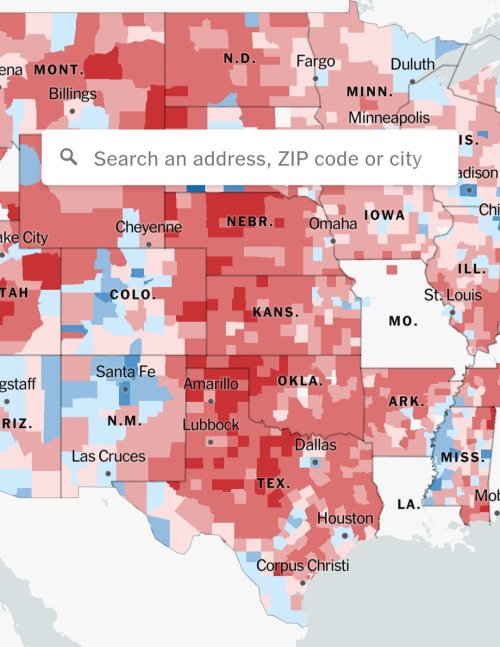
Probably Utah, but its not just the blue voters you should consider, its the large metropolis urban areas that churn them out. Wyoming doesnt have any, Utah has SLC which you can gradually watch slip further and further away year after year. Once SLC goes the way of large cities in California, the rest of Utah will be held hostage by the SLC basin same as everything north of Sacramento is held hostage by the bay area in CaliUtah?
kwyeewyk
Well-known member


duckhunt
Well-known member
South Dakota. Fishing of many species from trout to walleyes and pike to bass and panfish. Occasional antelope tags. Both species of deer regularly, Rare elk tags that are for R only. NR can't even apply. R only get to archery hunt deer in Sept on public land, NR can't till Oct. 1. Lots of bird hunting species and goofy laws that favor R for those as well. Their NR laws piss me off, but I still hope to move there in retirement. Also, no state income tax and the hottest governor in the country (probably).
My first choice is the driftless region in North east Iowa but I'm giving some serious consideration to the black hills area for retirement.

Boarmaster
Well-known member
I might like Idaho.

noharleyyet
Well-known member
@BuzzH I thought you were moving to a Province in the Southern Hemispheric Baja of Texas?
I’m from New Mexico and unfortunately that place has declined horribly over the years. Went to Colorado after my divorce which was gorgeous but cost of living and wages don’t equate, as well as the political scene is quite off. Moved to southern Idaho a year ago and it’s pretty nice so far. Trying to figure out new shed hunting grounds but it’s been challenging so far!

dan.kirkpatrick
Well-known member
south west wyoming when i retire if i can talk the wife into it,,lol,,certainly better than western oregon where ive been my whole life,{with the exception of wyoming winters being rougher}that would be a better central location to base my out of state hunts in and also wyomings a good big game state to start with}.

mukbowhunt
Active member
- Joined
- May 24, 2016
- Messages
- 87
If strictly for hunting it has to be Wyoming.

Hawk Tuah
Well-known member
- Joined
- Apr 6, 2018
- Messages
- 1,871
Wyoming is the only choice.

FairWeather
Well-known member
I wouldn’t move away from Oregon. Mountains, coast, rivers, desert; we’ve got it all.
With otc tags for everything I care to hunt in the fall, and ample public land, there’s not really any hunting related factors that would make me want to leave.
With otc tags for everything I care to hunt in the fall, and ample public land, there’s not really any hunting related factors that would make me want to leave.


LopeHunter
Well-known member
Strongly disagree. You can take classes remote from a relative’s basement if all you expect from college are the technical lessons for math, engineering, computer science, etc. Step on campus, though, and you are surrounded by people, labs, activities and responsibilities.there is zero difference even at the ivy/elite level.
the solution to the differential equation is the same at colo school of mines, wyoming, colo state, front range community, cal tech, and MIT.
it's just the differing levels of prestige and connections that change prospects.
The text books may be the same but the lab equipment can be vastly different for science classes. The quality of student sitting to your left and right in a classroom will absolutely on average vary as a school is more competitive to enroll/be accepted.
Employers with desirable job openings may only recruit from certain schools which have a track record for quality graduates. Sure, those graduates were likely outstanding freshmen four years prior which was a huge factor but you can’t fault employers for focusing where the better candidates are massed for easy recruiting. We all fish where the best fishing is expected.
My advice to parents is to understand what you want for your offspring as they enter their teens. Personality is apparent as hormones kick in. Academic strength is also becoming apparent.
Some careers do not need any type of college. Skip the multiple years of a college classroom and get going on that career such as plumbing, car tech, landscaping, big game guiding, painting houses, military, carpentry, writing a novel, etc.
If your young adult is good at learning and testing with a strong interest in college then it absolutely matters with the more technical degrees. I suggest seeking the best program available.
If a non-technical degree is not much use on its own such as pre-law or psychology then the quality of the undergrad institution will still impact where can be accepted to get the law degree or PhD. Your letters of recommendations from a lesser school will typically lack the impact of a school with a strong program.
If the interest is to earn a non-technical degree and no plans for post-undergraduate education then a local college or online studies should be considered as a way to keep costs down which can be a burden when graduating with a degree which is not always linked to open jobs that pay enough to service the debt incurred.
I attended a public university for undergrad which was the biggest in my state and I graduated in top 2% of class from a program ranked 6th in the nation. I graduated in a recession yet had multiple job offers before began my last semester. Students that had different majors and lower grade points were hustling to find sales commission jobs. Was brutal.
My uncle hired for an engineering firm. During recessions there would only be a handful of openings but even more applicants. How did he funnel down 1500 resumes for 5 openings back in the 1960s and 70s? He first pitched resumes where he did not know their football team mascot. He pitched certain names because of run-in’s in the past so no Ernest’s or Phil’s or Gertrude’s made the cut. He would then make a pile of those from strong engineering schools and skim those first then if still felt needed more candidates the skimmed the other pile of resumes. I told him he was a moron for being petty and his response was he saved time and had a strong track record for making good hires. He then added he would put a candidate or two in the interview pile if a buddy or teacher from his college or his career connections asked for the favor. So, school can matter and you never know how fickle or fair the process will be that passes on a great potential candidate for a petty reason such as choice of school.
I also attended a public grad school after a few years more of work experience. Very competitive process to be accepted with essays, interviews, standardized tests and recommendations. Remember, I excelled in academics at all prior levels. Well, I got pushed every class in grad school as those cats were sharp and driven. 1 in 6 were foreign nationals. Students represented 43 U.S. states and over 80 colleges. I was middle of the pack at graduation but since had prior work history with two respected companies and my grad program was 10th in the nation…there were job offers.
Both my undergrad and grad school had football games to go to, concerts by popular bands, guest speakers, impromptu discussions walking between classes and protests. I could not simply run home to family to get clothes washed each weekend as an undergrad. The umbilical cord was cut. No one asking if I did my homework or could wait at the door to yell at me that I was partying too much. Sink or swim. Plenty of students sank. Society does not always applaud those who step in the arena and get punched out. Those that swam had personal growth and improved confidence.
College costs have risen much faster than wages since I graduated over three decades ago. Heck, has even done so since my offspring graduated.
I mandated my offspring continue learning beyond high school but could be college or military or plumbing or chef school. They all choose college so our deal was I paid 100% so they exited college not owing anyone a penny but they had to minor or major in a business degree of some sort. They also had to do one or more semesters abroad. They agreed. I wanted them to have exposure to understanding financial budgets and be comfortable with business topics which a minor or major would achieve. I wanted them to live abroad a few months minimum and use their Spanish they had studied since 5th grade.
Nothing magical about my approach to offsprings though worked for us and am retired in my early 60s and my offside are now in their 40s with careers and families.
LopeHunter
Well-known member
More on the path out of childhood.
I pushed my offspring to manage money before were teens. Money they earned or were gifted was gathered up at age twelve and invested in stocks in their names. Any W2 earnings were matched 100% into a Roth IRA I funded. Wow, they were looking for ways to get paid above the table by employers. They researched stocks and purchases/sales were approved. They would see stocks go up and down then up again, etc. Dividends were reinvested. Eventually shifted to stock indexes. At 20, there accounts were put solely into their names.
I reimbursed college expenses which they paid from a checking and savings account in each of their names. Expenses to be reimbursed were any item needed for college including books, clothes, tuition, haircuts and food plus any activity on campus such as football or concert tickets plus they got $150 monthly allowance to spend any way they desired. They also got a credit card with a small limit for emergencies. They turned in receipts and I would replenish the accounts. We did this for Year 1.
Year 2, I gave them a lump amount into the savings account for what I projected they needed for the first semester. Any unusual, non-recurring item which arose would be discussed and generally an adjustment made. Any surplus was theirs to keep. Wow, they got frugal.
Same thing for a lump amount for the next semester.
Year 3 was a lump for the entire year and an old beater car and those related expenses as they were moving out of the dorms. Same for Year 4. One offspring had a Year 5 as decided he wanted to be a doctor so another lump on Day 1. He paid for his medical school with loans.
I tell people that one of my brothers would have sank with a lump sum of $20,000 dropped into his bank account as a teenager. He needed guardrails into his mid-20s.
I had watched my offspring as dealt with earning, saving and investing money for multiple years so the only difference in $200 vs $20,000 to them were some zeros. It was not a life-altering amount for them to abscond and head off on a bender and they knew this, too. Was a meaningful amount of my net worth, though. The money was needed to use to reach a goal. Their goal. Their motivation. Sink or swim but a safety net existed if they failed out of undergrad or needed to take a year off to get back on track. That is not the norm.
My wife’s family gave her all sorts of encouragement to do well in undergrad though financially the support was almost zero for college. No safety net. No rich Aunt Clara. At 18 she had to solve the riddle of how to get a degree or do something else. She had worked since age 16 in a department store 20-49 hours a week. In college, she worked 20-30 hours a week during school sessions and 40-60 during summers. She had to drop a class now and then to balance school and work so took five years to complete four years of college. Graduated with debt though had earned a technical degree in demand so had multiple job offers during a recession. Worked side gigs to pay down the debt sooner. No debt left 40 months after graduated.
She definitely ended up more driven than me and a better time-manager. I think she was somewhat that way as a little girl based on discussions with her parents but her working and attending university while studying engineering at a top 10 school was a grinder. She swam rather than sank.
We got to the same place over time with similar career earnings and career contentment and achievement. None of our parents graduated college. Not sure if my wife I got lucky or what but we will never be a burden for our offspring even with using a chunk of our assets during their school years to pay for their schooling. They seem like will never be a burden for us.
We are blessed and not everyone has the options I had and the offspring had. We were all “good” students and not prone to doing dumb things after midnight. I am glad I had options ant 18 and they had options at 18 plus the nudges, guidance and role models as were deciding on what to do beyond high school. Many of my friends had a much different path beyond high school. Most of us ended up happy, though.
I pushed my offspring to manage money before were teens. Money they earned or were gifted was gathered up at age twelve and invested in stocks in their names. Any W2 earnings were matched 100% into a Roth IRA I funded. Wow, they were looking for ways to get paid above the table by employers. They researched stocks and purchases/sales were approved. They would see stocks go up and down then up again, etc. Dividends were reinvested. Eventually shifted to stock indexes. At 20, there accounts were put solely into their names.
I reimbursed college expenses which they paid from a checking and savings account in each of their names. Expenses to be reimbursed were any item needed for college including books, clothes, tuition, haircuts and food plus any activity on campus such as football or concert tickets plus they got $150 monthly allowance to spend any way they desired. They also got a credit card with a small limit for emergencies. They turned in receipts and I would replenish the accounts. We did this for Year 1.
Year 2, I gave them a lump amount into the savings account for what I projected they needed for the first semester. Any unusual, non-recurring item which arose would be discussed and generally an adjustment made. Any surplus was theirs to keep. Wow, they got frugal.
Same thing for a lump amount for the next semester.
Year 3 was a lump for the entire year and an old beater car and those related expenses as they were moving out of the dorms. Same for Year 4. One offspring had a Year 5 as decided he wanted to be a doctor so another lump on Day 1. He paid for his medical school with loans.
I tell people that one of my brothers would have sank with a lump sum of $20,000 dropped into his bank account as a teenager. He needed guardrails into his mid-20s.
I had watched my offspring as dealt with earning, saving and investing money for multiple years so the only difference in $200 vs $20,000 to them were some zeros. It was not a life-altering amount for them to abscond and head off on a bender and they knew this, too. Was a meaningful amount of my net worth, though. The money was needed to use to reach a goal. Their goal. Their motivation. Sink or swim but a safety net existed if they failed out of undergrad or needed to take a year off to get back on track. That is not the norm.
My wife’s family gave her all sorts of encouragement to do well in undergrad though financially the support was almost zero for college. No safety net. No rich Aunt Clara. At 18 she had to solve the riddle of how to get a degree or do something else. She had worked since age 16 in a department store 20-49 hours a week. In college, she worked 20-30 hours a week during school sessions and 40-60 during summers. She had to drop a class now and then to balance school and work so took five years to complete four years of college. Graduated with debt though had earned a technical degree in demand so had multiple job offers during a recession. Worked side gigs to pay down the debt sooner. No debt left 40 months after graduated.
She definitely ended up more driven than me and a better time-manager. I think she was somewhat that way as a little girl based on discussions with her parents but her working and attending university while studying engineering at a top 10 school was a grinder. She swam rather than sank.
We got to the same place over time with similar career earnings and career contentment and achievement. None of our parents graduated college. Not sure if my wife I got lucky or what but we will never be a burden for our offspring even with using a chunk of our assets during their school years to pay for their schooling. They seem like will never be a burden for us.
We are blessed and not everyone has the options I had and the offspring had. We were all “good” students and not prone to doing dumb things after midnight. I am glad I had options ant 18 and they had options at 18 plus the nudges, guidance and role models as were deciding on what to do beyond high school. Many of my friends had a much different path beyond high school. Most of us ended up happy, though.

Sytes
Well-known member
I watched Yellowstone. Gonna move to Montana!
I hate the way my State has turned to crap! Though I plan to bring my crappy politics with me!
I hate the way my State has turned to crap! Though I plan to bring my crappy politics with me!
Similar threads
- Replies
- 142
- Views
- 4K


- Replies
- 12
- Views
- 1K