I've always considered myself well versed in the western drawing processes. Maybe I am wrong to be confused when this bill is promoted based on the sponsor saying Montana's non-resident draw for the B-10/B-11 tags is a lottery. Or when many of the proponents claimed they have no predictability of who will draw and when.
Not sure I understand how a true preference point system is a lottery. A lottery is random and unpredictable. A preference point system is designed to remove the randomness and make it entirely predictable.
Through 2018, MT non-resident draw odds were 100% at all point levels. In 2019, everyone at 1+ point drew. In 2020, everyone at 2+ drew. And as a bonus, two-thirds of the those with less than 2 points drew in the second draw for returned tags. See below:
View attachment 172689
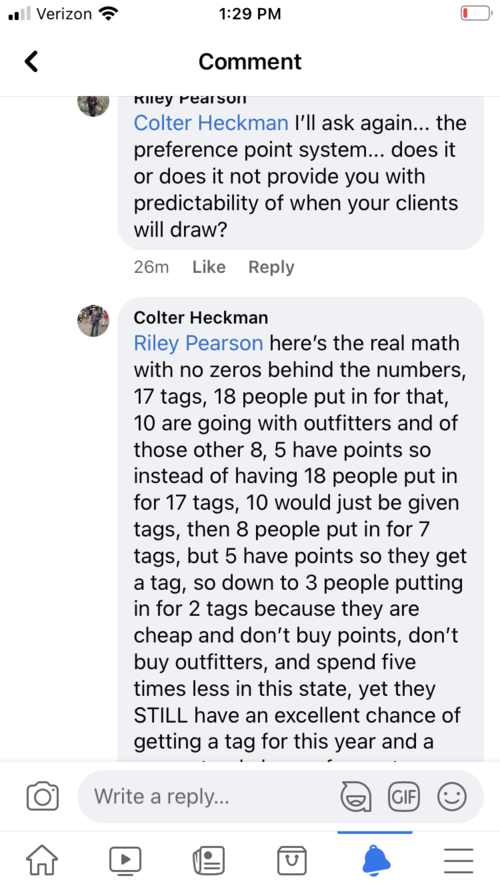
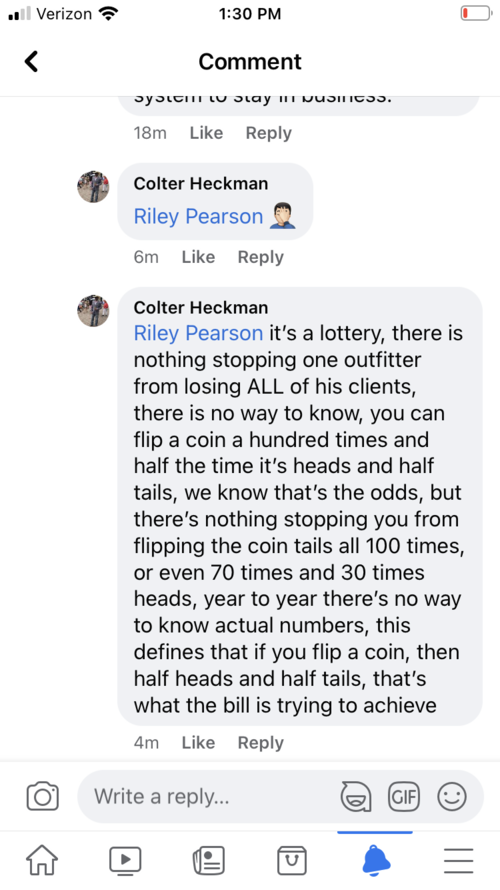
Only way that someone doesn't know if a client will draw is if they are ignoring the data and ignorant of how preference point systems work. It is not rocket science, it's not even fractions for long division. It requires being able to count to two (2).
It seem that if you want to book your clients, you work with client with enough points and you know they will draw. That is how PP systems are designed. There is nothing random about that. It is not a lottery, in spite of what this bill sponsor and some proponents testified.
Are outfitters not aware of how a preference point system works?
Or, are they just working with any client at any point level and now they are upset that only two-thirds of non-residents below that point level end up with a bonus by drawing a tag in the reallocation of returned tags?
The Wyoming outfitters have been dealing with non-resident preference point systems for 15 years. It works well for them. They must know how draw systems work. It is completely predictable based on point levels required to draw. And they don't even have the bonus of reallocating a ton of returned tags to the lower point holders.
Wyoming outfitters work with clients to make sure they are building points. If the client is a point short, they work with them to get another point and they will draw the following year. If the client is two points short, they work with them to keep building points and know they have a predictable client two years from now.
Maybe someone can explain the comments at the hearing that the MT draw is somehow a "lottery," when it is really a highly predictable process if one uses the information that is right in front of us.
Or, how is it that Wyoming outfitter like a preference point system and they use it to provide predictability and stability to their businesses; not just for this year, but for years ahead for clients they are helping build points?
Interested in comments as to how other outfitters in other states with non-resident preference point systems prosper, but in Montana that same system is so bad for outfitters that they think the legislature should overturn a ballot initiative passed by the citizens.






 . I've never in my life seen such a mess. I feel for you resident hunters dealing with this crap yearly.