I hate to say but this does bring up a Germane issue to the topic.
Should resident fees be geared to the lowest common denominator. That seems to be a prevailing attitude when it comes to resident game license prices, and hence puts pressure on make up the short falls.
Maybe cost should be more market driven so that our wildlife resources arent being held back because we turned wildlife management into a social welfare program.
If we want to set up programs to help lower income people buy licencses let set that up separately instead of lowering the baseline and hurting our resources
I really struggle with this premise. Wildlife trusts are not intended to be a revenue maximizer (is that a term?). When we view them as such, then we have directly violated the NAM by making wildlife more accessible to the affluent members of society. Setting up a program to help the less affluent afford licenses just introduces another layer of complexity that really doesn't solve anything.
In my ideal world, funding wildlife and resource management wouldn't fall solely on hunters and anglers. As I stated earlier, many businesses and industries benefit from healthy natural resources. It increases quality of living and allows industries to attract more qualified applicants. It benefits the services industry. It benefits the outdoor equipment industry, and so on.
The city/county I live in has been rather aggressive in its approach to outdoor recreation and access development, and as such has really upped the appeal of living here. The county conservation department just enrolled a recent purchase into a public hunting program. The parking lot in November will be 95% Subarus with racks on top, but the mountain whitetail hunting is fantastic.
Where am I going with this? The benefit is there, on a myriad of levels. So why aren't we as a society all chipping in a little more to fund conservation, wildlife and fisheries management, and access programs? Why is it just the hunters? And why in some states does that burden fall so heavily on NR hunters?
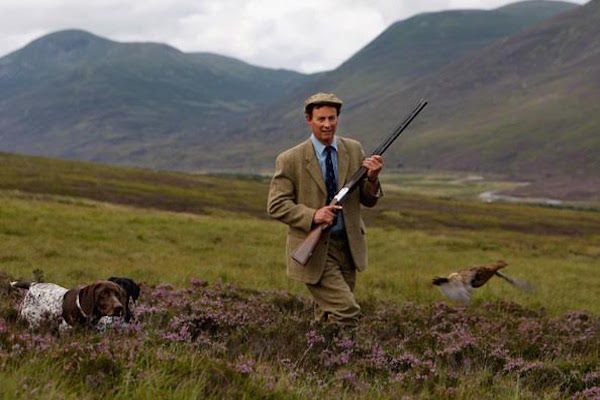
The funding system is antiquated, and is trending hunting directly to a white collar sport (see
@brocksw's link). When hunting becomes solely white collar, our NAM is broken and the blue collar folks become increasingly disenfranchised from the system and the resource.
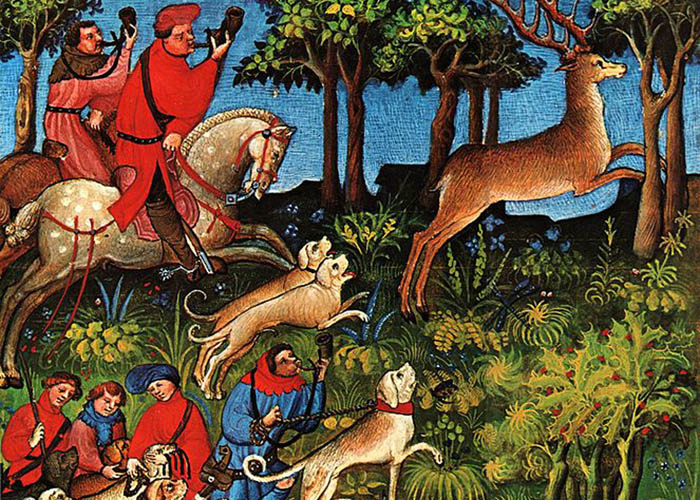
Basing access to resources on a capitalistic model directly alienates a huge portion of the population base the public trust doctrine was intended to serve.




 www.gunsamerica.com
 iuwest.wordpress.com