Uncle Sam owns nearly half of the land west of the Rockies, and GOP lawmakers want to give states and businesses a tiny piece of the action. Selling a small amount of federal land would raise revenue and spur development, so why are some Republicans trying to protect the government’s hoard?
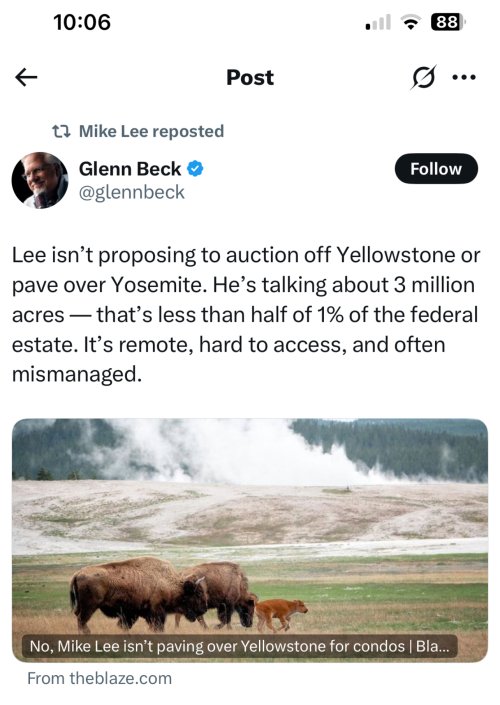
The Senate Energy and Natural Resources Committee announced a plan last week to sell public land as part of the GOP’s reconciliation bill. The proposal designates about 258 million acres of land—40% of federal holdings—as potentially available for sale. It directs the Forest Service and Bureau of Land Management to sell up to 3.3 million acres from these designated zones.
The areas up for sale would exclude land with dedicated uses such as national parks and monuments, and land previously leased for mining, energy production and other activities. The plan directs federal agencies to prioritize selling land that is near existing roads or suitable for home-building. Agencies would consult governors before auctioning land in their states, and state and local governments would have the right to make an offer before private bidders.
The selloffs would put unused resources in the hands of owners who commit to invest. The available land includes areas that are sometimes used for cattle grazing, but ranchers and other users would have ample time to comment before these parcels are sold. The sales would also raise money to offset tax cuts in the rest of the bill.
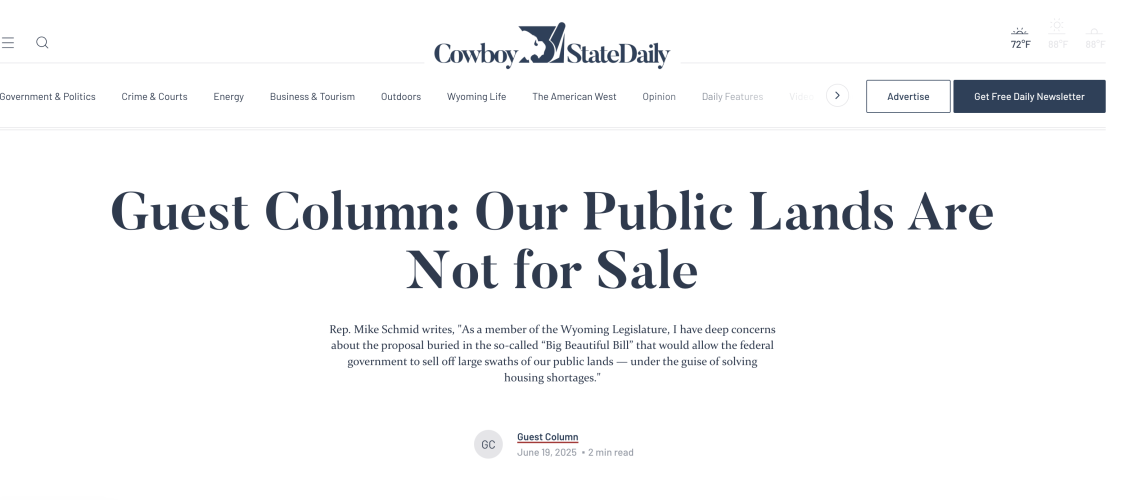
But some in Congress want to save every acre of Uncle Sam’s estate. The House originally included a smaller version of the land sale in its bill until a handful of Members opposed it, led by Montana Rep. Ryan Zinke. “Once the land is sold, we will never get it back. God isn’t creating more land,” says Mr. Zinke, who ran the Interior Department in President Trump’s first term. He says the sales would harm the environment with little upside.
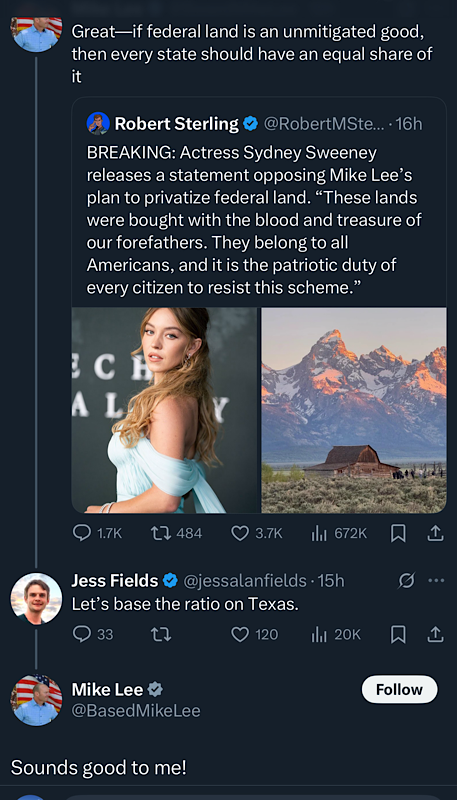
Yet the government is typically a poor steward of the land it holds. The Forest Service has skipped or delayed controlled burns that thin out overgrown areas susceptible to wild fires. Farmers and ranchers are often blocked from expanding into large unoccupied areas they could put to good use. And there’s no limit to Congress’s power to make parks out of the most pristine areas, as Sen. Mike Lee has argued.
Senators have set a good marker by restoring the land sale to the bill and broadening its scope. Transferring a sliver of federal land into private hands is the least Congress can do to better share the country’s treasure.