A recap of the Sept. 7 Region 3 meeting as I remember it.
Due to work, I missed the first 45 minutes. Apparently this was not BYOB because I saw folks with beverages in hand even though I missed out on the Sammichs. I take back my earlier negative comments on leaving bad Yelp reviews about the food and drink.

When I arrived at 5:45 the topic was wolves. The general conversation from a well defined segment of the crowd is that FWP and the commission didn’t listen to the social sentiments expressed during the public comment session. It was the same old “ all the little wolfies are gonna get kilt” in various forms.
You could see the relief on the directors face when the topic switched to elk management. General sentiment was that the Commission completely ignored popular sentiment with expansion of shoulder seasons. FWP personnel did not defend the expansion but essentially said that the Commission did so because they could and they wanted to try something different to see if it would work.
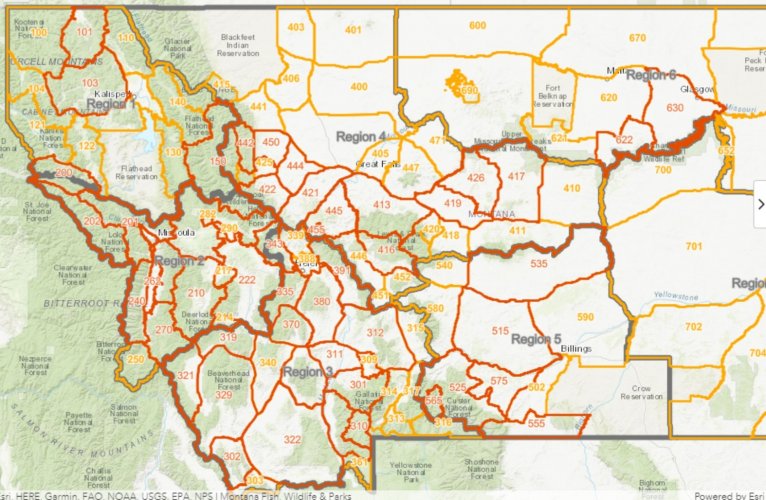
I asked if FWP had any data to measure the effectiveness of shoulder seasons? Who was it that included 314 in the expansion onto public land? Had there been consideration of snowmobiles being used during the late muzzleloader season?
Unfortunately during my questioning I think I asked too many questions because the answer about data supporting the effects of shoulder seasons was overlooked during the director’s response. I don’t think it was necessarily intentional but there wasn’t any reference to studies or data that we can study to determine whether shoulder seasons are effective or not. I think this is a good question that it would be helpful for other people to ask in other meetings.
There were questions regarding stream flows and water rights. It was explained that in many cases FWP’s water rights are junior to older rights and they made the decision not to call any water rights on rivers that they didn’t actually have a senior right to and that would be defensible.
The director was asked about his stance on the recent lawsuit regarding crossbows for the handicapped in archery season. His response was that during the lawsuit he had been unable to comment, but now that it was settled, he was adamantly opposed to allowing crossbows during archery season.
There were a few more attempts at regenerating the wolf conversation but FWP personnel and most of the crowd made it obvious that topic had been beat to death and was settled for the time being.
The meeting changed from a formal question and answer session to an informal discussion between individual FWP personnel and the public @ 7:15 or so. Most people left soon afterwards but I was actually very favorably impressed by Director Worsech and Deputy Director Temple’s accessibility and willingness to talk afterwards.
Several of us stayed until about 9 pm discussing various issues, many that we have talked about here on Hunttalk.
I actually came away with the feeling that FWP is open and welcoming to ideas that might help them ease some of the conflict areas @ wildlife management.
I came away with more understanding of the realization that hunters must be active on two fronts. We need to engage FWP personnel to advocate for our interests during the processes they are in charge of and we need to be politically active in lobbying our legislators and holding them accountable for the bills they are pushing through. I got a sense that FWP is also frustrated about some of the legislation they have to implement by law that is imposed by the legislature.
I am more convinced than ever that we need to organize to make the impact of our voices more compelling to those who set the policies that affect wildlife management. If we provide solutions, we get to help determine the future of the health of Montana’s wildlife.
If we stay silent and disengaged, that future will be determined by lobbies with goals that do not align with our interests as hunters.