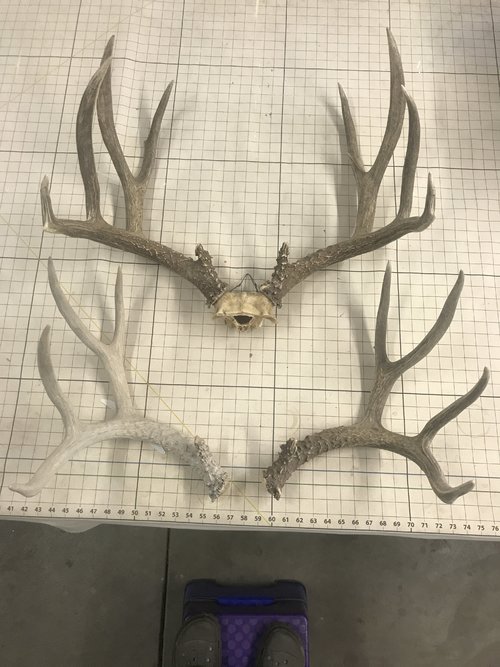
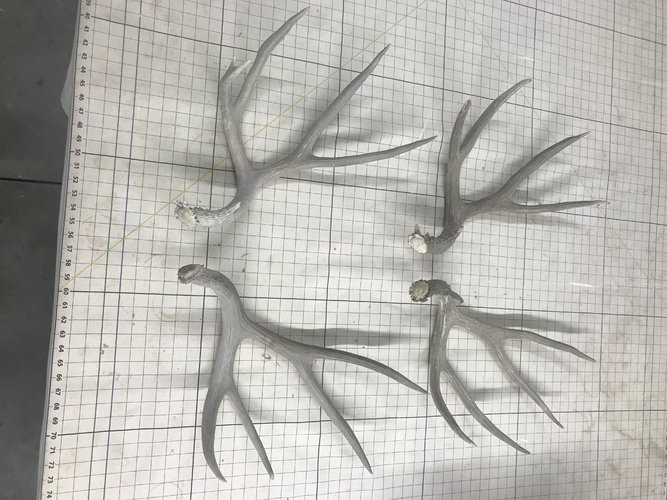
This is long, there's a pic at the end for the impatient.
I've thought about this quite a bit from a biological standpoint, talked to quite a few people about it. I did a big annotated bibliography years ago in grad school that covered over 100 publications on antler formation, morphology, and function. I am far from an expert, I've just looked into it some. There are a few things I feel like there is a preponderance of evidence on, others not so much.
For instance, I buy that the nutrition of the mother doe while buck X is in utero (great Nirvana album btw) matters a bunch for the potential antler size of buck X. Relatedly, I can believe that habitat quality matters big time...the Monteith whitetail study gets cited a lot. They did a swap of whitetails from known "big buck" country and "small buck" country; the bucks from "small buck" country grew big antlers when they were in big buck habitat. If I recall there was no statistically significant difference in antler size when habitat differences were accounted for by the swap. That said, I am skeptical about how widely that can be applied.
We know that genetics set the morphological sideboards for what antlers (and any other physical characteristics) will look like. Nutrition is a substantial factor that would influence an animal's ability to achieve a given expression of those characteristics, but there is a lot more to it. For example, if buck X and buck Y are both putting on adequate fat reserves, does the native level of Mg, P, Ca, in forage a factor into why one might express greater antler growth than the other? What role does selective harvest play in some units with very high or very low hunter pressure? Almost all antler research with controllable variables has been conducted on whitetail deer in the midwest and Texas or on reindeer; are we assuming too much about the extent to which principles can be applied across cervid species? How about nutrition and management for migratory vs non-migratory mule deer herds?
Anyway, I don't think that buck has been or would be a 150" deer. Could definitely be wrong. The oldest deer I've killed (based on tooth wear only) were tanks and had long square faces. I feel pretty confident watching one saunter around on a hill that I can tell between youngish and oldish -- young dinks obvious and excluded -- even with roughly comparably scoring antlers, but that's about it. I don't think most of the better scoring bucks I've killed are what I'd consider old.
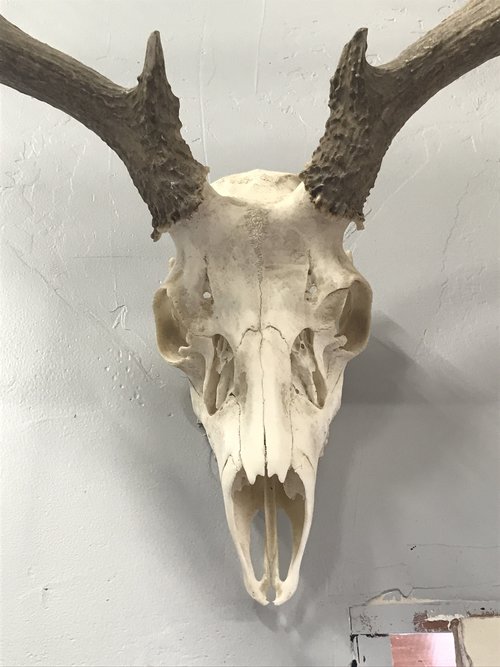
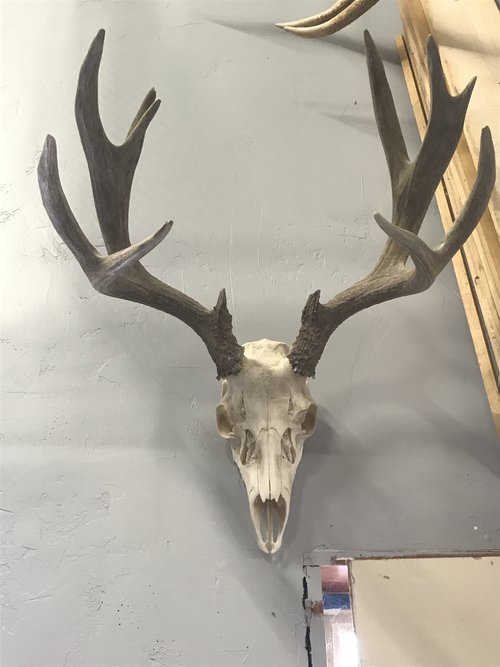
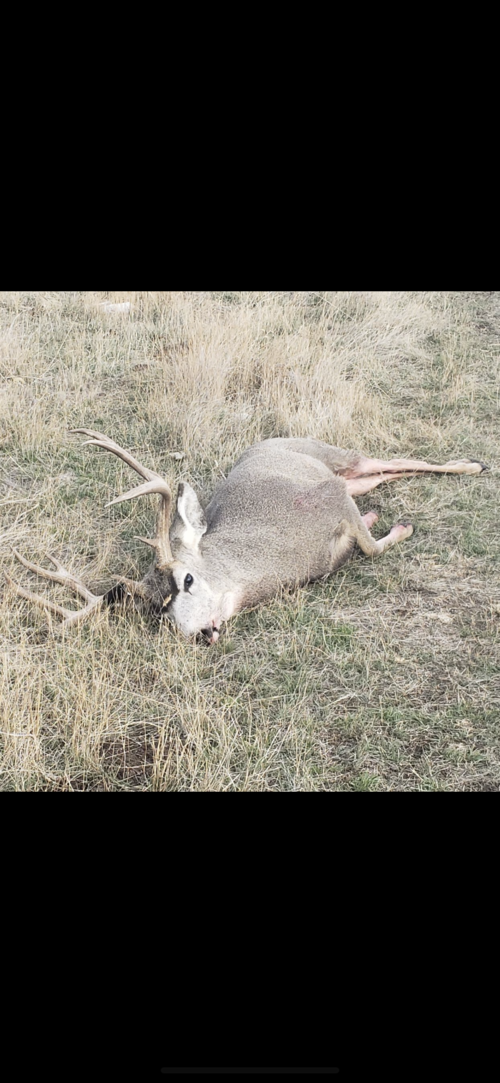
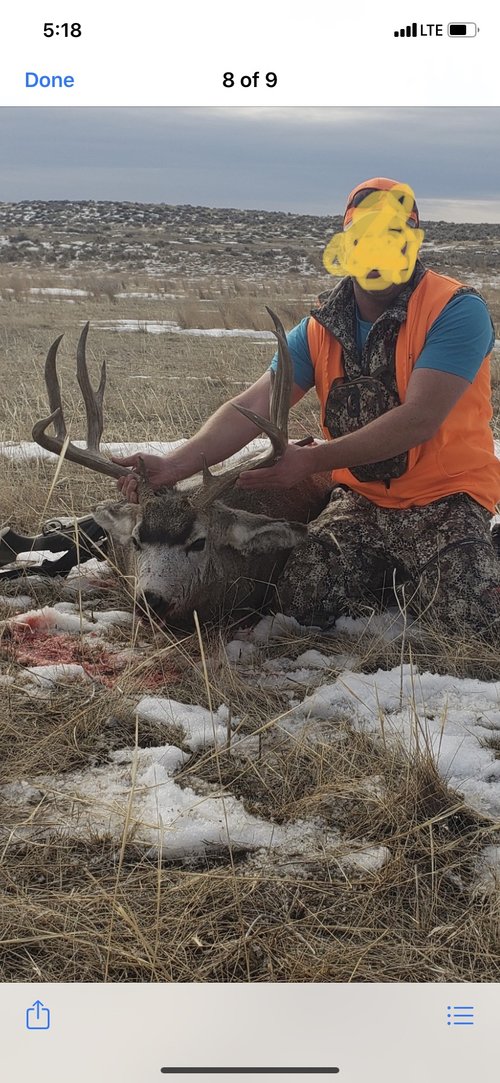
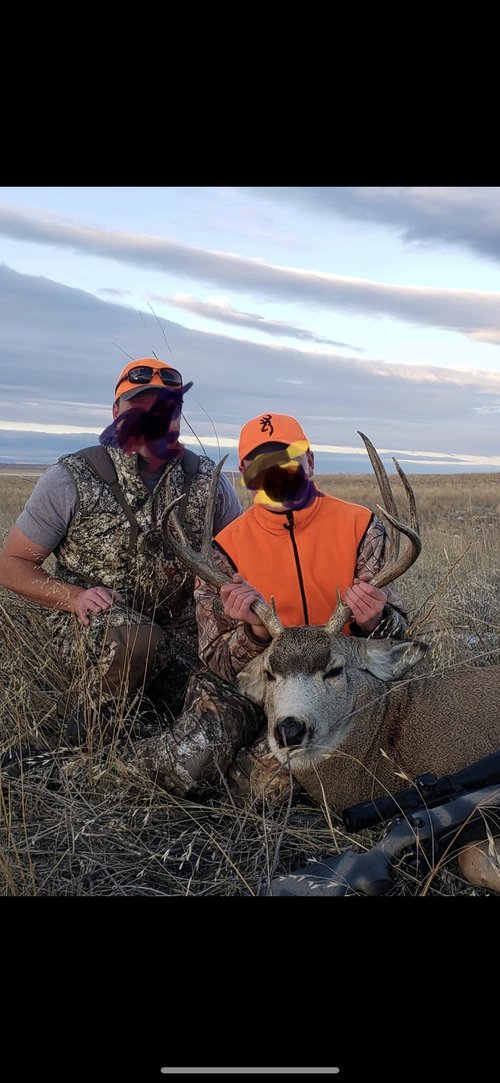
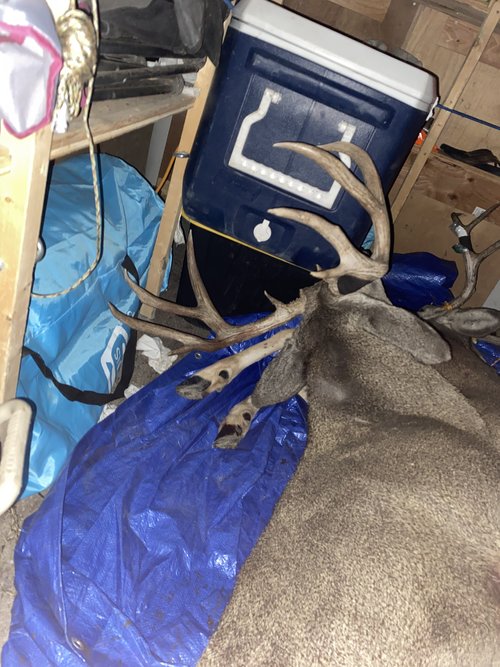
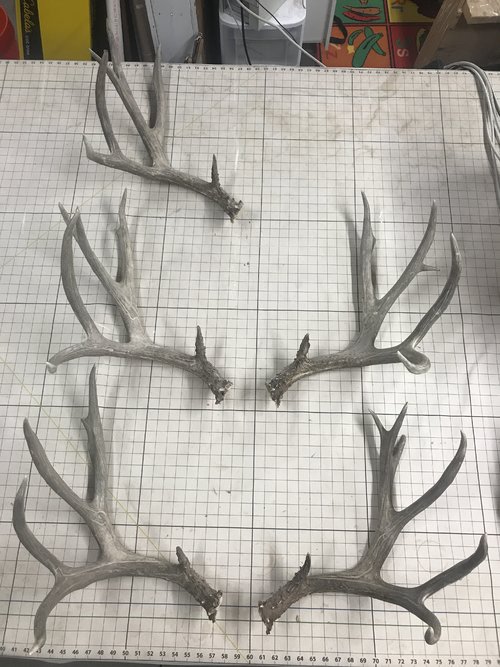
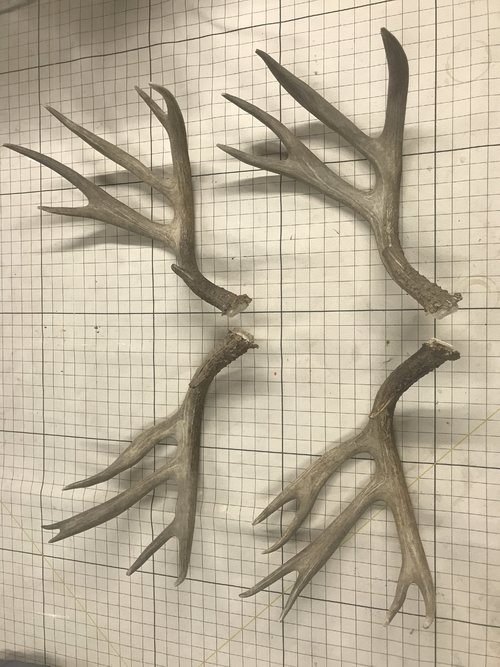
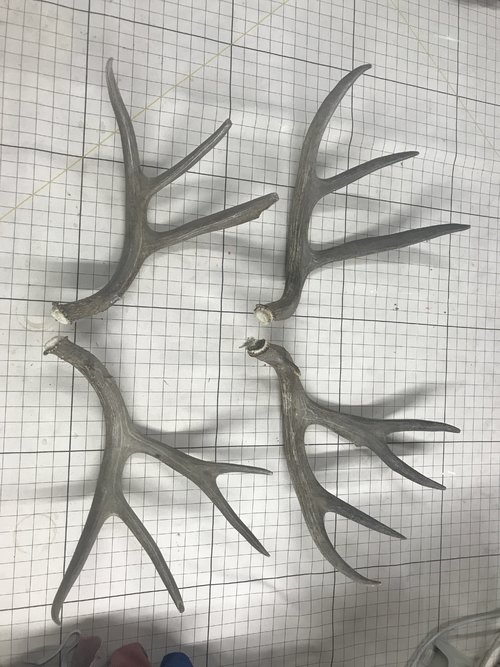
This is definitely the oldest buck I've killed, no idea on specific age. If I recall he scored in the low or mid 150's. I don't see his frame being capable of much more than another 10" or so tops even if this is a regressed condition. Not only based on this deer, but hundreds of other bucks in that area observed over many years.
View attachment 162621
View attachment 162622