

your wild game isn't organic

Dam, just reread title. Thought it said wild game was orgasmic. Gotta remember my readers.
Well it is if you prepare it right
Well, one thing for sure - unlike their penned counterparts, wild game isn't jacked up with antibiotics. 80% of all antibiotics are used in animal agriculture...
There’s a lot of nuance missing from that claim. While it’s true that antibiotics are used in animal agriculture, their use is highly regulated and tightly controlled.

That’s exactly why antibiotic withdrawal periods exist. For example, in dairy, every single tanker of milk is tested for antibiotic residues at the processing plant before it’s unloaded. If a tanker tests positive, individual farm samples are run to identify the source, and the farm responsible is financially liable for the entire load, often 6,000 gallons at a cost of $8,000 to $12,000. Because of that accountability, positive tests are extremely rare.

In poultry and swine, the use of medically important antibiotics for growth promotion was eliminated in 2017. Antibiotics are still used therapeutically when animals are sick, much like how antibiotics are prescribed in human medicine. Treated animals must meet strict withdrawal times before entering the food supply.

So when people say there are antibiotics in meat, milk, or eggs, it is usually a misunderstanding of how the system actually works. The reality is that residue testing, withdrawal rules, and enforcement make the U.S. food supply among the most closely monitored in the world.
 
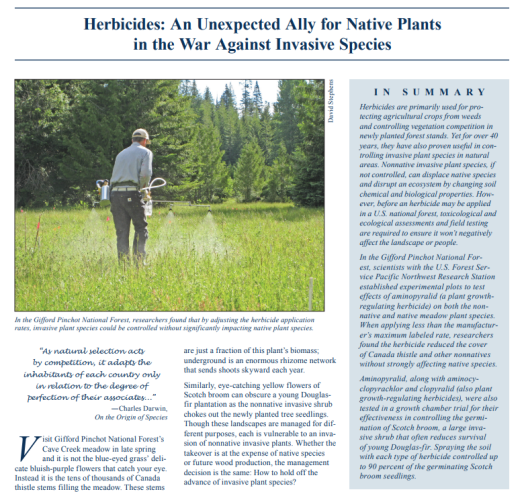
I know the forest service around here sprays round up on invasive weeds in the national forests. Those areas drain directly into my favorite lake to visit, so we don't eat fish caught there. Fishing is mediocre there anyway. I hunt bears in the area, and some of the i hunt deer pass through or even winter in that general area.

Really wish they would figure out another way to control the issues besides carcinogenic chemicals. Goats would probably be more effective and cheaper? Anything but chems.

Ive shot my last few deer on private adjacent to sprawling neighborhoods on 5-10 acre lots. The 20 acres I hunt has organic alfalfa for the cattle, and don't spray anything. The acorns the deer eat are safe. Some of the best deer Ive ever had come off that farm.
 
90% of the animals I shoot haven’t been on ag fields. There’s a very small chance they ate sprayed grass/weeds.
 
Ive shot my last few deer on private adjacent to sprawling neighborhoods on 5-10 acre lots. The 20 acres I hunt has organic alfalfa for the cattle, and don't spray anything. The acorns the deer eat are safe. Some of the best deer Ive ever had come off that farm.
Homeowners use up to 10 times more chemical pesticides per acre on their lawns than farmers use on crops. Nearly 80 million pounds of pesticide active ingredients are used on U.S. lawns annually. On top of this, 90 million pounds of chemical fertilizers are used on lawns annually.
90% of the animals I shoot haven’t been on ag fields. There’s a very small chance they ate sprayed grass/weeds.

 
Homeowners use up to 10 times more chemical pesticides per acre on their lawns than farmers use on crops. Nearly 80 million pounds of pesticide active ingredients are used on U.S. lawns annually. On top of this, 90 million pounds of chemical fertilizers are used on lawns annually.


National Forest…
 
Well it is if you prepare it right

There’s a lot of nuance missing from that claim. While it’s true that antibiotics are used in animal agriculture, their use is highly regulated and tightly controlled.

That’s exactly why antibiotic withdrawal periods exist. For example, in dairy, every single tanker of milk is tested for antibiotic residues at the processing plant before it’s unloaded. If a tanker tests positive, individual farm samples are run to identify the source, and the farm responsible is financially liable for the entire load, often 6,000 gallons at a cost of $8,000 to $12,000. Because of that accountability, positive tests are extremely rare.

In poultry and swine, the use of medically important antibiotics for growth promotion was eliminated in 2017. Antibiotics are still used therapeutically when animals are sick, much like how antibiotics are prescribed in human medicine. Treated animals must meet strict withdrawal times before entering the food supply.

So when people say there are antibiotics in meat, milk, or eggs, it is usually a misunderstanding of how the system actually works. The reality is that residue testing, withdrawal rules, and enforcement make the U.S. food supply among the most closely monitored in the world.

The problem is I understand all too well how the "system" works, which is why I don't eat any of it. Antibiotic resistance in the human population is a direct result of their overuse in animal ag.
 
Back
Top