People keep writing that, but then don't explain what the point actually is.
Here's my take: You (and many, if not most, people) don't like smoke from forest fires (mostly because it's annoying and potentially dangerous, especially to people with existing respiratory health issues) and you want to blame someone. But it's not easy to figure out who to blame because we all share responsibility at some level (who we vote for, how involved we are in shaping public opinion, where we choose to live, etc, etc) and a fair amount of blame rests with our predecessors - forest (mis)management has been ongoing for more than a century. Forest fire mitigation, management, and suppression are complicated and expensive and we could be doing a lot better, but our short-sightedness makes us the worse enemies of our future.
People keep adding their own opinions when interpreting others. I've stated mine, what feels like 42 different ways, but because you don't agree with it, you don't "get it".
My points are:
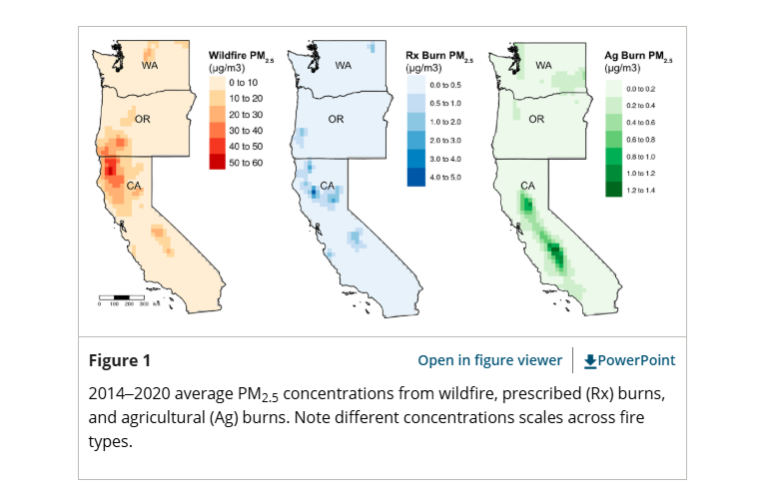
1. That hazardous air quality is, in fact, actually hazardous to humans. Anything over an AQI of 150 is demonstrably bad for you. You can drop the potentially.
2. There are 100k's, if not millions, of people, from kids to the elderly, are forced to deal with hazardous wildfire-related smoke for considerable portions of their lives.
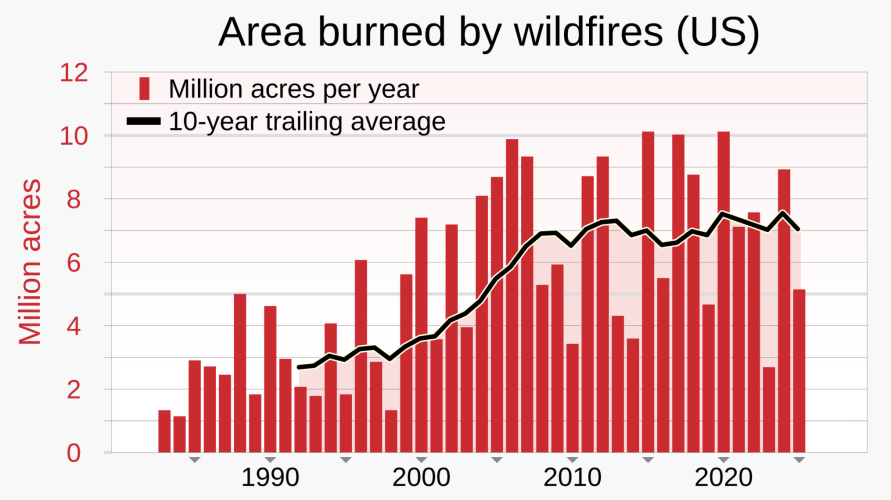
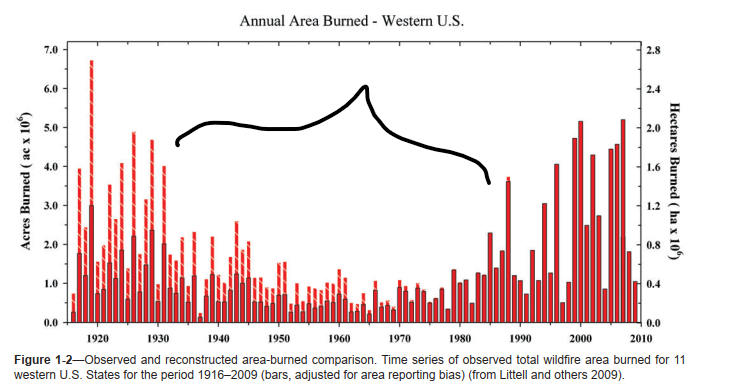
3. The FS is capable of putting out fires. As shown by decades, almost a century of wildfire suppression. And that there are options outside of fire to reduce forest fuels.
4. Putting out wildfires is costly, but increasingly so the larger they are.
5. Science has shown that there are a plethora of positive outcomes from a lack of wildfire. Observation and logic will also tell you there are a plethora of negative ones too.
6. That either A) far too much societal weight is currently placed on the benefits of "natural" wildfire; and/or B) no one is actually accounting for the societal health "costs" when saying full suppression is too costly.
If you've ever had to do a SEPA or NEPA for a waterline, powerline, low-incoming housing project, or some other project that is generally beneficial to the public, then you know that intent doesn't actually mean a goddamn thing, and you do have to actually account for all of your impacts. It's why data centers can sometimes be stopped. If we have a national, state, or forest specific "plan" for how we manage fires, I would like to see it, and the underlying data and decision making that goes into it.