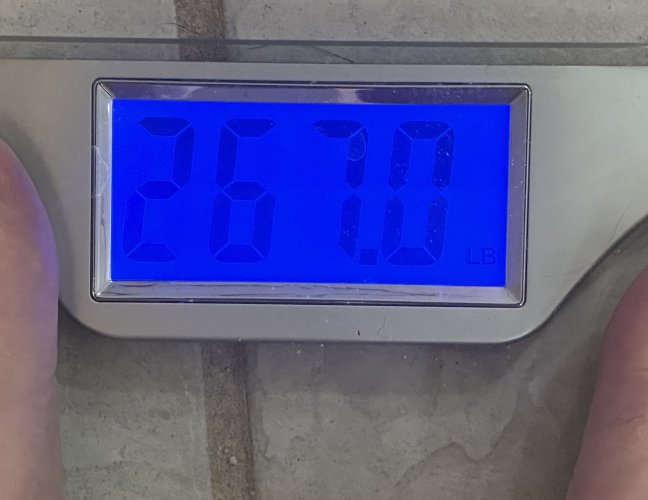
I get a weekly email from these guys and most of the time they are spot on so I thought I would share this one. May be some pieces to this that are helpful for someone, I know they are for me-
New Year’s resolutions are BS. There, I said it. The
idea of resetting is great. Humans run on cycles. Seasons. Inflection points. It’s healthy to go after it hard — then step back, assess, and recalibrate.
But most New Year’s resolutions are wishful thinking on a timeline. “I’m going to get healthy!” Too vague. “I’m cutting out sugar completely. Forever.” Too extreme.
Without structure and strategy, you’re relying far too much on motivation — and motivation is a terrible employee.
The start of a new year
can be a great time to reflect, assess, and recalibrate. What do you want to achieve? How do you want to feel? What steps can you take to get there?
My advice? Focus on ONE foundational practice that helps move the needle on metabolic health. No gimmicks, no 30-day transformations; just something that’s specific, measurable, and achievable.
Need some ideas? Here are four foundational practices that I recommend to folks all the time. They seem simple, but you’d be surprised how often they’re overlooked — and how much impact they can have on your energy, blood sugar regulation, insulin sensitivity, and long-term resilience.
So bookmark this email. Pick one practice, focus on it for a month, make it stick. Then add another. Progress isn’t born from resolutions. It’s born from reps.
Practice #1: Prioritize Strength and Muscle Maintenance
Why it matters: Muscle is metabolically active tissue. It improves how your body handles glucose, enhances insulin sensitivity, and keeps you resilient as you age. You don't need to become a bodybuilder — you just need to consistently challenge your muscles.
What it looks like: Train 2–3 times each week to the point of fatigue. You’ll know you’re on track when the last few reps of each set feel hard. Where there’s challenge, there’s change.
The metabolic benefits you’ll get from lifting heavy things will compound for decades.
Read more:
Resolution #2: Reduce Added Sugar Intake
Why it matters: Excess sugar drives inflammation, destabilizes blood glucose, and fuels cravings that make everything else harder. Before you say "everything in moderation" — sure, but most people are way past moderation and don't even realize it.
What it looks like: Track all added sugars for seven consecutive days and calculate your daily average. Then, try to reduce intake by 5–10g (or one major source) each week until you reach 25g per day or, ideally, well below that.
The lower added sugars go, the better you stack the deck in favor of your metabolic health.
Read more:
Practice #3: Stay Hydrated
Why it matters: Proper hydration supports energy, mental clarity, blood pressure, and insulin sensitivity. But chugging water alone isn’t enough. You need adequate sodium and electrolytes to maintain fluid balance — especially if you're active, eating low-carb, or avoiding processed foods.
What it looks like: Commit to drinking water
and electrolytes first thing every morning (yes, before coffee) for 30 days. Already do that? Focus on dialing in your workout hydration timing. A lot of folks drink half a stick pack 30–60 minutes before high-intensity work, sip on fluids every 15–20 minutes between sets, and top off their hydration with electrolytes when it's time to recover.
Everyone (and everyday) is different. Be your own hydration scientist. Run the tests. Watch for signals. Adjust. Repeat. You’ll feel the difference when you get it right.
Read more:
Practice #4: Support Your Sleep and Stress Systems
Why it matters: You can dial in your nutrition and train perfectly, but if you're sleeping poorly and chronically stressed, you're swimming upstream. Poor sleep can tank blood sugar control, jack up cortisol, and derail recovery.
What it looks like: Commit to one habit for 30 days: something like screens off one hour before bed, morning sunlight within 30 minutes of waking, or a consistent sleep-wake schedule (within 30 minutes) that allows for 7–9 hours of sleep. Track your daily compliance.
Not everyone can control their schedule perfectly. Choose what’s achievable with your lifestyle.
Read more:
The Bottom Line
You don't need to overhaul everything simultaneously. Metabolic health isn't built through good intentions or quick-fixes. It's built through consistent, sustainable practices that compound over time. I know that's not as sexy as promising you abs by Valentine's Day, but it's what actually works.
Stay Salty,
Robb and the LMNT Team