Vaccine Characteristics
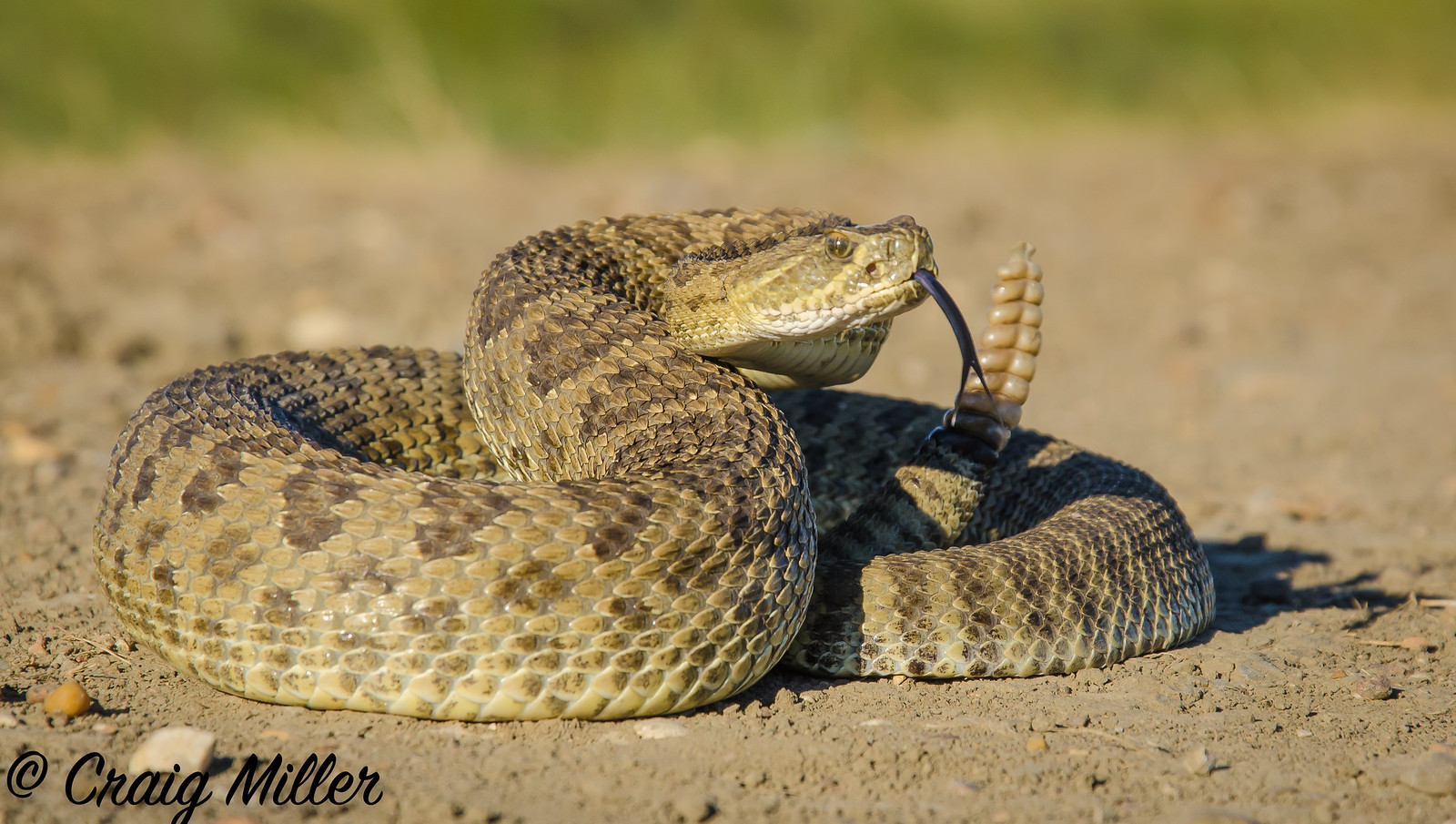
The rattlesnake vaccine, produced by Red Rock Biologics, is specifically designed to produce antibodies against the venom of the western diamondback rattlesnake. The vaccine may also be effective against other snakes with similar venom, such as the sidewinder, timber rattlesnake, and copperhead. The vaccine does not protect against the venom of water moccasins or coral snakes.
The vaccine works by creating protective antibodies that help neutralize venom, so dogs experience less pain and swelling after a snake bite. Dogs that are bitten may also require less antivenin, which can be fairly costly and may produce side effects. Factors that can influence the effectiveness of the vaccine include the location of the bite, the type of snake, and the amount of venom injected.
Recommended Schedule
While your veterinarian is always in the best position to advise you on individual vaccination decisions, some guidelines are on offer for dogs at risk of rattlesnake envenomation:
After the first vaccination the dog should receive a booster approximately one month later, followed by annual boosters in the spring before peak rattlesnake season. The vaccine’s protective effect is most evident four to six weeks after vaccination, and declines over time.
Dogs that are exposed to rattlesnakes for more than six months of the year may require boosters twice a year.












 I can't wait to shoot some with my new lens. Mediocre shot here.