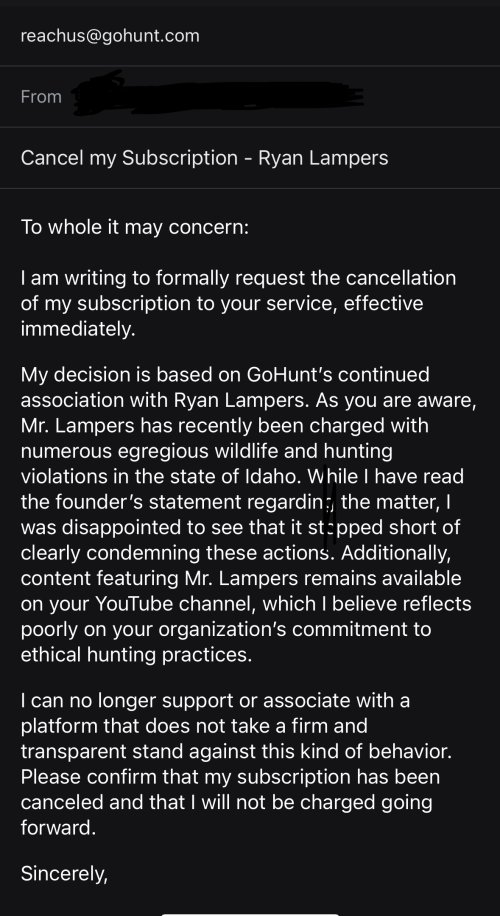
Here is what I'd think about crisis communications. You cannot
not communicate, and every communication is a strategy. Strategy doesn't mean what is communicated is insincere. It means that brands are searching for what they want to communicate, with the information available, to best support their business and partners - ideally, long-term. And even when brands choose silence, stakeholders interpret it.
In communications, brands live in a state of alignment with an influencer or ambassador. At some point, we all need to buy/do things in which we have zero experience - this is where influencer marketing helps a brand. Consumers link a company’s values to that influencer’s reputation.
Most crisis comms boil down to three familiar moves:
- Condemnation – Distancing quickly: “We do not condone this behavior and are ending our partnership.”
- Support – Expressing solidarity until facts are clear: “We stand with X until due process is complete.”
- Monitoring – The middle ground: “We are aware of the situation and are closely monitoring developments.”
Each communicates values, risk tolerance, and brand posture.
While sometimes recommended by legal counsel, “no comment” is not always neutral. Communication research shows silence is often interpreted as:
- Tacit approval (you don’t condemn it, so you must condone it).
- Avoidance (you’re hiding something).
- Uncertainty (you don’t know what to do).
That said, silence can occasionally be strategic. If the issue is minor, responding may draw more attention. In ongoing investigations, legal considerations may limit what can be said.
A best practice is to not overcommit, but acknowledge. A short "holding" statement signals awareness and alignment with core values without locking into a position prematurely. Sometimes just buying time while sorting out the facts is the best long-term move.
Perhaps a brand's non-statement is because people are busy with hunting season. Perhaps they don't want to burn bridges. Perhaps they feel it is a niche case and making a statement will alert people who didn't know about it - and that will reflect poorly on their brand. Perhaps they're waiting for lawyers to weigh in and they are limiting their exposure based on what is in their contracts. IMO, not making a statement risks bad optics. This doesn't have to be the case with just a simple statement like: “We are aware of the situation. We are committed to our values of conservation, hunting, and accountability, and we will provide updates as more information becomes available.”
IMO, other influencers affiliated with the same brands are
not obligated to make a statement. Each person stands on their own merit, actions, and history. It's too inflammatory especially at a time when not all of the facts are played out. The ROI is low. Brands, however, need to communicate that they are aware and are gathering facts.
Perhaps Ryan felt the need to produce results. Hunting media often trades on the killing of big animals = hunter value and fame. This can certainly encourage selfish/ego behavior or pressure unethical behavior. Maybe the market for promotional content and selling products is fueling a brand's communication paralysis (paralysis by analysis).
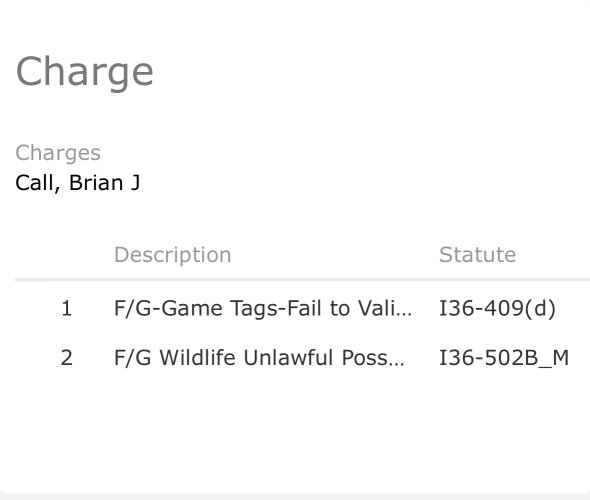
It's also possible that companies are small and the people in charge of these strategies are out of reach for a week or more due to hunting. The complaint was filed Aug. 29 and written about in
Gear Junkie on Sept. 3—then
MeatEater on Sept. 4. Typically four days is enough time for a brand to align on a comms strategy. I'm curious what comes out this week, if anything.
Thoughtful communication strategies is critical in the hunting space. We have to tell our story to have cultural influence, encourage hunting, protect wild places, and preserve the North American Model. Even these nasty bits are part of that story. Acknowledging it creates trust, and trust is powerful.