Cattle for fire suppression

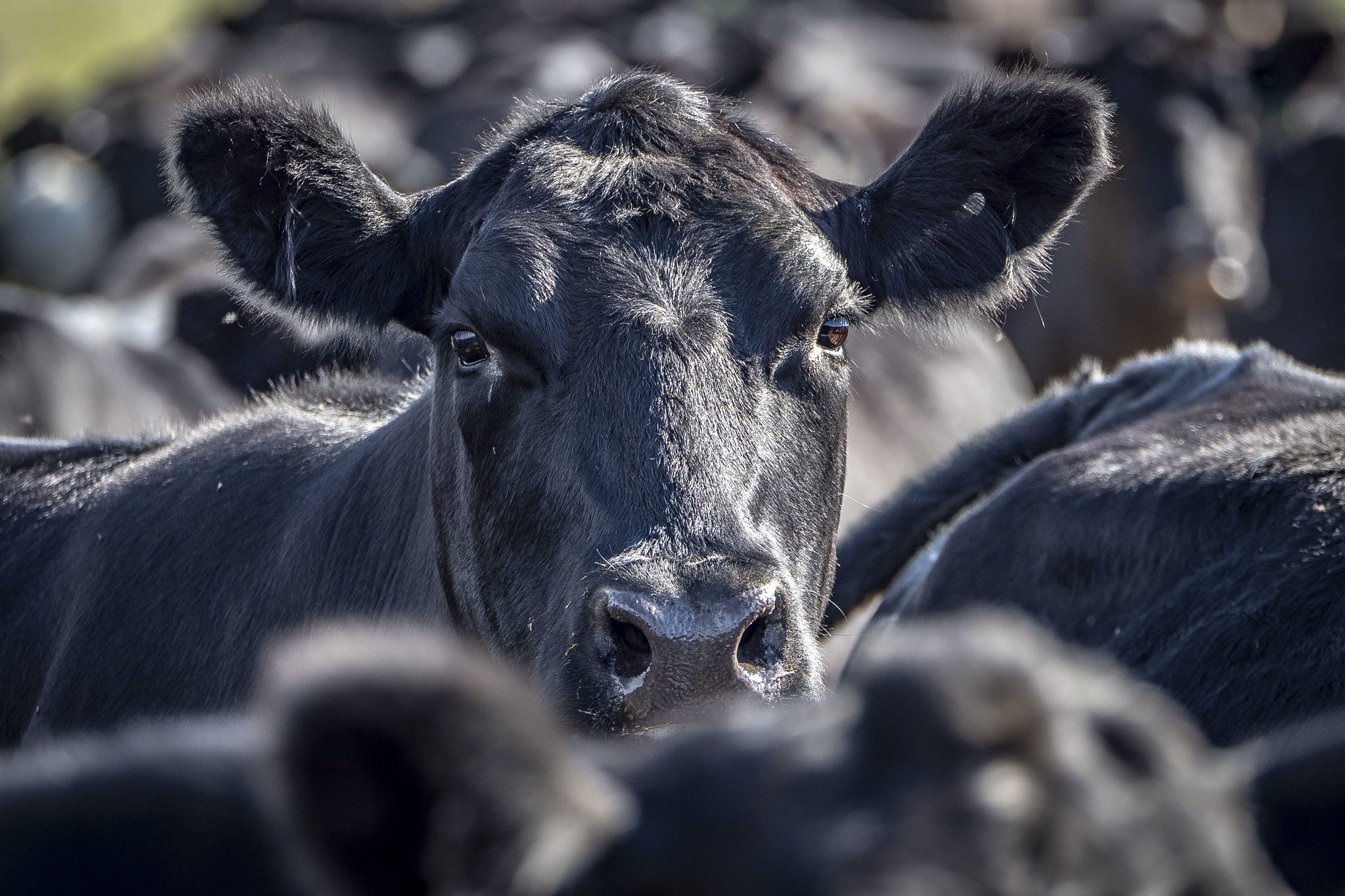
I lease my property out for cattle grazing. It makes a big difference in grasses for fire fuel. It has made no difference in elk numbers. Granted I dont have lots of cattle to prevent over grazing.
I can imagine some instances where it would help and some where it wouldn't. I just think it is obviously an oversimplified solution to a complex problem, which leads me to believe that there is another reason for doing it.
 
Cattle can definitely be used in a fuel reduction plan, however it has to be extremely targeted and well managed along with specific inducement to keep the cattle where you want them. Generally speaking it would be a very intense short term burst of grazing, and it is something that would need to be replicated. Cattle will eat cheat grass if it is early enough in the season.
 
Interesting. Can they eat it down to the point where it won't put out seed heads?
That was my point about replicating I should have been clearer. If you have a cheat grass issue, you would need to put cattle into the pasture early for more than one year and you need to remove them in time for the desired species to have a chance, basically you are wearing them out, with good cover native species should be able to out compete cheat grass. I say this with my experience on the Northern mixed grass prairie, Great Basin ecosystems would be I imagine quite different.
 
That was my point about replicating I should have been clearer. If you have a cheat grass issue, you would need to put cattle into the pasture early for more than one year and you need to remove them in time for the desired species to have a chance, basically you are wearing them out, with good cover native species should be able to out compete cheat grass. I say this with my experience on the Northern mixed grass prairie, Great Basin ecosystems would be I imagine quite different.
That's cool. I haven't seen anything except toadflax outcompete it around here, but it could be lack of precision management.
 
In the 1st paragraph it states that 1000 sheep and cattle died in the fire. Are we to assume they were all on public land? I guess if some were on private, then their grazing prescription wasn't effective in stopping the fire?

This entire article is a gross simplification of a complex issue. We have the livestock "brain trusts" of The Public Lands Council (who successfully lobby to keep the federal grazing fee the same as it was in 1978), Montana Stockgrowers and Karen Budd-Falen vs the eco-brain trusts Erik Molvar of Western Watersheds and Andrea Zacarrdi of The Center for Biological Diversity. Throw in a 'heapin helpin of politicos John Barrasso and "my cross is bigger that your cross" Harriet Haggeman and some un-named democrats. Throw in a dash of Wyoming State Forester Kelly Norris who knows who's butt to smooch if he wants to keep his current "position". Ahem. Sounds like a recipe for a giant cluster "F".

Let's have some specific areas and projects proposed, along with funding for fencing and water development, and some actual "vacant" grazing allotments to implement these practices on. And no proposals to beat the shite out of riparian areas while the uplands that are classified as "unsuitable" rangeland due to distance from water, slopes, seasonal closures, distance from viable livestock operations, etc., go un-grazed.

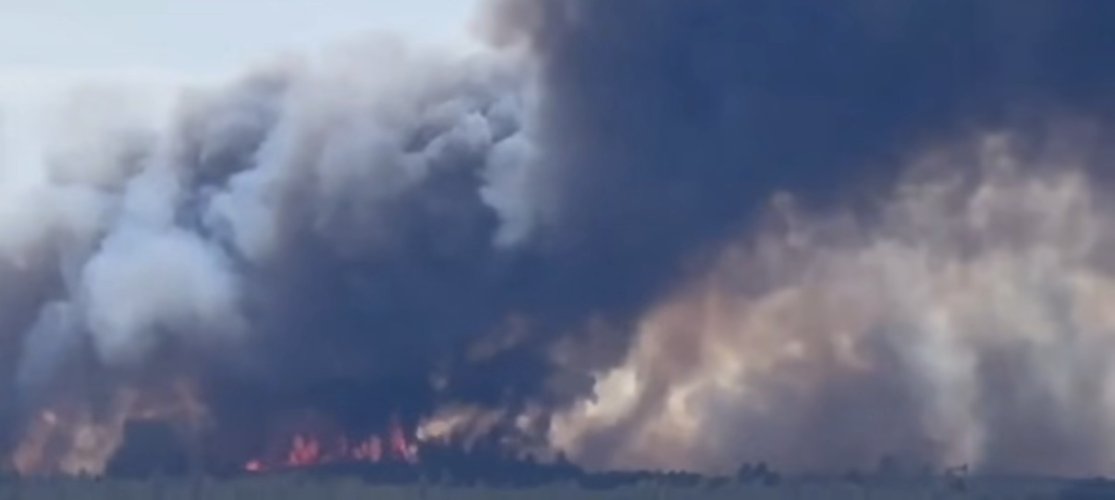
I worked in fire for the USFS for 35 years and have seen fires spot across interstate highways, the Salmon, Colorado and Snake Rivers, 3 miles of goatrock on the Continental Divide, and burn through grazing allotments in drought years that were grazed so short they looked like pool tables. Not to mention clearcuts.

Some grazing systems can lower the intensity of fires burning on the ground. Most federal grazing allotments already have these systems implemented. In drought years, that have become the norm for the last 20, all bets are off!

These people in the article are talking out of their butts!

 
In the spring a band of sheep will eat cheat grass right down to the ground, much better than cows when the need is for fire control.
 
Most of the denser cheatgrass areas in Colorado produce 700 to 1,200 lbs/acre of cheatgrass. Remnant native grass biomass is generally around 200 to 300 lbs/A under dense cheatgrass on the Front Range in Colorado. Once cheatgrass is controlled, remnant perennial native grass increases to around 700 to 1,200+ lbs/A. It's possible to get long-term (5 to 9 years) control of cheatgrass with one application of Rejuvra that promotes native forb and grass species.

Cheatgrass generally dries out by mid-June here in Colorado and is continuous fine-fuels for high intensity wildfires from mid-June through the winter months. Depending upon the perennial grass species present, most cool and warm season grass species remain green through the summer months which are resilient and don't burn like dried cheatgrass. In healthy grass communities there are gaps between grass stands rather than continuous fine-fuels found in cheatgrass stands. It's common to have "mosaic" burns when cheatgrass is removed that burn at lower intensity and is easier to extinguish once wildfires are started.

One consideration with cattle or sheep grazing is the disturbance often increases cheatgrass and other invasive weed species once cattle are removed from a pasture. It is also nearly impossible to prevent seed production of cheatgrass with grazing. Cattle often graze perennial grass plus cheatgrass at the time of year when cheatgrass seed is produced. Grazing often opens the canopy for cheatgrass and decreases the productivity of perennial grass....especially when grazed year after year at the same time of year.
 
We had goats grazing several of our properties last year. They did a great job with woody browse fire suppression around homes. They browsed the shrubs and trees down well. Goats prefer browsing broadleaf over grass species.

It ended up costing around $1,000/acre. The goats also had to get pulled off 2 properties because they had toxicity problems with curly dock and kochia. There are quite a few weed species that they have toxicity problems with.

The goats browsed the leaves off kochia, prickly pear and thistles. The weeds grew back, flowered and set seed shortly after they took the goats out. To be effective it would likely take several browsing events that drives up the cost even more than it already was.

I went back to the goat browsed sites this spring and the weeds are just as dense as they were after year one.

We actually compared goats, mowing and herbicides. The most effective control strategy for the cost was herbicides. The competitive perennial grass increased dramatically where we sprayed the weeds. Mowing and goats was fairly similar but mowing was way less expensive. Perennial grass biomass was significantly lower in goat and mowed plots than adjacent sprayed sites.

Obviously goats can browse in rocky or wooded terrain where it’s not possible to mow. Weed whacking is also an option in tougher terrain areas.
 

Forum statistics

Threads
119,178
Messages
2,219,186
Members
38,801
Latest member
Mbake315
Back
Top