BuzzH
Well-known member
My opinion is the market really wants to grow and its just orange related foolishness that it's not. I'm not a conspiracy guy at all, but I also can't disregard what @Nameless Range posted in his last sentence.



Follow along with the video below to see how to install our site as a web app on your home screen.
Note: This feature may not be available in some browsers.


I have a theory on why the market since 2010 has not seen a 10% pullback which stagnated for a year or more before reaching a new high.It really is hard to understand how the market has been so resilient through all this. Back to all time highs with what seems like a lot of uncertainty to me. Typically uncertainty is what the market really doesn't like.
Of course I didn't buy or sell during this little blip, pretty happy for the quick recovery but seems like it doesn't really make sense to me that it did recover so quickly.
I know everyone’s lives are contingent on the market whether they are active within it or not, but it all sure seems as crooked as a barrel of fish hooks.
That was a great summary of the the changes in market structure over the last 40yrs. Even into the late 90's trading commissions were $70/100shares for blue chips. That seems like robbery at this point.What happens when us old guys start selling holdings to fund retirement? Don't know but there are a lot of us in the sell off phase either now or the next few years. And, a lot of owner-occupied homes will also go on the market the next decade or two as we pass away. That cycle might create a drag on housing prices rising.
Something I found that may be surprising is that equity mutual funds have seen pretty consistent outflows for the last 15+ years (last I checked, at least) but prices have still gone up. Boomer's slowly but surely changing portfolio allocations is probably the reason, but it hasn't resulted in prices going down. Maybe the other factors overwhelm it?
There is definitely a long term transition out of active mutual funds into low cost passive funds and etfs. The numbers there are clear. The other data generally shows small net outflows from all equities, with some periods reversing the trend briefly. That isn't intuitive. The best way I can describe the reasoning is that in any given day the number of buyers and the number of sellers are equal, as are the dollars that exchange hands. They just argue over the price before the transaction takes place. Then, if only 100 shares get traded in a day, the other shares all get priced at that day's price. Prices and dollars can be disconnected.While the money may be leaving those funds, much of it is getting spent in the broad market- which would, in theory, lead to continually rising share prices for those companies that are the recipients of the sales.

With Iran firing on ships this weekend I am curious if Monday will see the market stagnate or fall. There may be peace talks but this will fester for a longtime to come.I don’t do this market stuff, but 20 minutes before Trump’s announcement
that the strait was open, it appears shenanigans worth $760 million placed a bet on falling oil prices.
Oh, and it also appears that no one agrees it will in fact be open.
I know everyone’s lives are contingent on the market whether they are active within it or not, but it all sure seems as crooked as a barrel of fish hooks.

If, by miracle a actual peace deal is signed and followed. I bet it'll be years before were back to normalish. Anyone investing in energy construction companies? A lot of infrastructure needs to be repairedWith Iran firing on ships this weekend I am curious if Monday will see the market stagnate or fall. There may be peace talks but this will fester for a longtime to come.

Not Monday ... Iran says not until US Hormuz blockade is removed.There may be peace talks


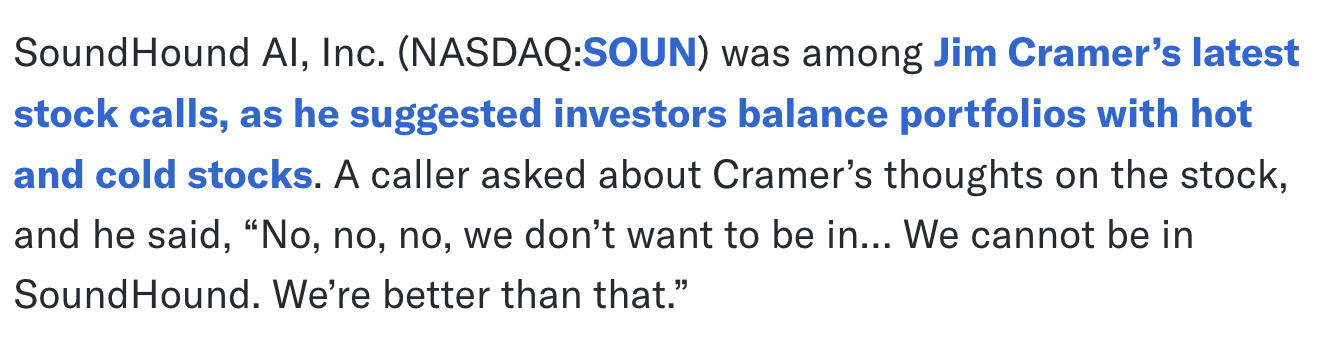

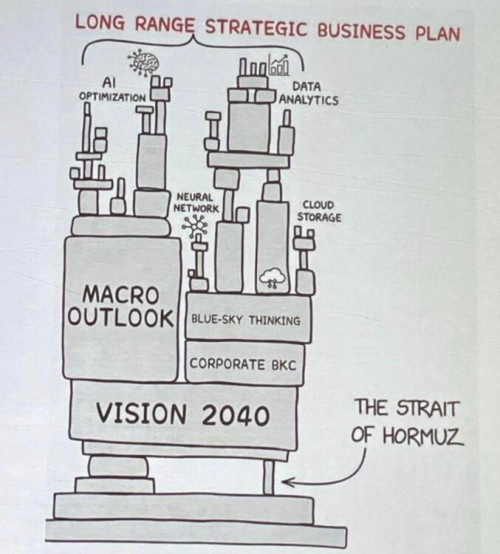

AI is on top of it...
View attachment 407110
Lots of fun stuff. Interest red held the same. Powell is staying on.
Trump meeting with oil objectives. Any bets on those talks being about anything other than "how much money can we make before we drop prices right before the election?"

Not even insider information for Polymarket bets!?I think the oil executives will politely decline to do the president's bidding. There is nothing in it for them to sell a product below the going price.
Theres a lot for them to lose, politically.I'm less cynical than that. I think that Trump will try to jawbone them about lowering gasoline prices generally.
I would doubt oil executives would commit to a price lowering, months out from now.
I think the market is beginning to realize that there is not going to be a quick resolution to the closure of the strait of Hormuz. Oil climbed today by ~8%. Diesel in town jumped to $5.119/gallon today. That is the highest I've seen here.
I think the oil executives will politely decline to do the president's bidding. There is nothing in it for them to sell a product below the going price.

They can buy a LOT of political capital at $100+ oil.Theres a lot for them to lose, politically.