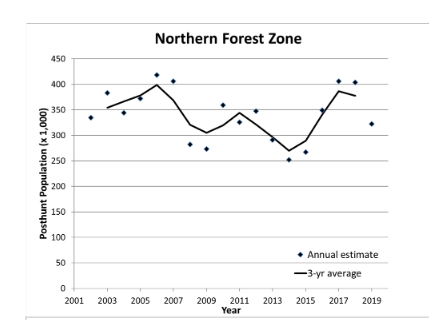
2019: "We are in the neighborhood of all-time record high deer numbers in Wisconsin," Kevin Wallenfang, Department of Natural Resources deer and elk ecologist
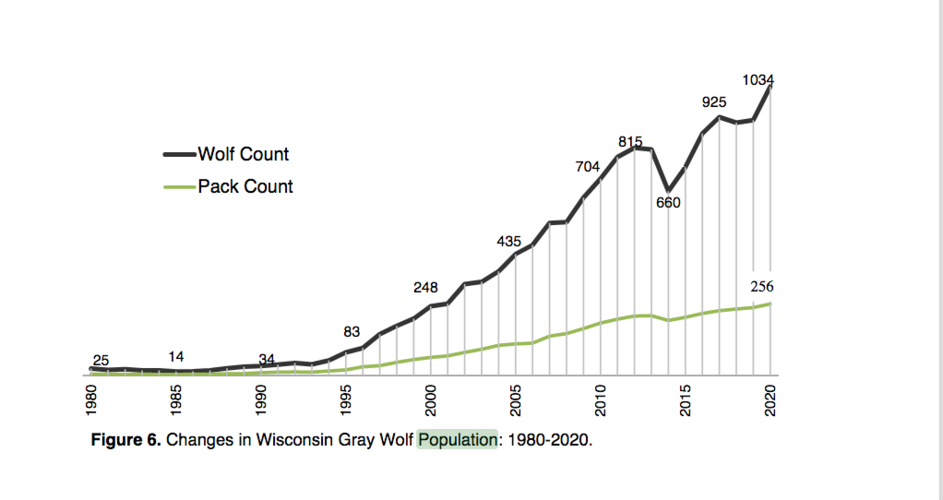
If I'm to believe the state's Deer and Elk ecologist, which I typically always do over hunters anecdotal statements, Wisconsin has (or had) a record high population of Wolves coinciding with a record high population of deer.
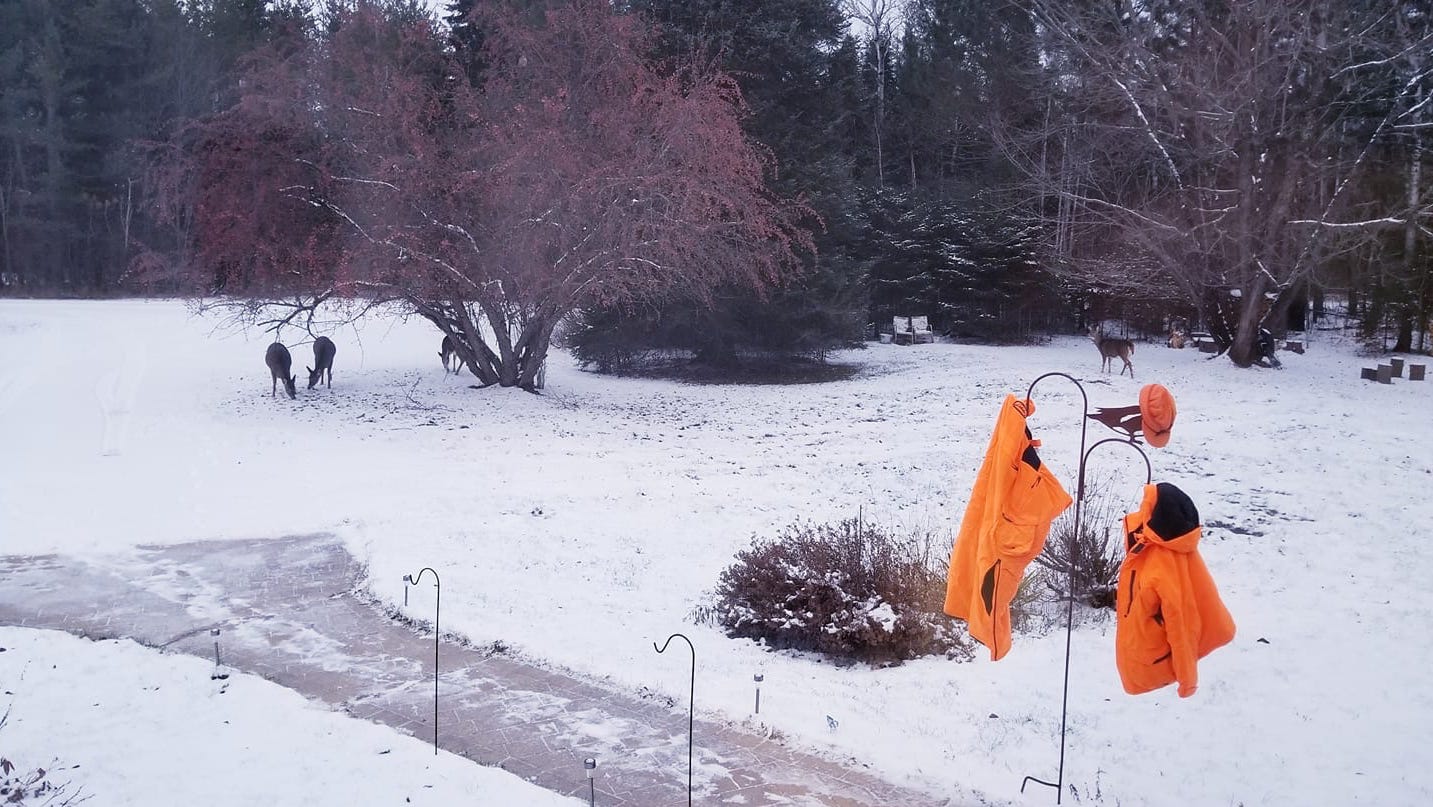
The Department of Natural Resources estimates 2 million white-tailed deer are present in Wisconsin, providing good prospects for hunters in the 2019 gun season.
www.jsonline.com
DNR data
In the other thread someone responded the deer in the Northern part of state are getting hit hard. I could not find data to support that statement.
Your statement about wolves 'chomping' down on deer for years doesn't mean anything significant, regarding population trends, without data. Predation can be compensatory, or additive.
You can still have a growing deer population with compensatory predation. If predation was compensatory the WI wolf hunt was nothing more than recreational hunting for the purpose of managing wolves at some arbitrary number and completely insignificant to helping the deer. So if you wanted to hunt wolves for fun then hopefully if was fun, if you thought you were saving the deer it was a fantasy...which can still be fun!
"Many deer hunters tend to believe that every deer killed by a predator results in one less deer available for a human hunter to harvest. Research has found the truth to be more complicated. Predators do not, in fact, always reduce the population growth rates of prey. Biologists use the terms “compensatory” and “additive” to describe the impact of predation on any given wildlife population. If predation is “compensatory,” it means the total number of prey to die in any given year does not change as a result of predation. It means the predators remove the number of animals that would have been lost anyway to other causes."
"In Wisconsin, deer populations have continued to increase across much of the state since the mid-1990s, despite increasing wolf and bobcat (and arguably black bear) population densities."






 So what my real concern is that it is being reported that we are were way over quota, when we actual weren't