the surveying methods and statistical methods to put harvest stats together by cpw have been discussed ad nauseum. they sample - which means not everyone gets a phone call.
so, whoever or whatever ass they came out of, they represent more than nothin, better than nothin, and the biologists do utilize them. take with whatever size salt you want.
Accurate by hunt code/DAU not Unit, they then break them out by unit, but the random samples weren't conducted by unit so they are 100% garbage and worth less than nothing because they are misleading.
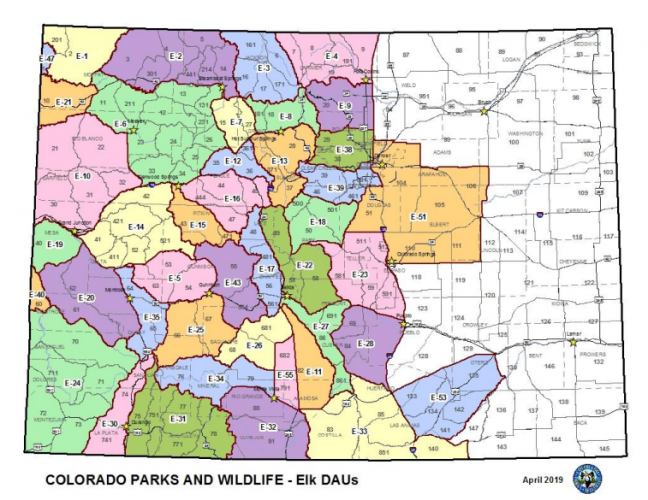
EG, E-13... So for say a limited season muzzy EE028O1M, there are 465 tag.
In reality; 300 hunt
28, 100 hunt
37, 35 hunt
13 and 30 hunt
371
36% of hunters are sampled statewide ... so assuming the DAU, is average ...165 total respondents.
The statistical average would be ~10 respondents for 371... but many times you get 3 or 0 or 20.
Let's say in 2018 you get 2, neither of those folks killed elk, but CPW did ask which unit and knows they were unsuccessful in 371, but N=2 out of 30 is not a representative sample... but CPW publishes 0% success rate in 2018 for 371 anyway.
Now in reality 15 of the hunters in 371 killed bulls, so the real success rate is 50%, ie wildly f-ing different.
Stratified Random sampling, is great for STATEWIDE results or even for herds (DAUs), which is the intention of the methodology but it's asinine to publish highly specific results... which is why we need mandatory hunt reports like most states have.
It's like Gallup saying not only that Biden has a X approval rating nationwide, but that based on that survey he has Y approval rating in Wolf Point, MT.