Changes to ESA rules

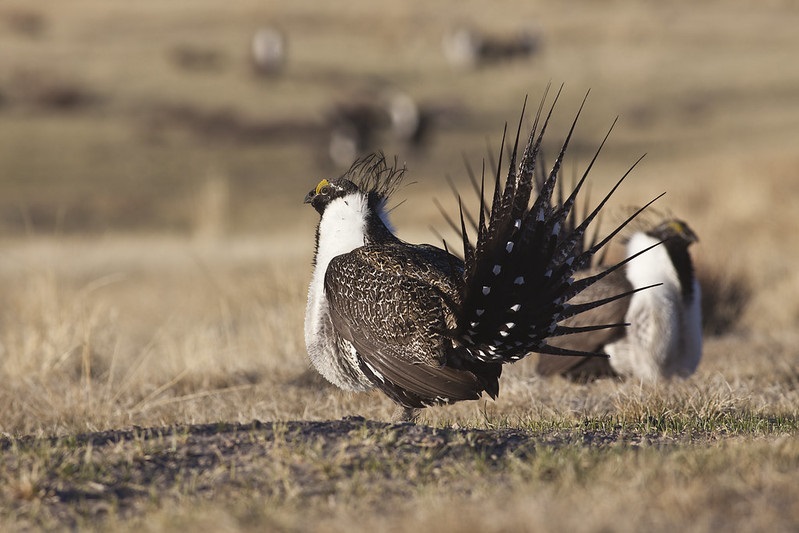
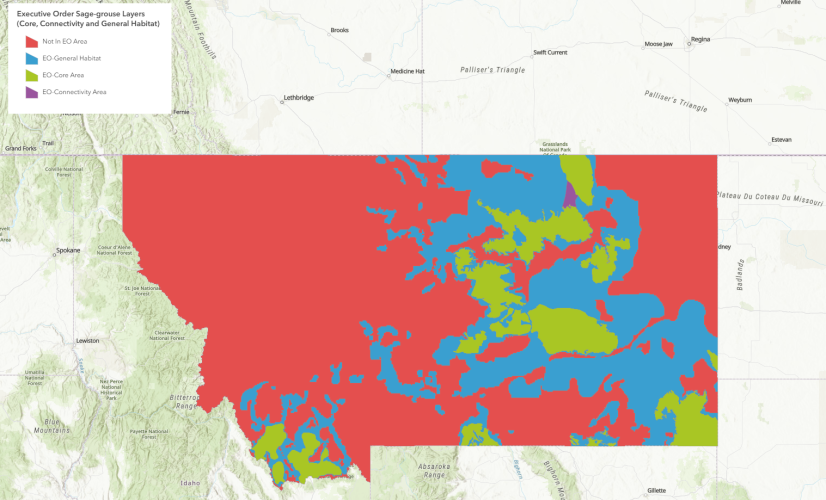
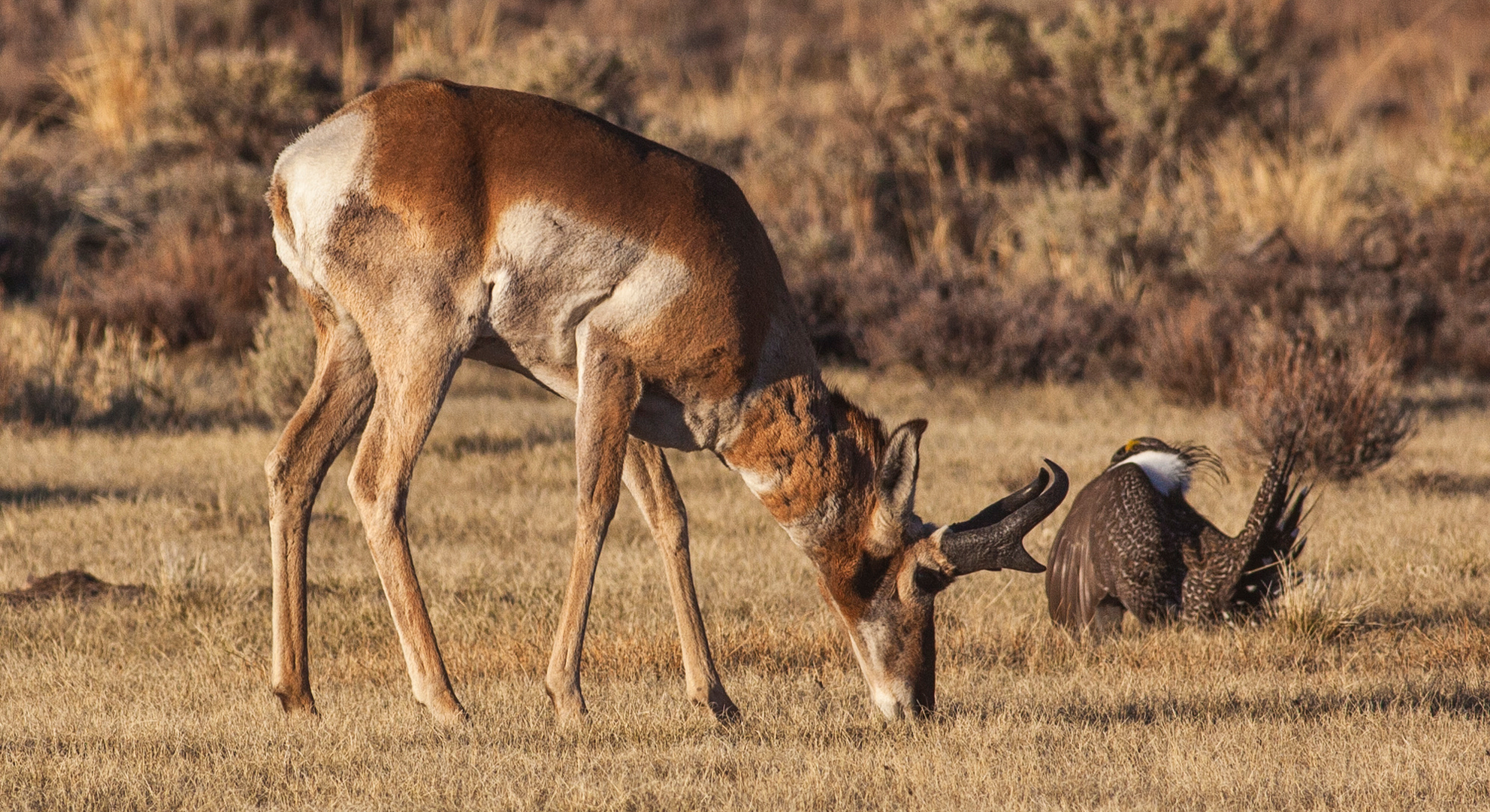
sage grouse.

i could see an argument made about migration corridors, being that they rely on intact and unfragmented habitat.
Do you have an example of development of that habitat - that was halted from the ESA - that now wouldnt have been halted because of the change?
 
1&2 are obvious.
3. I have a slight quarrel with the word "management". I think we need a whole thread on that topic because most members just focus on what helps the things they see (i.e. hunt or might hunt), as your example shows. Nature is far more complicated than we want to admit and we overestimate our ability to successfully "manage" it.
4. I think the biggest impacts will be seen in the coastal areas. Earlier this year they exempted O&G from considering habitat when they drill in the Gulf to encourage more wells. The result isn't endangered turtles washing up dead on the beach. It has an impact over time as the turtles go from 900 to 800 to 700. This administration's response is basically to stop counting them and pretend the problem doesn't exist...all for $$$.

The ESA is one of the most successful laws enacted. The Grizzly bears are a prime example. It's not 100% successful (failed at mountain caribou) but we can look back and see measurable success over 50yrs. I wonder what we see when we look back after 50yrs of this interpretation. I don't think it will be good. We have lost a ton of habitat already and this rule change won't help that.
I disagree that the ESA has been successful legislation.

By what metric? Animals taken off the list?
 
I disagree that the ESA has been successful legislation.

By what metric? Animals taken off the list?
It is important that we are starting from the same point. Animals go on the list if they are endangered, they come off if they recover to self-sustaining levels or go extinct. So yes, animals taken off the list, but for the good reason. The more well known animals are wolf, alligator, bald eagle. The DOI keeps a list you can google if you want. At the very least, the ESA was successful in making people aware that they were having an impact on the environment. Along with regulatory rules on clean air and clean water (which are also being rolled back by this Admin BTW), the act has had a positive impact in improving this piece of real estate on the big blue marble we all call Home.\

Sage Grouse are not on the list. They probably should be but the concerns over adding to the list and it impacting development has kept them off. It certainly isn't because populations are doing great. Like Montana mule deer trends, doing something now will be a lot more impactful than waiting until the numbers make you have to do something.
 
I disagree that the ESA has been successful legislation.

By what metric? Animals taken off the list?
I think the encumbrances that come with an animal being listed has resulted in a lot of work to prevent animals from being listed; it's harder to point to something that theoretically would have happened without the ESA, but sage grouse seems like a good example. There are a bunch of hurdles to state projects in sage grouse habitat, but those exist to keep it from being listed - like several have already stated, once that habitat is gone and it's listed, there's no easy way to come back.
 
Like Montana mule deer trends, doing something now will be a lot more impactful than waiting until the numbers make you have to do something.
Just need to trust whatever the scientists (bios) say the resource can support.
Sage Grouse are not on the list.
Was part of my point. Habitat protection can and does happen independent of the ESA.
the act has had a positive impact in improving this piece of real estate
How many griz would be in the flathead - if it were logged? More? Less?
Sage Grouse are not on the list. They probably should be but the concerns over adding to the list and it impacting development has kept them off.
That is part of the problem with the ESA. You suppose a rancher would want to tell someone if they saw a lynx? Based on operational risks to bottom line - my experience is no.

I wont pretend to have all of the solutions. But as i stated previously - we got here - because left and right cant come to reasonable compromise despite wide spread knowledge of the issue. When the parties are effectively development/enviromental radicalists - guess this is the result.
 
Was part of my point. Habitat protection can and does happen independent of the ESA.
This. Not a single ES within my permit boundary. I still have considerable wildlife and habitat monitoring, mitigation, protections and limitations that I operate under.

I have no problem with the ESA in its current state, other than how it is manipulated by the serial litigators that love to shop for judges. No idea if this action will be net positive or negative. What I am certain of is if the change survives the obvious legal challenges, its not the beginning of Thunderdome. Still won't be able to degrade habitat without any consideration for the wildlife that inhabit it.
 
Was part of my point. Habitat protection can and does happen independent of the ESA.
And part of my point. Habitat is not being protected at the necessary scale.

How many griz would be in the flathead - if it were logged? More? Less?
How many griz are in Glacier NP? Is that because of the logging? Again, this whole "habitat management" thing needs some discussion because people fall back on it way too often. The Flathead and Lolo have logging and fires and are not viewed as improving by various, and very subjective, measures. The necessary scale, both in space and time, of these actions that is needed to create some positive change in these measures is not being acknowledged, nor is the downside. There is also a focus on what is possible. Sure, reclaimation could result in some positive impacts, and we can find example of such. The USGS also keeps a dataset of orphaned wells. So please excuse my skepticism when a company tells me how great the place will be made after they are done extracting and monetizing the asset.


There is also this default view that the ESA or some other Federal reg, along with evil environmental litigants is the cause for why logging and controlled burns don't get done. That isn't the primary cause. It's mostly local pushback against fires and resource constraints for logging. Too much time and energy is spent finding someone to lay the blame on, and not enough discussing and implementing improvements.
 
Do you have an example of development of that habitat - that was halted from the ESA - that now wouldnt have been halted because of the change?

that's kind of an impossible question.

Regardless, i'm speaking from a 30,000 foot point of view and the point is that there are obvious examples of how habitat is critical to a species survivability. I mean nothing more and nothing less by that statement than what it says. Except for that it feels like the administration doesn't agree with that statement based on its proposed rule change. I will also allow for the fact that that is not what they are saying.
 
Last edited:
How many griz are in Glacier NP? Is that because of the logging?
Quite a few.

I imagine, like yellowstone, fires are still happening at something close to resembling naturally occuring.

If you have a plan to let that happen again and to burning hellfire on the billionare castles existing on the fringe of forest service - have at it.
And part of my point. Habitat is not being protected at the necessary scale.
I dont entirely disagree. But the esa isn't the only mechanism to do so and what im trying to argue - might not be most effective. Sage grouse have had a pretty remarkable recovery.
 
that's kind of an impossible question
How?

If we can confidently say x project was held up explicitly due to the habitat concerns that would no longer apply, there should be a wealth of examples.

Dont misunderstand me as someone thats not for protecting habitat. The practical application of whats going in is what matters.
 
I dont entirely disagree. But the esa isn't the only mechanism to do so and what im trying to argue - might not be most effective. Sage grouse have had a pretty remarkable recovery.
I contend the ESA is like spanking your kids. For listed species, it does one thing (actually spanking), but for species at risk of listing, the threat of spanking is still effective.
 
I contend the ESA is like spanking your kids. For listed species, it does one thing (actually spanking), but for species at risk of listing, the threat of spanking is still effective.
Good analogy.

Lets build on it. Imagine if you put your kids and time out - and were never satisfied at their remorse or ability to do different. So timeout is perpetual. 😂
 
How?

If we can confidently say x project was held up explicitly due to the habitat concerns that would no longer apply, there should be a wealth of examples.

it's a pointless question too, and impossible.

a rule change that hasn't even gone into effect? i have no clue how it would've been applied to various projects, litigated, and ruled on under previous administrations and courts. terrible use of my time.

nobody can say either way. it's an impossible question.

and, it has nothing to do with my point.
 
Dont misunderstand me as someone thats not for protecting habitat. The practical application of whats going in is what matters.

to me the premise of the rule change is that it seems the admin is arguing that harming habitat really isn't something that should be of consideration with regards to the potential harm to a species from a given action that could harm habitat.

the practical implication to me there is concerning. it just is. cause the premise is not factual and habitat is overwhelmingly one of the greatest variables to species survivability.

maybe that isn't actually their premise 🤷‍♂️

i know some really have developed an identity of never being concerned about anything because alarmism is so emotional and weak, right? but it's okay to look at something and see the core idea of it as something capable of leading to poor outcomes in the long run.
 
Last edited:
the practical implication to me there is concerning.
Me as well. Which is why i asked the "impossible question"

The practical application of stopping habitat "harm" as an absolute is well understood. What would/could have shaken out differently (with the new rule) was intended to weigh the future issues against existing ones.

And no - alarmism is emotional and does nothing practical.

Its a compelling argument when data, specific applications, and studies are involved. As in - if the ESA didnt have this protection, we would have lost x.

Screeching that the current admin doesnt care about habitat based on the change of wording in the rule simply isnt convincing. It sounds like political pandering and tribalism. To me. But most importantly to anyone. Two things can be true at once, 2 identies have formed. One that bawls if trump pets a kitten and another thats indifferent to anything as a show of something.
 
Last edited:

Latest posts

Forum statistics

Threads
119,578
Messages
2,230,674
Members
38,929
Latest member
5Standjake
Back
Top