

Navigation
Install the app
How to install the app on iOS
Follow along with the video below to see how to install our site as a web app on your home screen.
Note: This feature may not be available in some browsers.
More options

You are using an out of date browser. It may not display this or other websites correctly.
You should upgrade or use an alternative browser.
You should upgrade or use an alternative browser.
Wild sheep and disease
- Thread starter Oak
- Start date


Really interesting article, thanks for posting @Oak. This part is interesting:
“Colorado Parks and Wildlife can manipulate hunting licenses, improve habitat or move bighorn sheep, but when it comes to conflicts with domestic sheep on federal grazing lands, it is up to federal agencies to make changes.”
This speaks to a conflict I have discussed before- states manage the wildlife while the feds manage the land they require for their survival. With respect to Colorado bighorn management, this arrangement does not appear to be working well.


Bluffgruff
Well-known member
@Oak Are there any good options for the general public to put pressure on the federal agencies?
bayoublaster7527
Well-known member
- Joined
- Aug 2, 2017
- Messages
- 837
Great piece. Thank you @Oak for bringing statewide attention to this important issue. Another example of the great work by the consummate professionals at CPW and passionate volunteers at RMBS.

COEngineer
Well-known member
- Joined
- Jul 6, 2016
- Messages
- 1,679
Mountain Studies Institute (MSI) https://www.mountainstudies.org/ has a bighorn sheep monitoring program and has extremely knowledgeable staff and volunteers doing work and advocacy. CO chapter of BHA has been financially supporting them for three years.@Oak Are there any good options for the general public to put pressure on the federal agencies?
Last edited:
There are probably not a lot of good options under the current administration, given their initial signaling of support for less oversight of public lands vs more oversight. Especially when NEPA is likely to lead to more stringent management of those lands. Likely the only effective pressure would be Congressional direction to prioritize processing of allotments with resource conflicts, along with the funding to do the work. As it is, the agencies have a free pass on the grazing programs, so there is no incentive to spend limited budgets there.@Oak Are there any good options for the general public to put pressure on the federal agencies?
I worked with Dan to move the bighorn observation program to MSI years ago, and RMBS has been funding it annually since then (2018?). It has done a lot to bring public attention to the issue, and has provided valuable data that has contributed to our efforts on compensated permit waivers. The data will also prove valuable if/when NEPA is ever completed on grazing allotments. Here's an old article about the program.Mountain Studies Institute (MSI) https://www.mountainstudies.org/ has a bighorn sheep monitoring program and has extremely knowledgeable staff and volunteers doing work and advocacy. CO chapter of BHA has been financially supporting them for three years.

Beloved Boulder City Bighorn Sheep ‘struggling’ with pneumonia
Dozens of Bighorn Sheep call Hemenway Park home, but the staple in the Boulder City community could be at risk.
COEngineer
Well-known member
- Joined
- Jul 6, 2016
- Messages
- 1,679
Seeing those lambs coughing and dying is gut-wrenching. Can we direct some of the anti-hunters to do something about this actual problem instead of wasting everyone's time and money on predators?
Here's a short CPR hit from yesterday on CO bighorn sheep disease. Scroll down to Segment 2. Andy did a good job, but I'm going to have to question him on the "hundreds" of CPW staff working on bighorn sheep issues. 

 www.cpr.org
March 18, 2025: A mother's fight for justice; The unseen threat to Colorado's bighorn sheep | Colorado Public Radio
LaRonda Jones, the mother of Kilyn Lewis, wants the new district attorney to reopen the investigation into the death of her son who was shot and killed during an encounter with Aurora police last May. Then, Colorado Parks and Wildlife is keeping a close eye on our iconic state animal, the Rocky...
www.cpr.org
On the same day the 10th Circuit issued their corner-crossing decision, oral arguments were happening on the appeal of a USFS decision to continue grazing a high-risk domestic sheep allotment in SW Colorado. The FS completed a risk assessment and found the allotment to be extremely high risk to wild sheep, then arbitrarily used "local conditions" to give it a "moderate" risk rating. Things like having a highway and the Rio Grande River between the bighorns and the allotment, being close to the highway for better detection of contact between wild and domestic sheep, having no overlap between mapped bighorn range and the allotment (0.5 mile separation), etc. You can listen to the 35-minute or so proceeding on YouTube here. Hard to say for sure, but I'm not convinced the judges were buying the FS arguments.

Forkyfinder
Well-known member
- Joined
- Dec 13, 2023
- Messages
- 6,169
Disease die-offs continue to ravage bighorn sheep. Advocates say feds left them ‘high and dry’ on the issue. | Rocky Mountain PBS
State biologists called 2023 the worst year in more than a decade for bighorn sheep. What are Coloradans doing to protect this iconic species?
www.rmpbs.org
Not sure if others saw this but thought it was a good article. I didnt realize that it wasnt practical (independent of policy) to vaccinate bighorn sheep.
I forgot to update this in May, but indeed the 10th Circuit Court of Appeals did not buy the USFS arguments for using arbitrary "local conditions" to approve grazing. A rare win for bighorn sheep. Court opinion attached.On the same day the 10th Circuit issued their corner-crossing decision, oral arguments were happening on the appeal of a USFS decision to continue grazing a high-risk domestic sheep allotment in SW Colorado. The FS completed a risk assessment and found the allotment to be extremely high risk to wild sheep, then arbitrarily used "local conditions" to give it a "moderate" risk rating. Things like having a highway and the Rio Grande River between the bighorns and the allotment, being close to the highway for better detection of contact between wild and domestic sheep, having no overlap between mapped bighorn range and the allotment (0.5 mile separation), etc. You can listen to the 35-minute or so proceeding on YouTube here. Hard to say for sure, but I'm not convinced the judges were buying the FS arguments.
Attachments
The primary grazing management issue for federal agencies is that they don't have the staff/funding to complete NEPA analysis of all grazing allotments at permit renewal. Congress has given the agencies a permanent pass on this issue by allowing them to renew grazing permits under existing terms and conditions "until the date on which the Secretary concerned completes any environmental analysis and documentation for the permit or lease required under the National Environmental Policy Act of 1969 and other applicable laws.”
This is essentially "forever" for grazing permits with resource conflicts like bighorn sheep, sage grouse, and other T&E species, because those require complex, time-consuming analyses. The agencies complete analyses (EAs, DNAs, etc.) on the low hanging fruit allotments with no conflicts and few land health issues, and renew the permits with conflicts without analysis. Renewals are generally for 10-year terms, meaning that the line officer signing the renewals will likely never have to revisit the issue.
In December 2024, the BLM addressed this backwards management by released a "permanent" instruction memorandum (PIM) directing BLM offices to prioritize allotments with high value resources:
"Field Offices (FOs) must give the highest priority to the work necessary to meet applicable legal requirements (e.g., court orders, compliance with the Endangered Species Act and associated regulations, etc.). FOs must then use the criteria listed below to develop a prioritization schedule for fully processing[1] active grazing allotments with high-priority resources. Sage-grouse and Bighorn Sheep habitats are the two highest priority resources based on the ongoing rangewide efforts to conserve the Greater Sage-Grouse (GRSG) and the potential long-term nature and degree of potential impact of disease on bighorn sheep populations."
A couple of months ago, the current administration moved the PIM to "inactive" status. So we are back to business as usual, and now with even less capacity to complete NEPA due to staff reductions.
This is essentially "forever" for grazing permits with resource conflicts like bighorn sheep, sage grouse, and other T&E species, because those require complex, time-consuming analyses. The agencies complete analyses (EAs, DNAs, etc.) on the low hanging fruit allotments with no conflicts and few land health issues, and renew the permits with conflicts without analysis. Renewals are generally for 10-year terms, meaning that the line officer signing the renewals will likely never have to revisit the issue.
In December 2024, the BLM addressed this backwards management by released a "permanent" instruction memorandum (PIM) directing BLM offices to prioritize allotments with high value resources:
"Field Offices (FOs) must give the highest priority to the work necessary to meet applicable legal requirements (e.g., court orders, compliance with the Endangered Species Act and associated regulations, etc.). FOs must then use the criteria listed below to develop a prioritization schedule for fully processing[1] active grazing allotments with high-priority resources. Sage-grouse and Bighorn Sheep habitats are the two highest priority resources based on the ongoing rangewide efforts to conserve the Greater Sage-Grouse (GRSG) and the potential long-term nature and degree of potential impact of disease on bighorn sheep populations."
A couple of months ago, the current administration moved the PIM to "inactive" status. So we are back to business as usual, and now with even less capacity to complete NEPA due to staff reductions.

elkduds
Well-known member
Death sentence for more wild sheep. As if acknowledgment of contagion is off limits to this administration.The primary grazing management issue for federal agencies is that they don't have the staff/funding to complete NEPA analysis of all grazing allotments at permit renewal. Congress has given the agencies a permanent pass on this issue by allowing them to renew grazing permits under existing terms and conditions "until the date on which the Secretary concerned completes any environmental analysis and documentation for the permit or lease required under the National Environmental Policy Act of 1969 and other applicable laws.”
This is essentially "forever" for grazing permits with resource conflicts like bighorn sheep, sage grouse, and other T&E species, because those require complex, time-consuming analyses. The agencies complete analyses (EAs, DNAs, etc.) on the low hanging fruit allotments with no conflicts and few land health issues, and renew the permits with conflicts without analysis. Renewals are generally for 10-year terms, meaning that the line officer signing the renewals will likely never have to revisit the issue.
In December 2024, the BLM addressed this backwards management by released a "permanent" instruction memorandum (PIM) directing BLM offices to prioritize allotments with high value resources:
"Field Offices (FOs) must give the highest priority to the work necessary to meet applicable legal requirements (e.g., court orders, compliance with the Endangered Species Act and associated regulations, etc.). FOs must then use the criteria listed below to develop a prioritization schedule for fully processing[1] active grazing allotments with high-priority resources. Sage-grouse and Bighorn Sheep habitats are the two highest priority resources based on the ongoing rangewide efforts to conserve the Greater Sage-Grouse (GRSG) and the potential long-term nature and degree of potential impact of disease on bighorn sheep populations."
A couple of months ago, the current administration moved the PIM to "inactive" status. So we are back to business as usual, and now with even less capacity to complete NEPA due to staff reductions.
View attachment 384901
Just proves that propaganda works.
Speaking of propaganda, The American Sheep Industry Association (ASI) is doing everything they can to take advantage of this administration's public lands deregulation efforts and sent the attached propaganda letter regarding bighorn sheep disease to the USFS Chief and BLM acting Director, as well as their elected members of Congress.
Attachments
Just proves that propaganda works.
Speaking of propaganda......
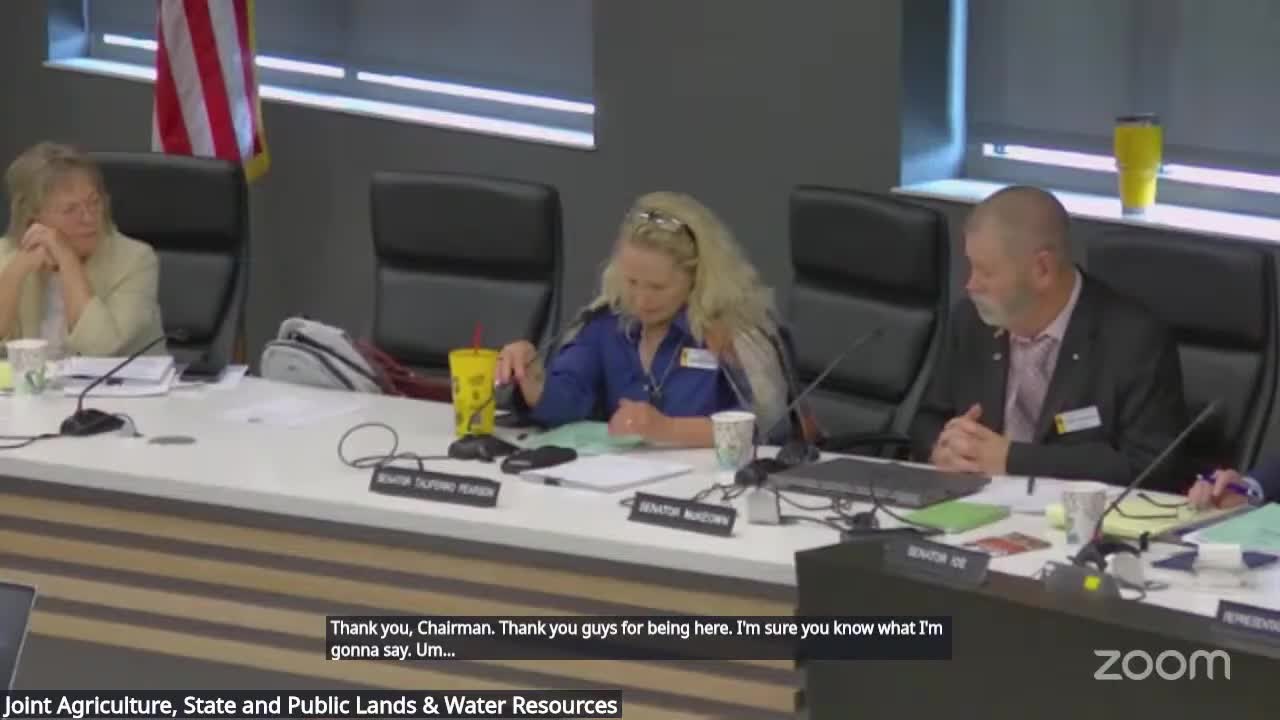
Concerns Raised Over Cloud Seeding's Impact on Bighorn Sheep in Wind Rivers
Activist questions cloud seeding chemicals and their effects on bighorn sheep respiratory health
 citizenportal.ai
Disease in the John Day herd.
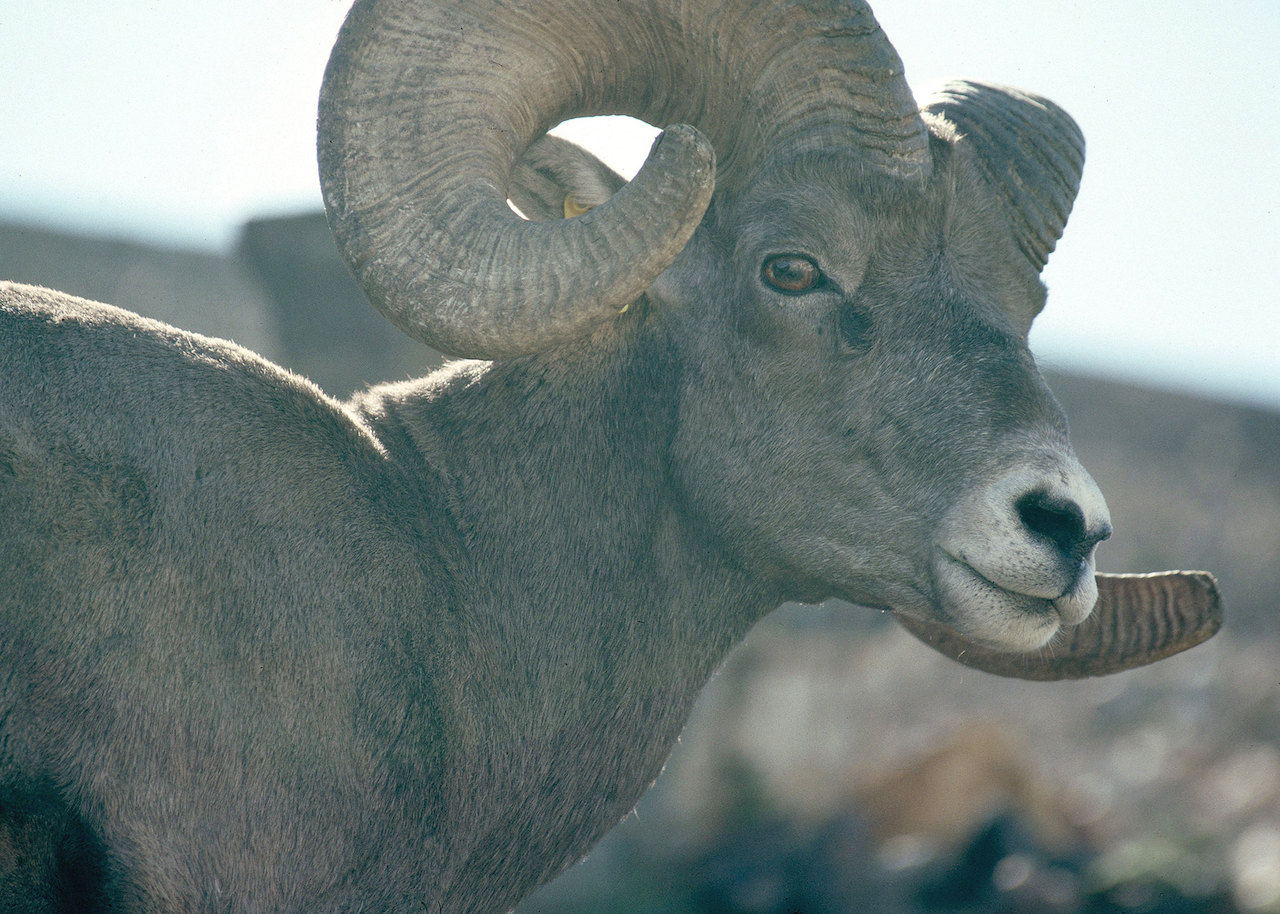
M.ovi Detected In Oregon's Biggest Bighorn Herd -
ODFW reports that several bighorns along the John Day River have recently tested positive for a respiratory pathogen that's caused pneumonia outbreaks in the state's wild sheep in the past, "disappointing news" as the disease hadn't been detected until now in this area's large herd.
nwsportsmanmag.com
COEngineer
Well-known member
- Joined
- Jul 6, 2016
- Messages
- 1,679
And the hits keep on comin.
Similar threads

- Replies
- 6
- Views
- 2K


- Replies
- 8
- Views
- 3K

- Replies
- 145
- Views
- 30K