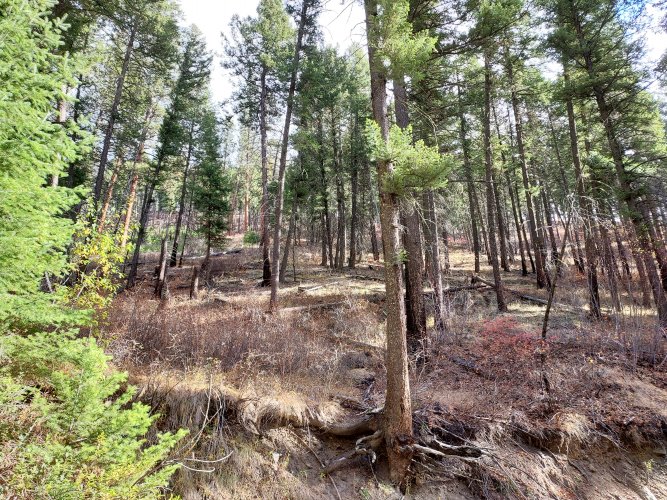
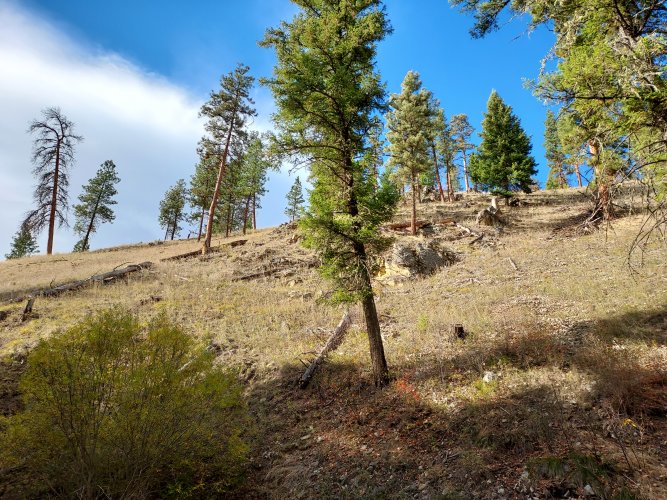
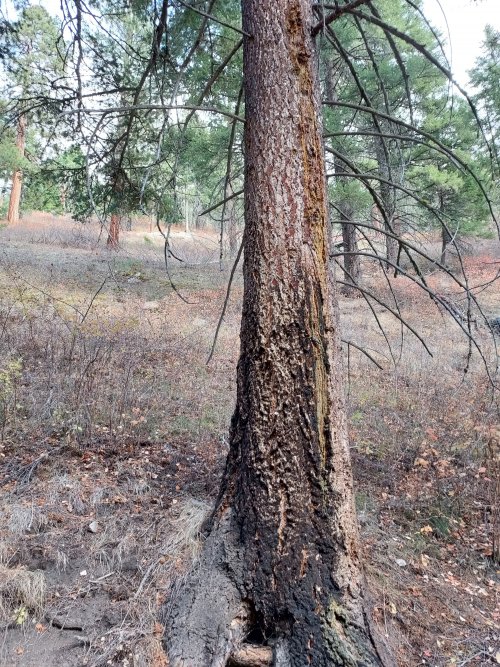
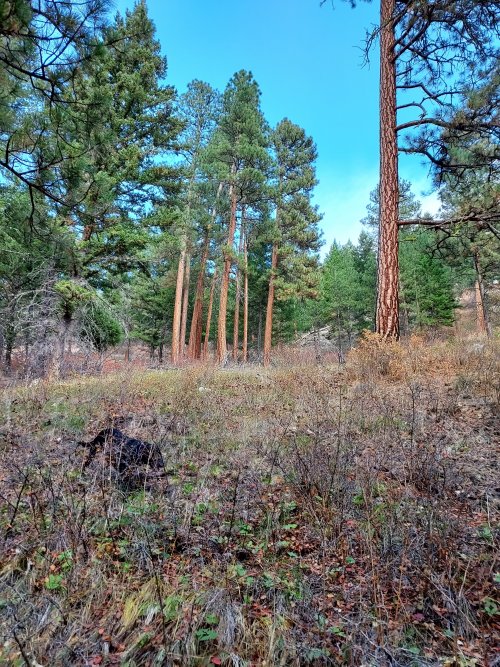
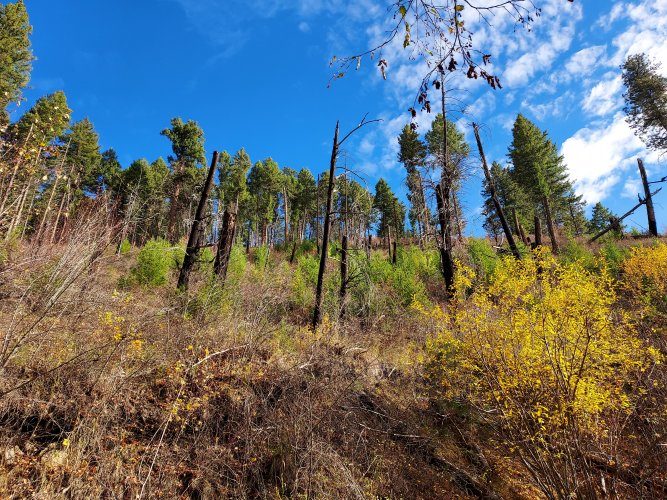
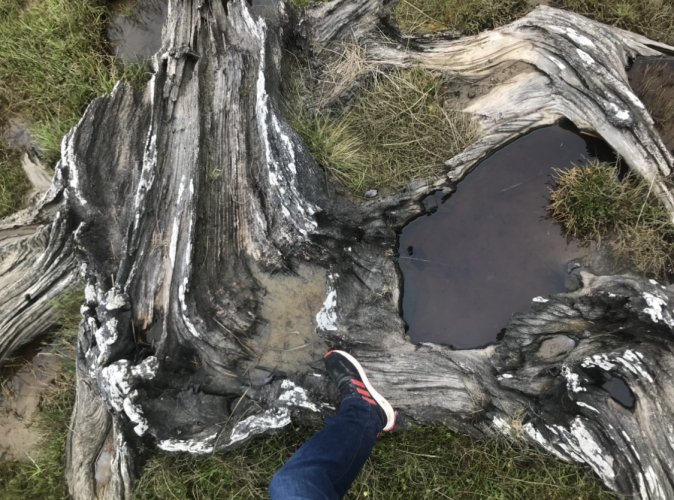
There are areas where old growth was much more common and dominant than it is now, and where fires were less prevalent. Portions of the PNW are a good example. I see plenty of huge old growth stumps with springboard notches on spawning surveys and fishing trips up and down the Oregon coast, and they still make me a bit stomach sick. See attached pic, that particular stump was one of many which resulted from an earthquake several hundred years ago, prior to European settlement, which dropped the terrain into a tidal flat and ultimately caused the trees to die. Old growth forests support quite a bit of biodiversity. In fact, I was recently kept company while seasick at Buoy 10 salmon fishery by marbled murrelets, look up the life history of those birds and try not to be impressed. A good book is ‘The Hidden Forest’ by J Loama, it focuses on the Oregon State University research team at the HJ Andrews experimental forest. Another newer textbook out is ‘Ecological Forest Management’ by Jerry Franklin, UW faculty.
That being said, much of our landscape, overall, was managed with intentional burns and plantings. When John Muir arrived in the Sierras he didn’t realize he was looking at someone’s garden. And that’s exactly what much of our landscape was - someone’s garden. In the Willamette valley a person would see fields of purple. So much purple it confused the early explorers who thought they were looking at water. This was camas, a staple flower/bulb for many indigenous people, managed with burns. Other tribes did prescribed burns to manage for giant milkweed patches which provided cordage. At campsites, nearby hillsides would be burned and wild orchards would be tended....huckleberry, chokecherry, salmonberry, etc. One thing preservationists got wrong, and still get wrong, is you can’t simply set aside most landscapes and have them preserve themselves. Same thing with some environmentalists who want to lock up large swaths of land and exclude humans. Many ecosystems need active, cognizant management, and this is something sorely missing from our landscapes today. Everyone likes to hunt, hike, camp, fish but then go home. Who is developing a meaningful, reciprocal relationship with the land and taking care of the garden?