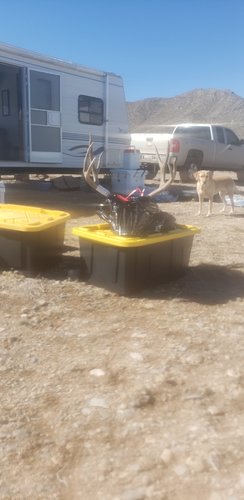
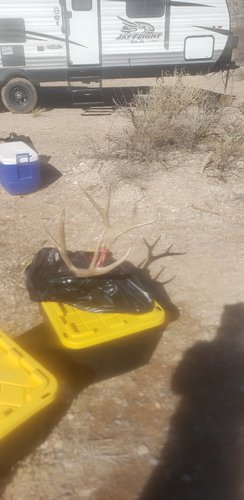
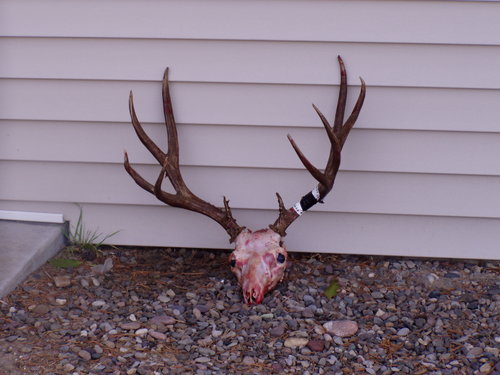
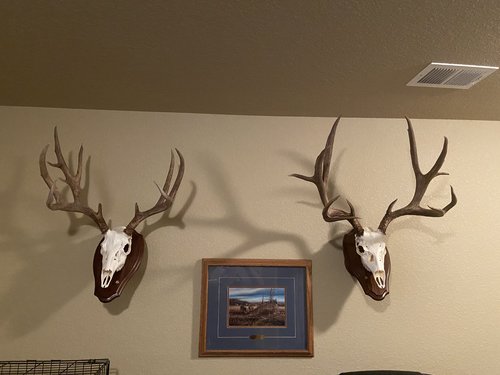
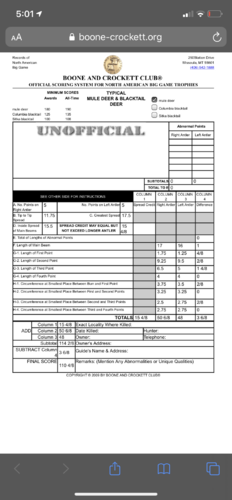
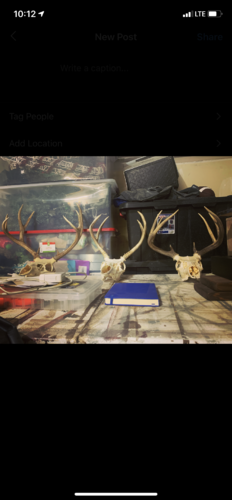
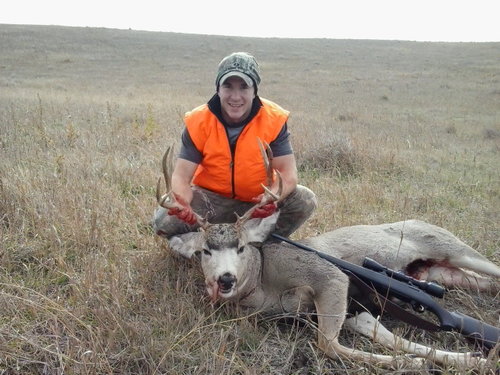
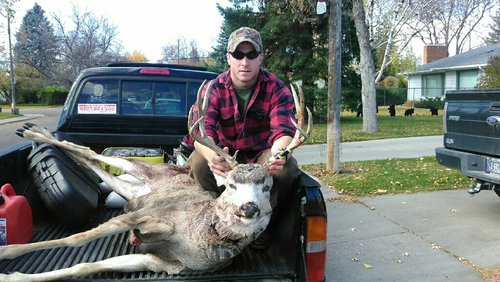
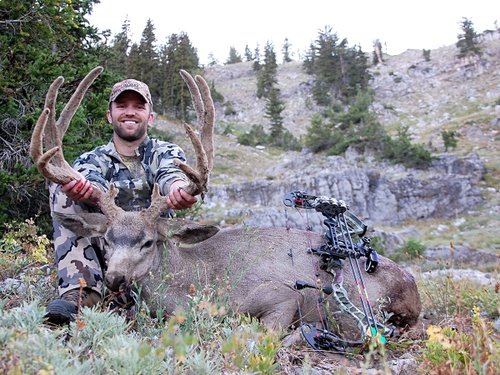
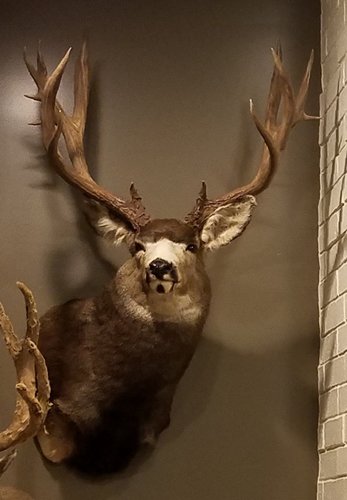
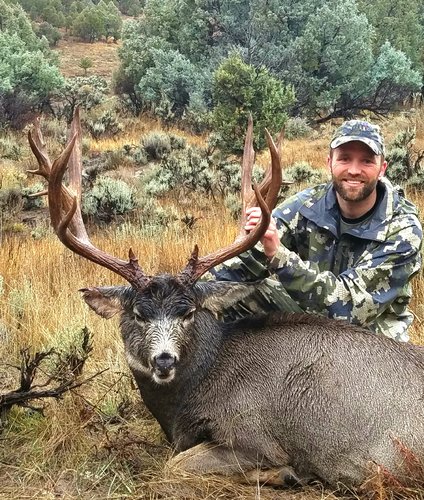
Yeah you’re telling me! What I look at is if the antlers are at the ears it’s roughly 17 inches. And based off that you can kind of judge how big they are. You can guesstimate math but if you want a quick field verification just see how wide the rack is and if it’s at or outside the ears and if the rack is square and the deer is pretty symmetrical than you can guess it to be around 130. And go from there. Depending on mass and deductions. The best score you can get on spread for the “spread credit” is equal to but not longer than the longest main beam. So based off that you take 17” let’s say if it is at the ears and then check mass, and figure that same measurement for both sides (at most 4 mass measurements depending on how many points), then do your best to measure each point. It’s not full proof but it’s helped me with a starting point in the field. I know that was kind of confusing so if anyone wants clarification I can take the time to explain it better. Basically I’m saying you’ll never get a perfect measurement through the scope until you put a tape on him but it will atleast help you know that you’re shooting a caliber of buck that you want and not something super small. Mule deer are a lot different than white tails because if you look at one of my pictures, that whitetail doesn’t have the spread of height of the muley but it scores 1” less than that muley.
a good thing I like to do is just google pictures of mature mule deer, try and size it up yourself and then find the actual score. When you’dsize it yourself worry about gross, don’t worry about deductions. Gross is what the actual size is, the deductions are only for b&c / p&y, to me they don’t make a shit because I don’t care if it’s symmetrical or not.If it is an old, high caliber buck than shoot it and do your part to help strengthen the heard.