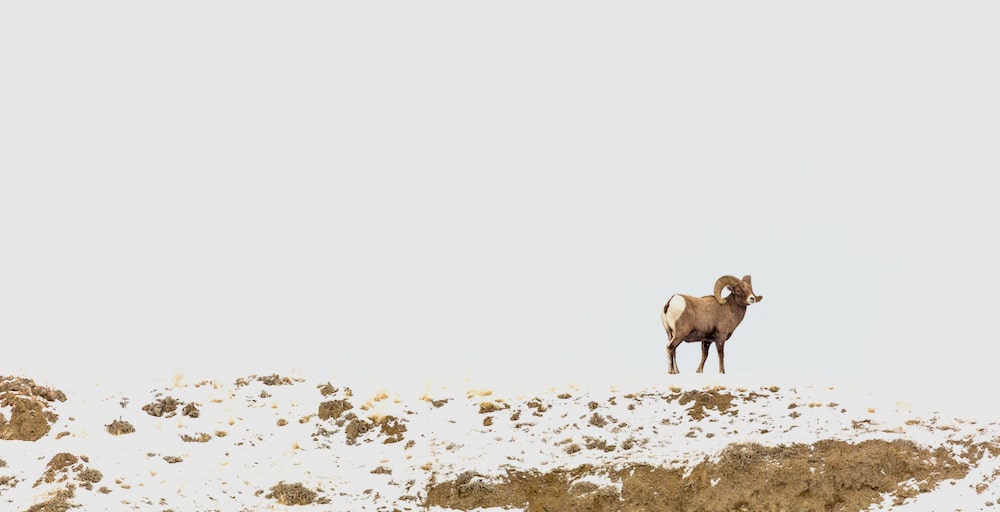
I don't believe there has ever been a successful repopulation after a big die-off. The Highlands in MT had around 500 sheep in the 90s they died down to around 50. I think there is about 150 today. I believe they augmented that herd after the die off as well. I also think their estimated population in 1990s population was low, much like the mule deer population estimates of that era.
I'm sure
@BuzzH and
@BigHornRam could spit some stats on the Rock Creek and Bitterroot herds but they also suffered significant die offs in the last couple decades and have not come back.
Virtually every herd in MT has suffered. This one is just the latest. The adjacent one will be next.
The only reason FWP gives ewe tags is to keep the population low to reduce the chance of transmission of disease. No way are they running out of available habitat. There used to be 100,000 wild sheep in Montana. That habitat is still there, and could support another 95,000 sheep... Shooting ewes isn't because they ran out of habitat.
They don't like to relocate sheep due to transmission of disease between herds. They can carry many other diseases which they have built immunity too, while the native herd they're augmented into have not.
IMO, believing we can manage domestic sheep and goats to eliminate transmission of Movi is a fantasy. That idea to test and quarantine was floated in Alaska where we have around 6-800 domestic sheep/goats. It got very little support by the domestic owners and many became quite hostile to the idea. They just don't care about wildlife. If you think people will do the right thing, we'd have 100% compliance for vaccination and licensing of dogs, yet it's around 50%. What makes you think sheep/goat owners would be any better? The only reason brucellosis is managed for cattle is because it costs the ranchers money. It has nothing to do with transmission to wildlife.
I used to think if sheep were listed, they'd have a chance. I don't anymore. I honestly don't think they have any chance of surviving short of developing natural immunity. Even a vaccination for pneumonia for wild sheep will have limited success.
@BigHornRam does Jesse have historical population data for the Madison's? Because much of that habit in those images you posted had sheep in it 60-70 years ago. My family and their friends hunted them and killed them. They also suffered big die-offs in the 1960-70s and only a few small pockets survived in the Hilguards and Spanish Peaks. The Madison herd is one of the few last surviving herds of native sheep in Montana that have not been augmented. IMO, building that herd will result in yet another massive die off. Wishful thinking, but you'd think they would have leaned something from the last 50 years of "conservation."
MT's sheep population is back where it was in the 1960s. All those efforts and all we have is the same thing we stated with. There was nearly 350-380 sheep permits given in the early 90s. It's what, 140 now? All those studies, all that information, all that effort, all that backslapping auction tag "conservation" money... What have we got to show for it? A 1960s bighorn sheep population. They could have done nothing and been in the same spot. Who knows we'd probably be better off because they wouldn't have spread the disease all over the place via relocation efforts.
I can't wait to hear the excuses from the Wealthy Sheephunter Foundation Kool aid drinking crowd. I'm glad they're passionate, just imagine if they were actually successful.
It's painfully obvious none of them or biologist have an answer or we see some sort of success in the last 50 years... Maybe they just need more time and money?