Who did they BUY it from? They got deeds? Papers? Can they prove THEY didn't take it from someone? Did they survey their borders? Did they recognize folks on the land prior to them? How EXACTLY did a culture that didn't believe in owning the land, OWN THE LAND?
Im always curious how history started with western expansion. Almost as if there wasn't anything before that?
I'm not an expert on history of real estate titles in America, but I suspect that these became recognized lands with the Laramie Treaties of 1851 and 1868. The United States had two choices;
1) Expedite the settlement of the west via treaties, which meant recognizing tribes, their ownerships, and their sovereignty, and keep what had been taken from tribes to date. This satisfied the heavy political interests of railroad, timber, mining, and cattle barons, as it allowed a faster development path and lowered risks;
or
2) Continue to fight the tribes, knowing the US would eventually win, paying a price in lives of soldiers/settlers and a great financial price in opportunity costs that would be borne by the industries whose grand development plans would be put on hold until such time these pesky tribes could be exterminated from the landscape.
A business decision was made and Option 1 was chosen. When the US did that, the tribes' rights were defined and recognized under law. Many violations and renegotiations happened after that time, but with the tribes that are part of these water settlements of Montana, I think your question is answered by going back to the Laramie Treaties. I suspect that answers the question of how the rights to this land came to be recognized under US Law.
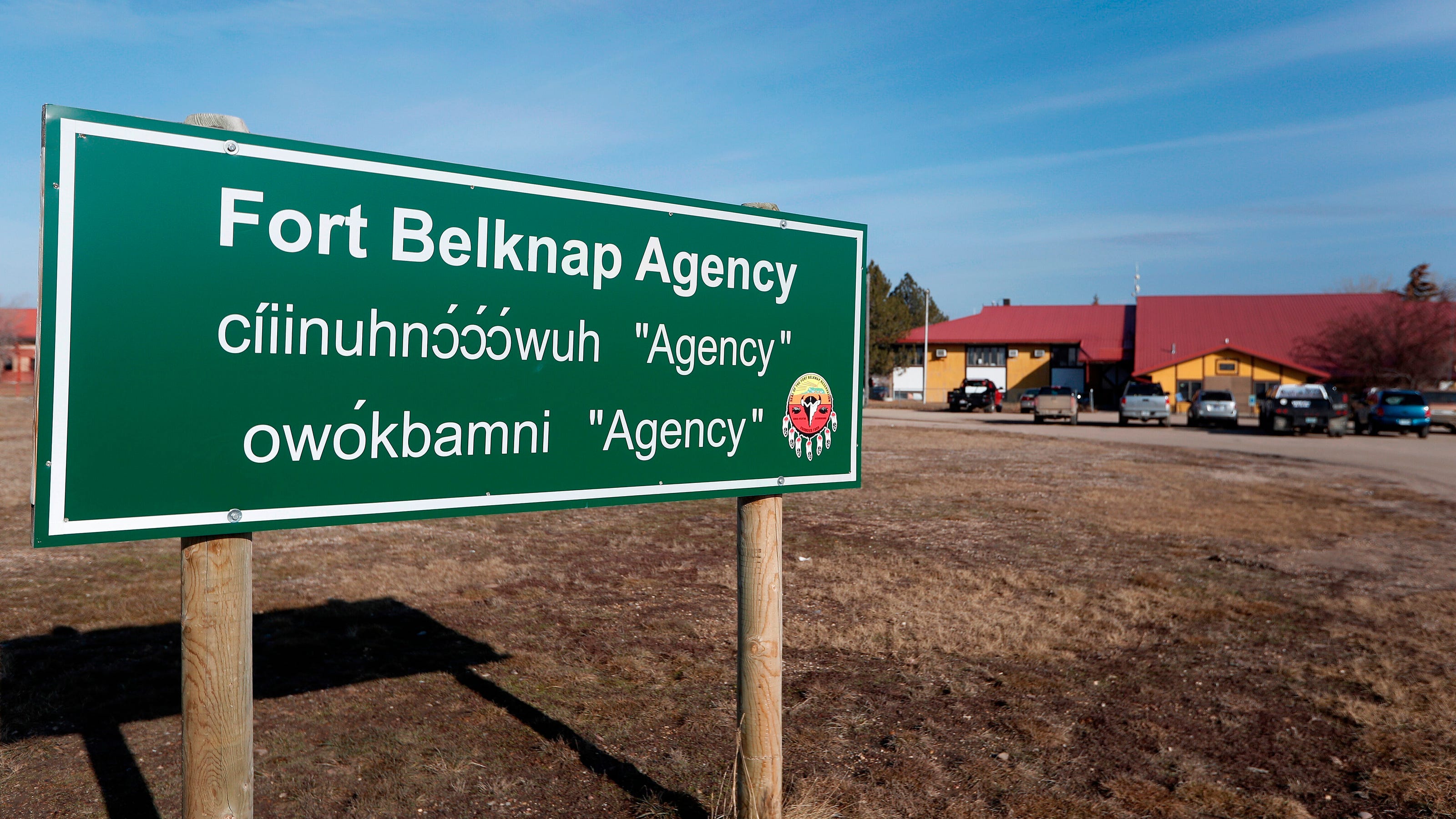
This settlement is a hard one to swallow if you use these public lands or you are a landowner who will now be surrounded by tribal lands. Yet, given how long this has been outstanding and the history that has been presented as part of this settlement negotiation, the pain of this settlement could be a lot worse for public land users. It is my understanding that this settlement has two aspects; 1) Water rights settlement from a 1908 USSC case, and 2) Land settlement from the 1895 negotiations.
The water rights portion is from a 1908 US Supreme Court Case that ruled in favor of the tribes, but not yet solved. Yeah, the court decided in favor of the tribes over 100 years ago. A century later, the tribes have not been made whole as it relates to the water rights. This settlement is supposedly the solution to that 1908 court ruling.
For the land portion at issue, history shows that this tribe sold 40,000 acres to the US Government in 1895. George Bird Grinnell was one of the people who helped negotiate that sale. The US took over 68,000 acres, though only having paid for 40,000. The land portion of this settlement is to repay 14,000 acres of the 28,000 that was taken and not paid for by the US Government.
As much as this sucks, if someone bought 400 acres from me and they took 600, I would want the other 200 acres back. I wouldn't want money. I'd want my land back, not just 100 acres, but all 200. In a nutshell, this is what happened here, albeit on a much larger scale.
Do we want to go to court and fight over the land portion of this deal, likely losing 28,000 acres of land we currently enjoy as public? Or, do we give back half of that 28,000; the 14,000 acres that are part of this settlement? Given the USSC has already ruled in favor of the tribes in 1908 over the water rights, and given the trend of courts to side with tribes under the basis of these old treaties and negotiations, is litigation a risk worth taking?
I hate to see any loss of public lands. I wish it could be settled with cash. But, if the tribe doesn't want cash, how do you settle that? Keep their extra 28,000 acres and tell them "Too Bad," knowing you will be in court? Given how courts have upheld Treaties that recognized these rights of the Tribes, a lot of folks experienced in these matters think the US might lose, providing the tribes with the water rights at issue, lots of money, and 28,000 acres of land (rather than the 14,000 in this settlement).
I've talked to R and D politicians about this. As seldom as it is that they ever agree on something, they seem to agree that this outcome is better than what it could be if the courts decide. It sucks, but it is also a reality that is hard to ignore.
If someone has better/more history to how we got to this point, please chime in. I'm going off notes from a couple years ago, so I could have some things wrong or incomplete.