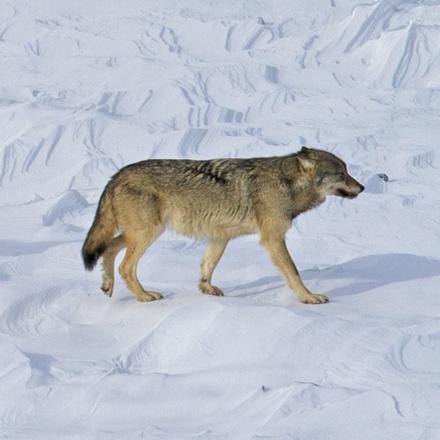
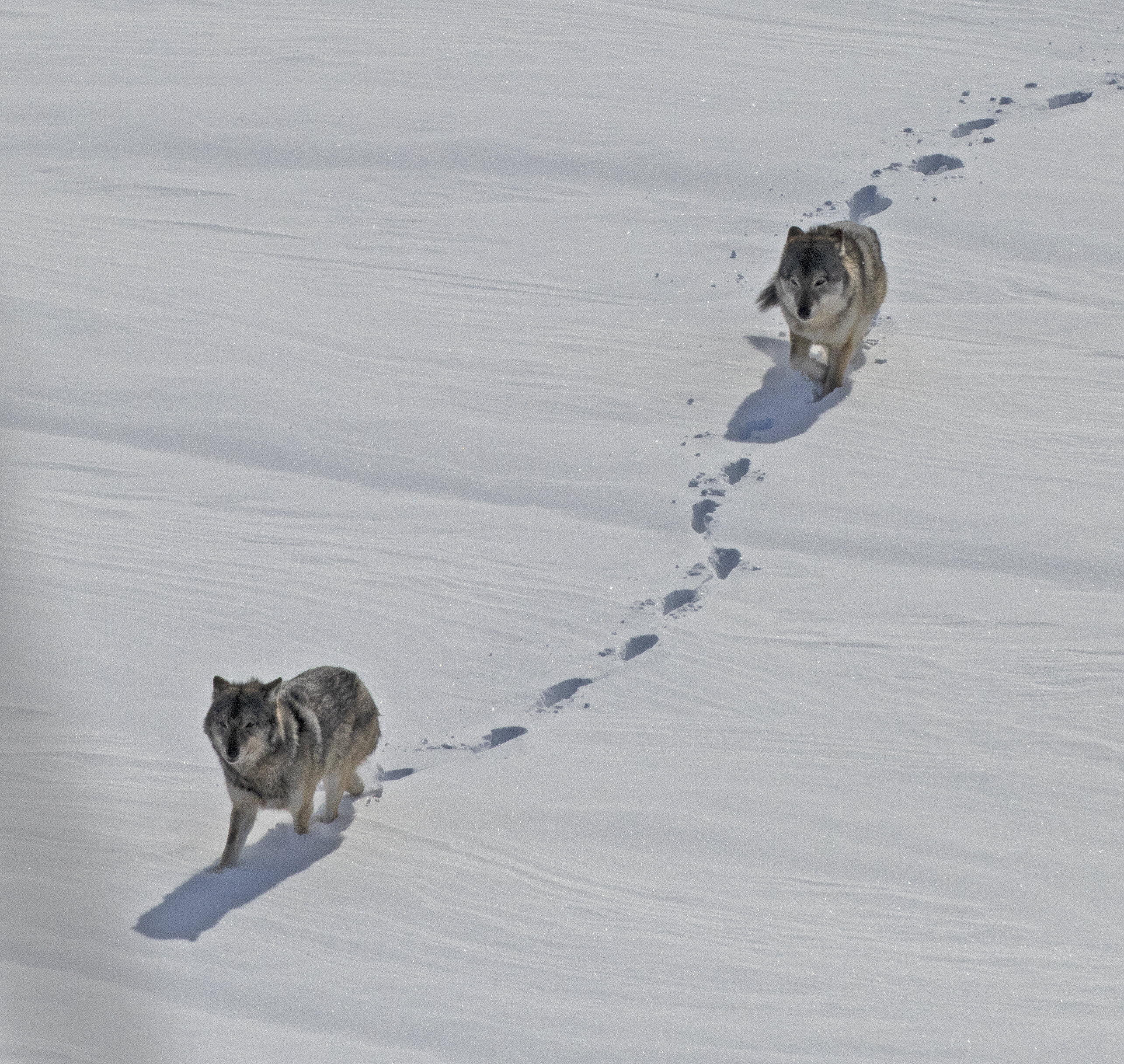
First, neither the wolves nor moose are native to the island. Originally it had woodland caribou. I edited a Jesuit mission translation project from mid 19th century and they noted the natives hunted "deer" exclusively on IR (whitetails are a very late arrival in that area). Near as can be determined, settlers brought moose over sometime in the early 20th century. Story has it they were transported in the mail steamer. With no predators and the mining boom ended, moose numbers skyrocketed until they had literally grazed the place down to bare rock and were starving by the hundreds. Wolves apparently smelled the stench of carrion and crossed the 25 miles on ice during a cold winter. Since then it's been a roller coaster of mutual booms and die offs of both species. More recently the wolf population went into serious decline in spite of booming moose numbers. They determined the wolf gene pool was too small and inbreeding was taking them out. That's about the time I left the US Park Service ten years ago. The quandary was whether to let nature take it's course and turn the island again into a stinking moose graveyard or introduce some fresh wolf blood (totally "unnatural"). Sounds like tourism outvoted the "natural way" if there's that many wolves today. When I left the NPS I seem to recall the number was less than six. My preference would be to get rid of both species and return the island to caribou habitat. But not sure that would work well with tourism industry. Woodland caribou don't do well with a lot of human contact. Isle Royale is certainly a peculiar management situation.





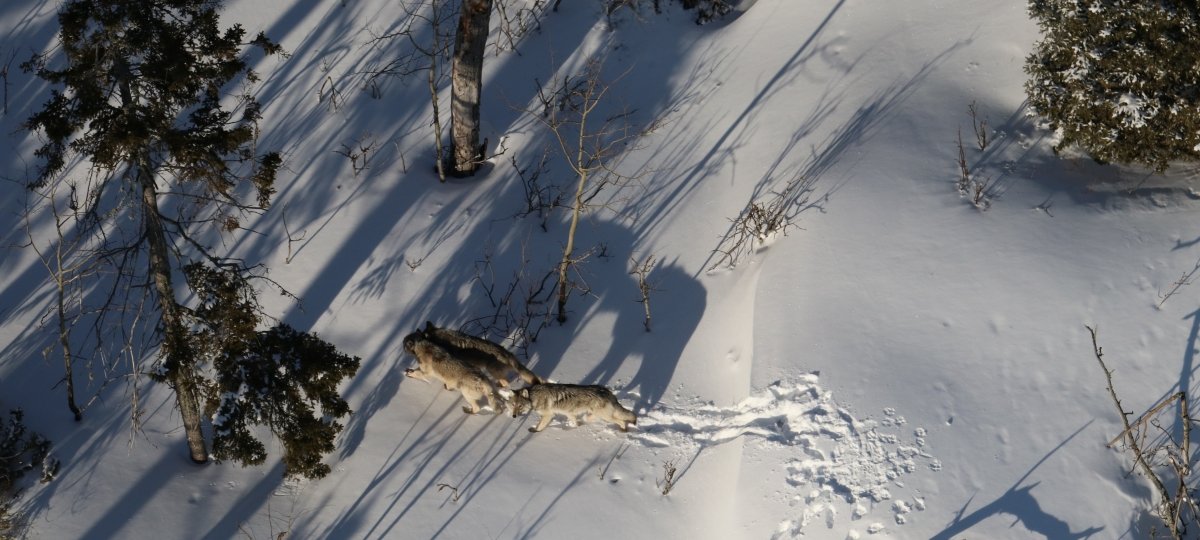


 (not arguing for a hunt over DNR study, but accessibility is not the real issue)