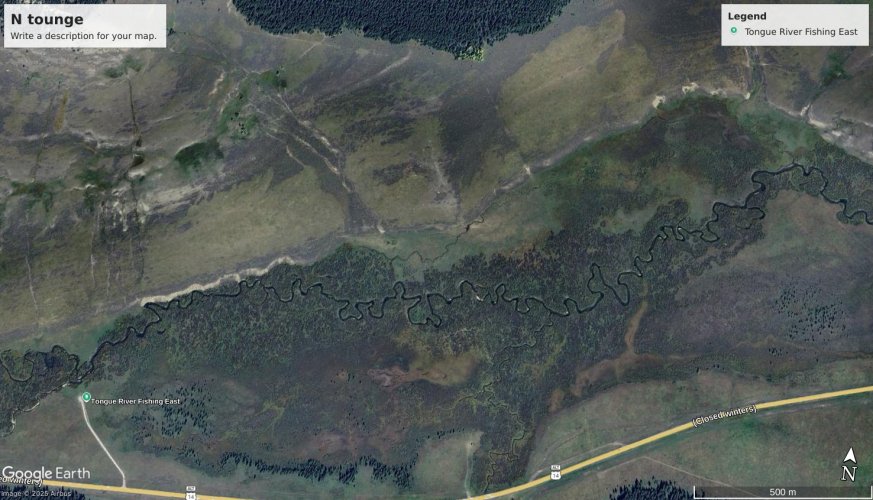
Livestock grazing is the single most damaging force on public land streams, particularly those of lower gradient. Riparian shrubs, where present, hold streams in place and resist damage, and over time these shrubs are commonly reduced by grazing , leaving grasses to hold streambanks. Then streams are widened by bank sloughing and can often be downcut. Cattle concentrate in riparian areas because they are generally flat and vegetation stays moist. It is not uncommon to see dry upslope vegetation lightly or untouched while riparian areas resemble a golf course, or worse. Heavy grazing over time reduces productivity and root mass, and compacts soils.
Unfortunately, public land range staffs are short handed and will likely be even more scarce in this Administration that is seriously reducing field-oriented personnel. To make a strong overgrazing case, solid vegetative data must be gathered and documented which is unlikely given the present staffing. Plus many range cons would rather face an occasional hate letter re overgrazing than upset a local rancher. Local politics can be nasty. Frankly, after my experiences doing in depth analysis of the current grazing systems on other Forests, including lack of solid updated vegetative analysis, monitoring design, and actual monitoring, there is little hope for change, short of successful legal litigation. While we can whine about those "environmentalists", the agencies only seem to respond if legally forced to change.






 www.facebook.com