I don't have any cool pictures of elk yet to share, but I have been doing some scouting, and the early summer is a fine time for hiking. I figured I would share some facts about the hunting district, since it has some pretty interesting history and geography.
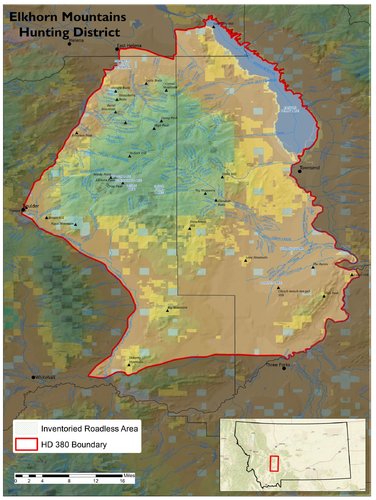
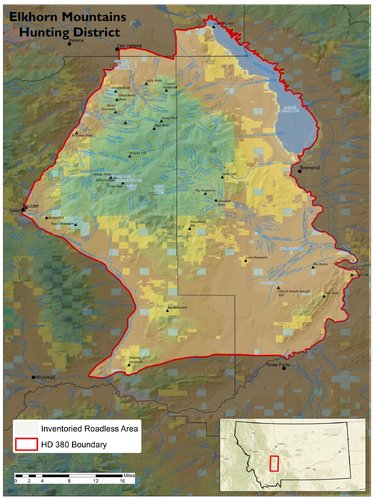
This map was reduced in size when attaching it, so you can't really see the things I wanted you to, but you get the idea.
Hunting District 380 is mostly comprised of the Elkhorn Mountain Range and surrounding valleys to their midpoints.
Quick Facts:
- Highest Point: Crow Peak 9,415 ft
- Lowest Point: Canyon Ferry Dam 3,800 ft
-The district is 728,127 Acres in size and public ownership is broken down as such
| Ownership | Acres |
|---|
| USFS | 160,700 |
| BLM | 93,888 |
| State Trust Land | 20,624 |
| Bureau of Reclamation | 3,296 |
- There are 75,400 Acres of inventoried roadless area
- 1 Wilderness Study Area
Quick History:
The Elkhorns were not always a prized hunting area, and were once an overhunted, over-roaded mess. From FWP,
"In 1987, concerned about the low number of branch-antlered bulls, Montana Fish, Wildlife & Parks established a “spike season” in the Elkhorns. Any hunter can shoot a yearling (spike) bull, but to shoot a mature bull or a cow a hunter must apply for a special permit. The regulation allows more bulls to grow older and produce larger antlers. Today the Elkhorns are world renowned for trophy elk, and the population contains a biologically healthy mix of young, middle-aged, and old males."
As an ecosystem they are managed for wildlife as a Wildlife Management Unit (WMU). This is pretty cool, and is an interagency coordination between the BLM, USFS, and FWP, so that their management strategies align. The WMU was formalized in 1992. Prior to the 1990s and following a large fire in 1988, the Elkhorns were in disrepair. In 1992 a large landscape analysis was performed by the agencies. The three main findings of that analysis were:
•The full diversity of wildlife habitats has been compromised by the loss of vegetative diversity due to the influences of historic livestock grazing, fire suppression and other variables;
•The full range of wildlife should include recovery of native wildlife populations such as bighorn sheep and westslope cutthroat trout; and
•That mining, grazing, recreation and other human uses of the Elkhorns have compromised wildlife value
Knowing this, they moved forward on fixing these things through different strategies, and as someone who just plays in the mountains and isn't educated on land management, I think they have done a good job. It's a special mountain range.
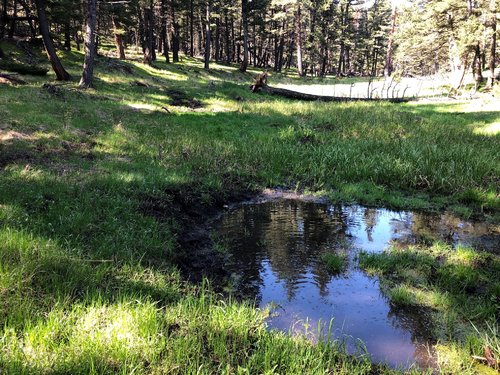
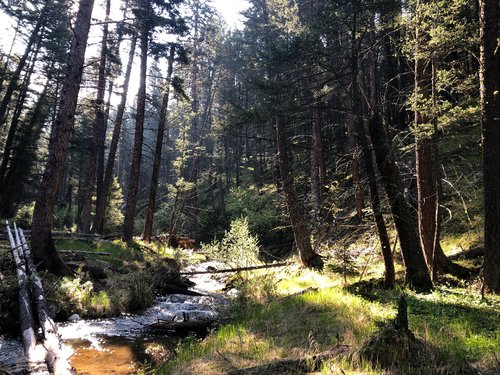
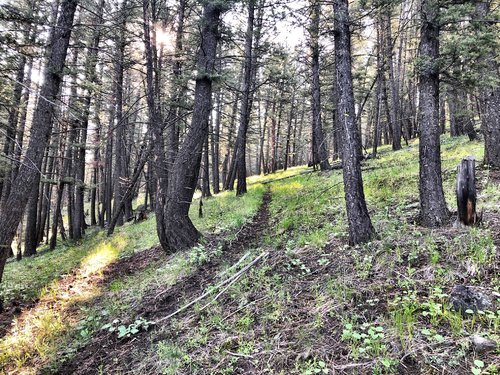
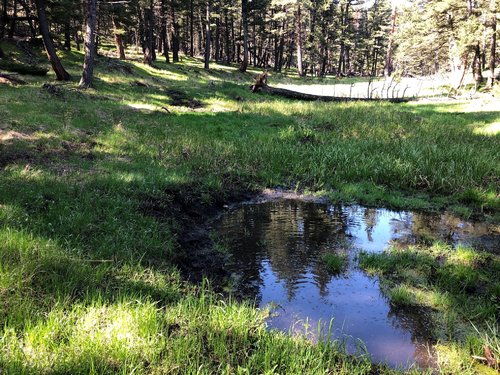
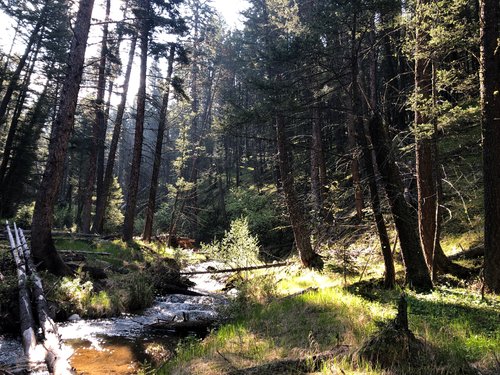
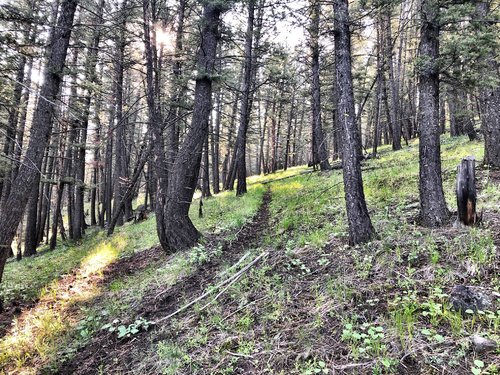
I did a big hike and set up some cameras Saturday. Here's some photos from the day.
A wallow that looked great.
Untrammelled and seldom-visited
Elk trails that look like dirtbike single tracks
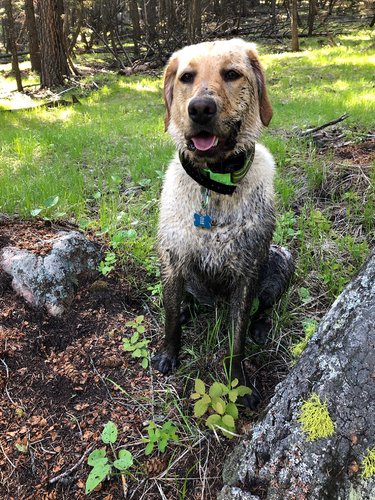
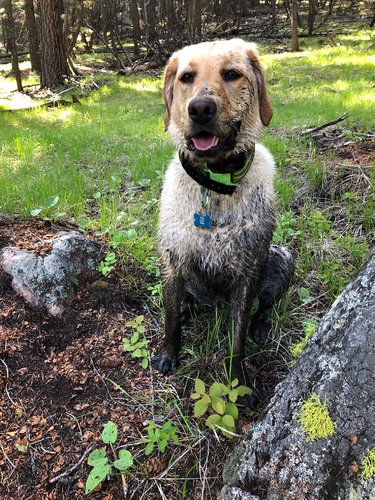
A dog that wallowed where the elk do too
Hopefully I'll have some elk photos soon. I know that is what folks wanna see.