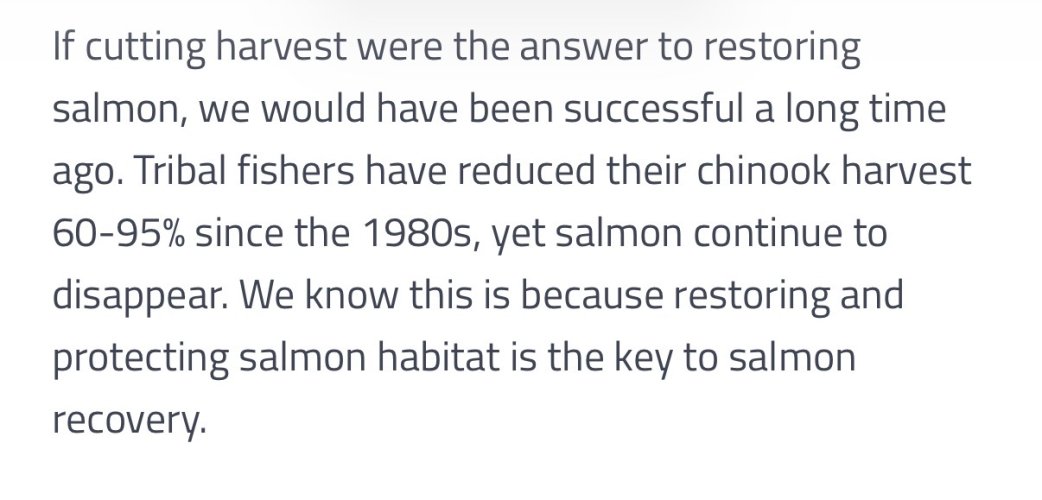
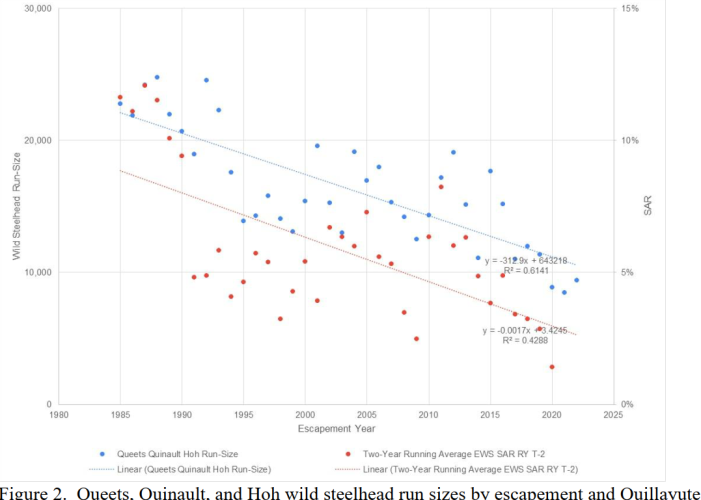
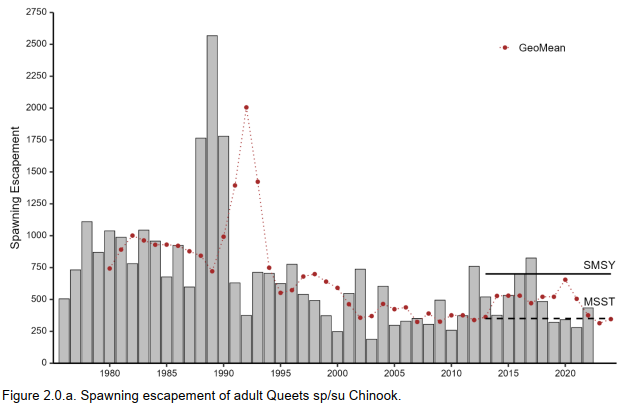
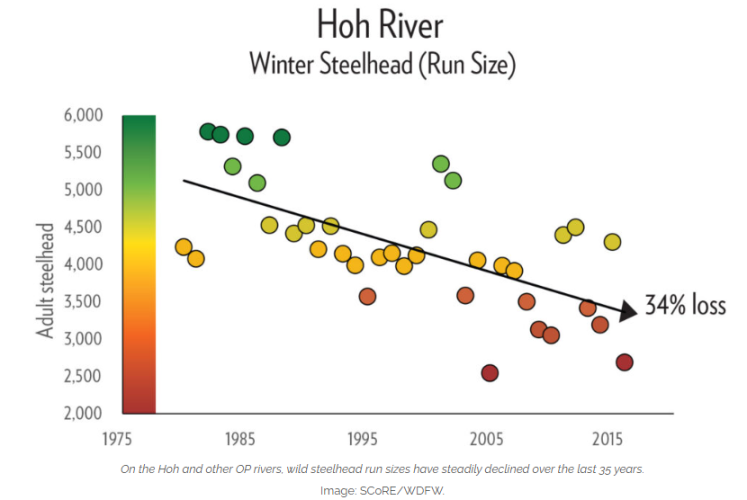
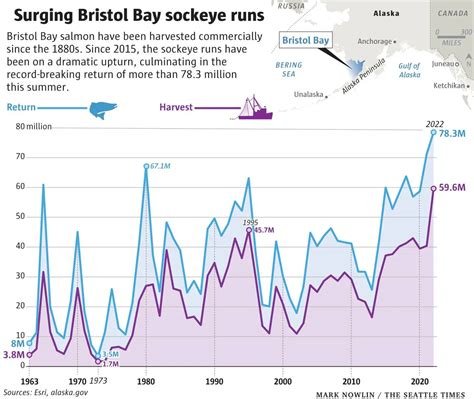
I'd like to say I'd love to see that data, but that would be an enormous amount of data to look at, because it would take an enormous amount of that data to change the minds of many fisheries biologists and tribes (that I'm familiar with anyway) who believe a combination of habitat, harvest (including ocean), climate change, and more are largely responsible for declines, and in varying ways for each watershed, limiting factors for recovery. Not a single issue, all of them together.
Putah creek in California is a pure freshwater habitat restoration example with clear results linked to habitat restoration: record return of 2100 Chinook last year from an almost extinct run. In a nutshell they provided water, targeted spawning gravel placement, and floodplain reconnection. No need to go looking in the ocean for mysteries when we can take care of rivers on land and get results. There are probably hundreds, if not thousands, of similar degraded spawning tribs just like Putah creek all over the west.
There are tons of other examples to show freshwater habitat as one of the limiting recovery factors. It depends on what you define as success. Improving redd counts, even dramatically, in one section of river doesn't mean all of the Parr / smolt will survive the other problematic pinchpoints in the river.
Anyway, appreciate the conversation! Cheers.