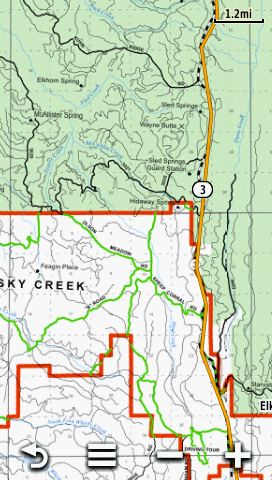
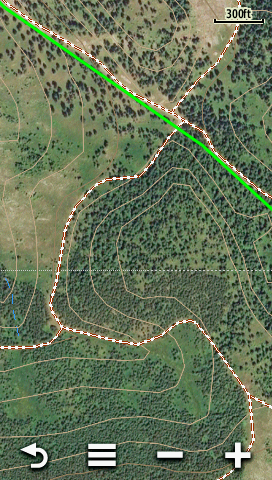
I don' think where I'm coming from is based on misconception so much as it is based on a significant bit of backcountry field experience combined with a lot of modern technology. Cell/smart phones are fragile creatures prone to easy deaths in the backcountry. They are constructed with thin housing and screens that turn brittle and break rather easily - even when contained in the likes of an Otterbox or Lifeproof case. To my point, one of the articles you posted in your response ( the
www.advpulse.com piece) speaks to exactly what I am saying in terms of the handheld GPS device being superior in terms of durability and having a longer battery life with prolonged use. When I'm headed into the backcountry for 10+ days you had better believe I am taking the more durable and efficient device in as a first choice and the less durable device as a backup. Cell phones are great for short hunts, there's no doubting that. Combined with their overall technological capabilities and recharging capabilities from some of the solar chargers on the market, they can be downright tantalizing to rely on. But, they are in my experience, a fair weather technology with limited durability that equates into limited reliability in the field. GPS units have their technological shortfalls, but they make up for it in terms of backcountry durability and reliability.
I recommend carrying both a GPS device and a cellular/smartphone with quality mapping software into the field as well as a map and compass. Remember, Murphy is always lurking...
Cody
Now this is a backpacker.com article that has recently had my mountaineering and hunting amigos in stitches...
http://www.backpacker.com/skills/three-things-you-need-to-know-to-take-your-cat-hiking/






 so I can keep my glove on!