


What to do on a couple rainy days

drahthaar

Active member
Joined
Sep 26, 2006
Messages
1,711
Location
Kalispell/Helena, MT
May as well build a camera I can't use. Have the parts, just git r dun.

For the guys that were asking about building them, you will get much more detail on camtrapper.com, but here is the jist.

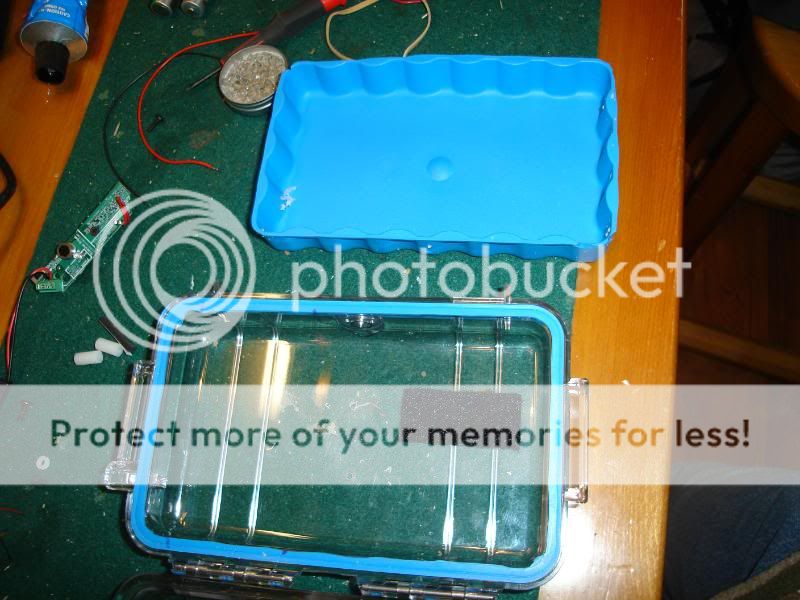
Start with a pelican case. 1040 gives lots of room, I build some in 1020, and even one in a 1010 ipod case.
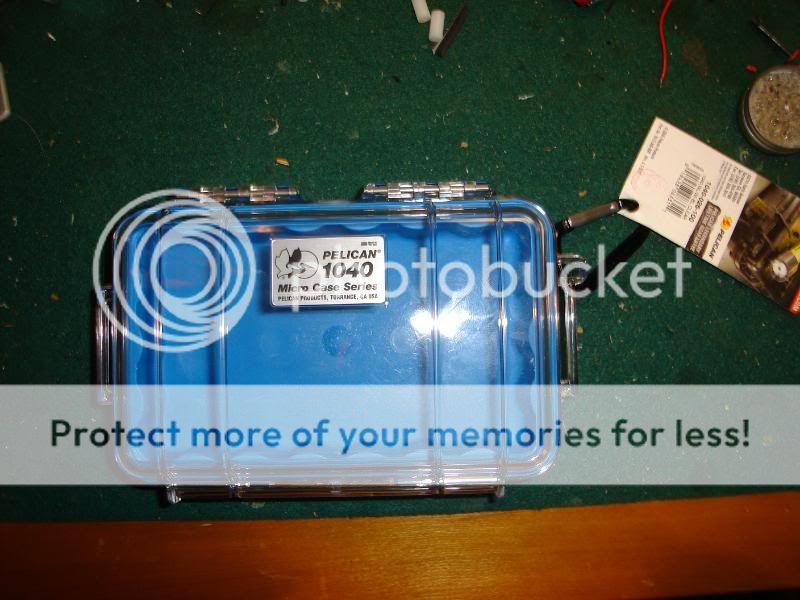
cambuilding005.jpg


cut the fancy liner out, but leave the seal to keep waterproof.
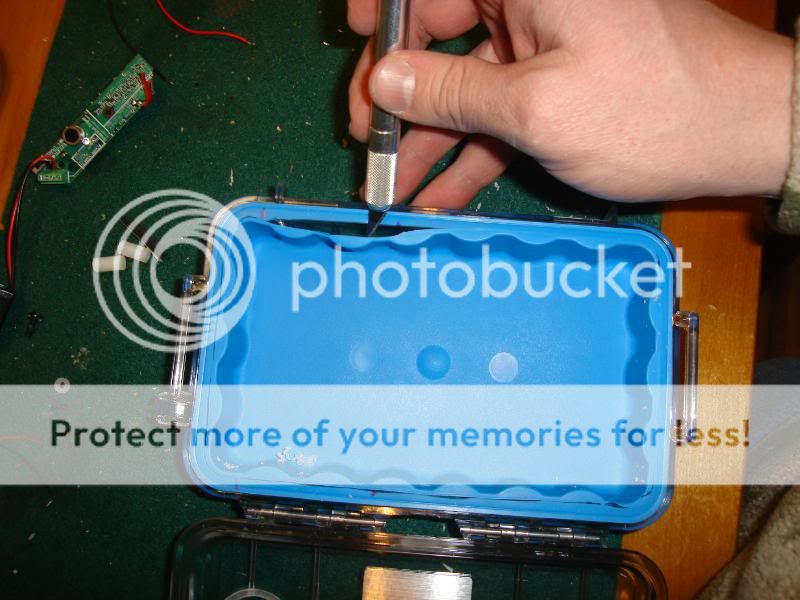
cambuilding009.jpg


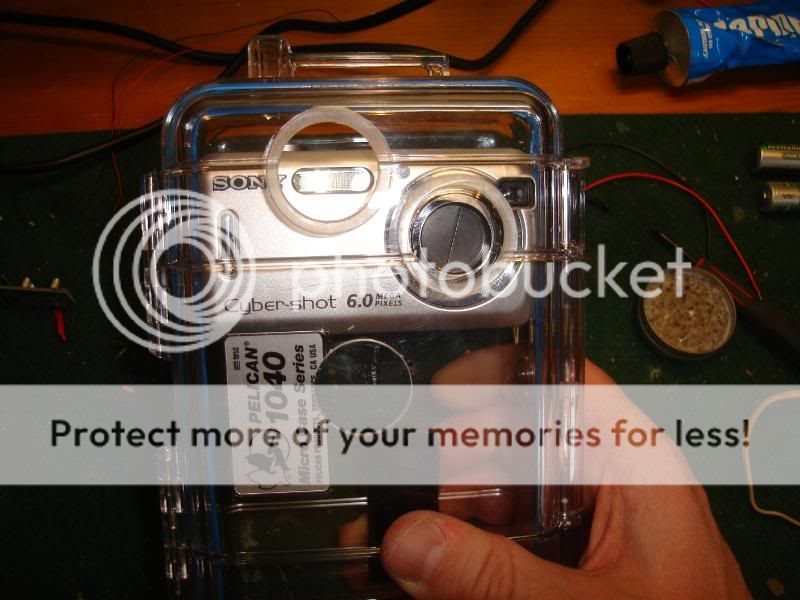
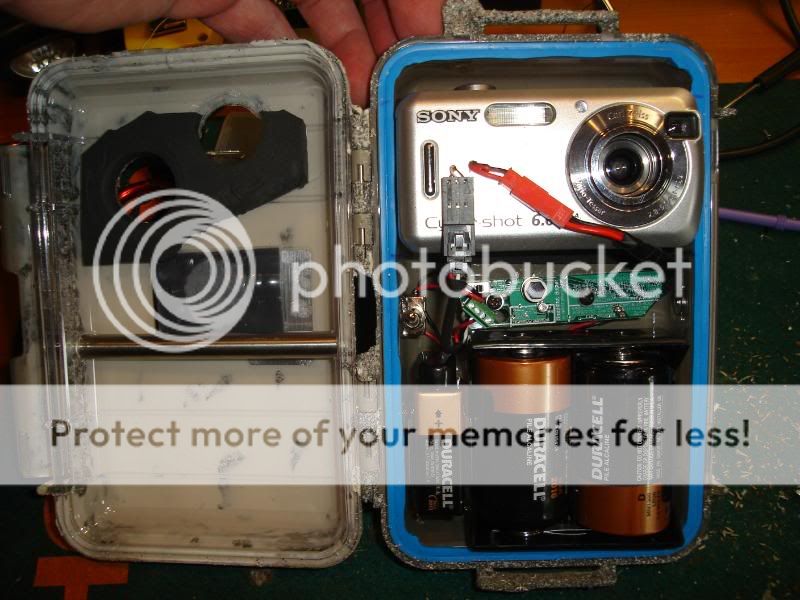
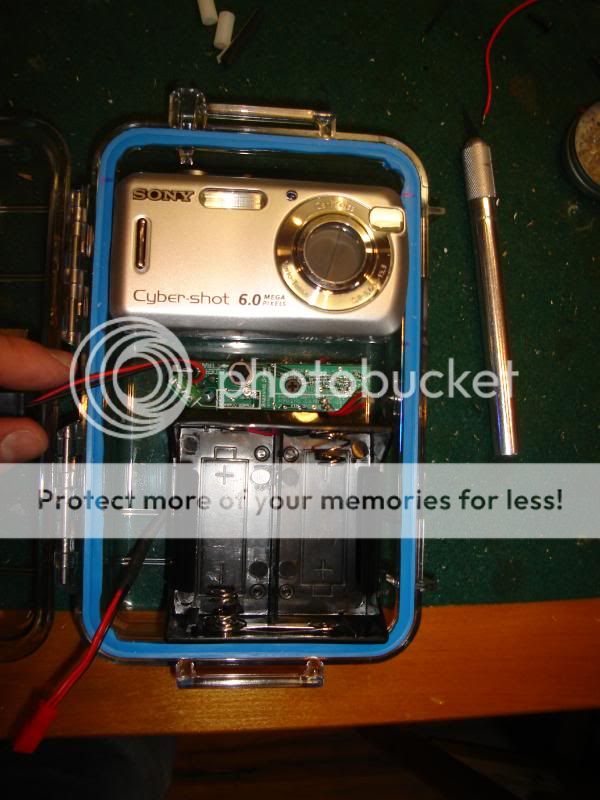
I want this one to be a super long life cam. I have 2 D cell holder to push the two rechargables in the cam. Get Your cam, board, and extra batts lined out where you want them.
cambuilding011.jpg

cambuilding010.jpg

I like to velcro the battery holder in the case, so it isn't flopping.
The board is a Simple Sniper, from snapshotsniper.com, very small to allow extra batts.
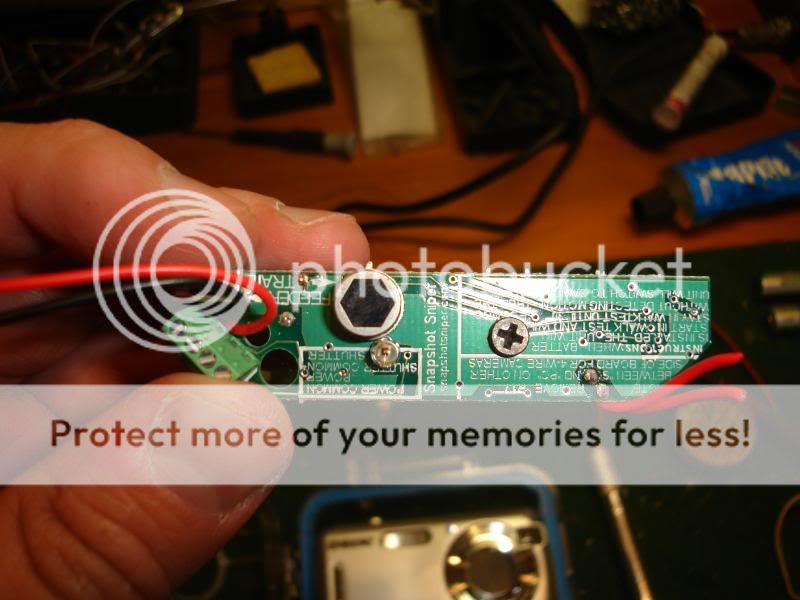
cambuilding013.jpg
 
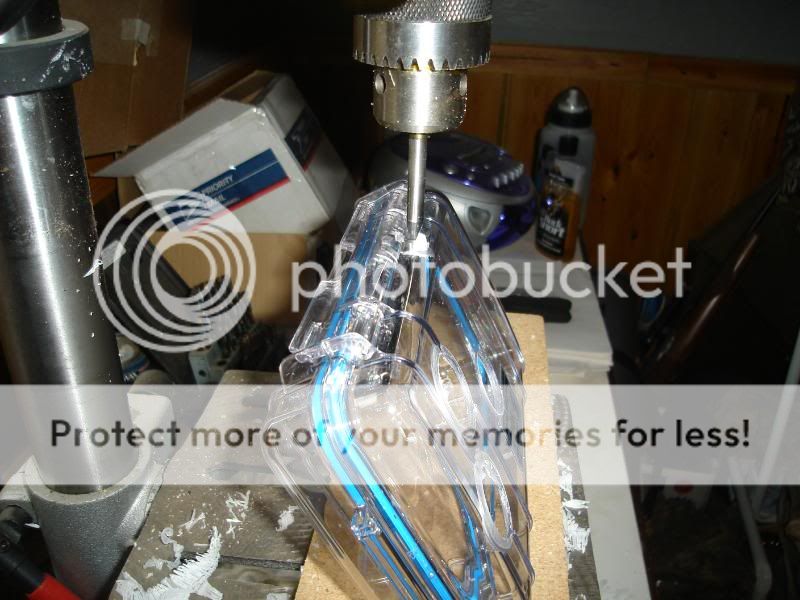
You need to drill out the holes for the lens, flash, and motion sensor. The glass circles are 1.25", so I use forstner bits to countersink them, then punch out the center with a 1" bit.

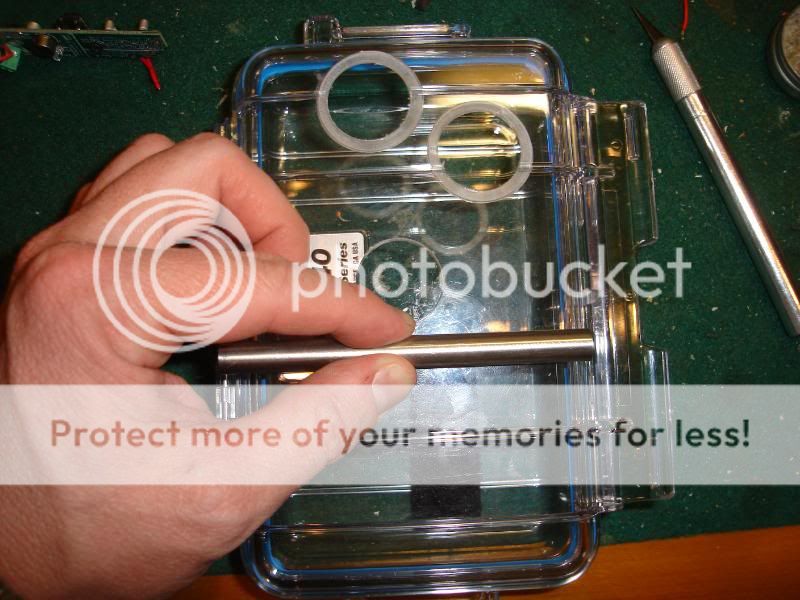
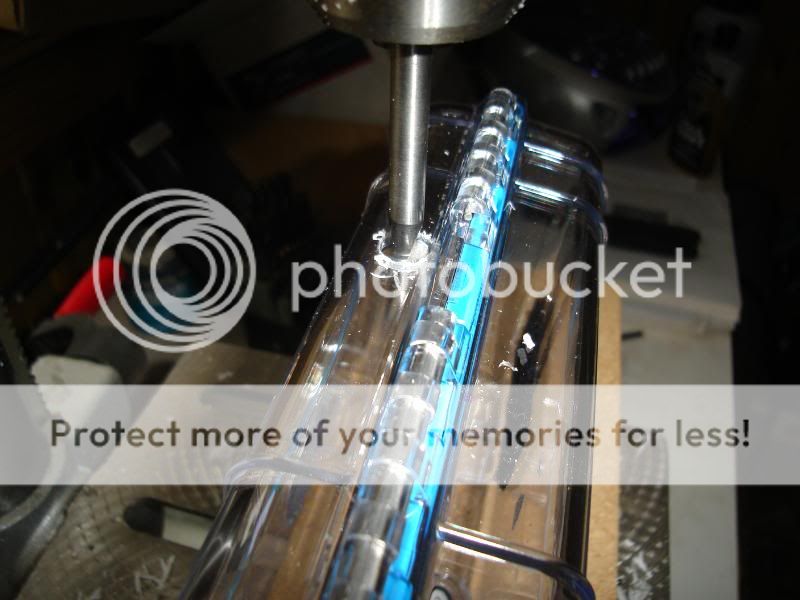
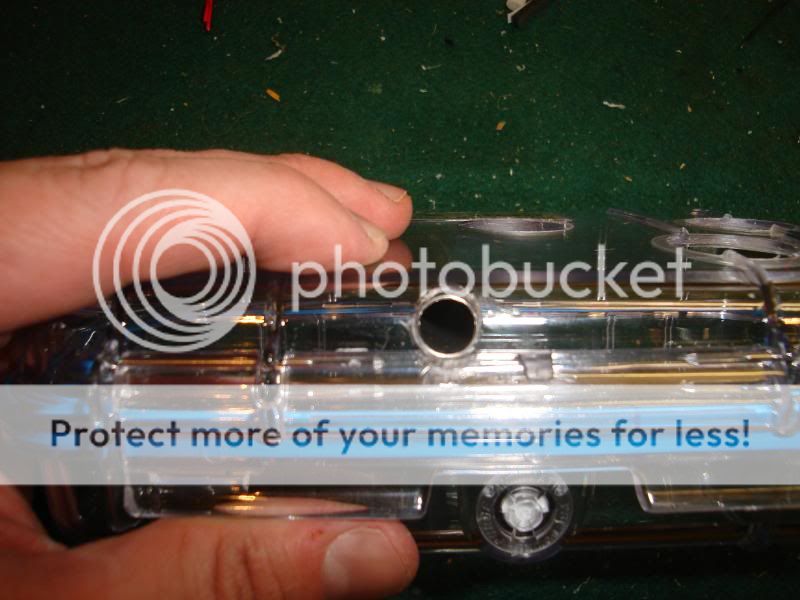
For the pipe through, for the python lock, facing the cam out the lid is tougher, but there is still room to drill the lid, better than liquid nailing the pipe on the outside IMHO. The pipe requires a 3/8 inch bit.

cambuilding015.jpg

cambuilding017.jpg

One side.
cambuilding019.jpg

Then the other, you have to take out a little of the latch.
cambuilding020.jpg


cambuilding025.jpg


This will take you about 1 hour.
 
For hacking the camera, there are really in depth tutorials on camtrapper. But here are a few pics.

This camera is a 6 mp sony s600.

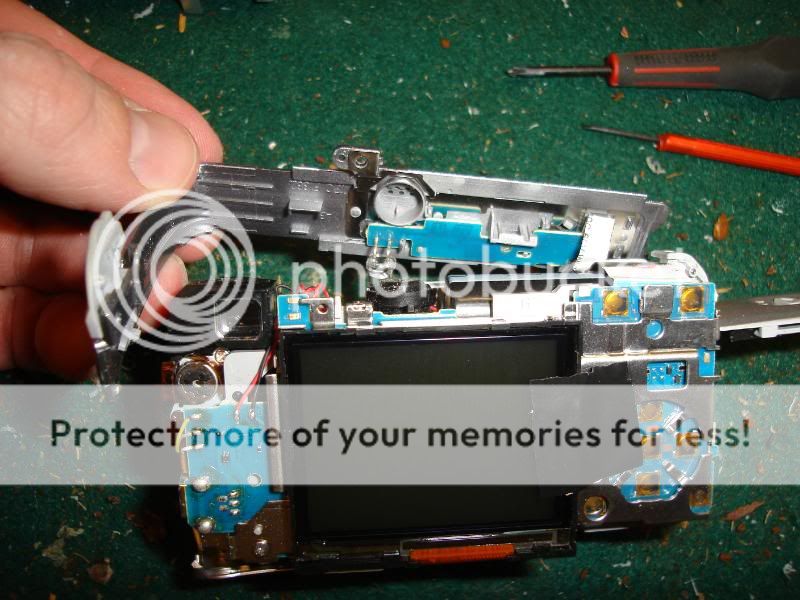
Take off the four screws, 2 on bottom, 1 under battery cover, 1 under usb cover.
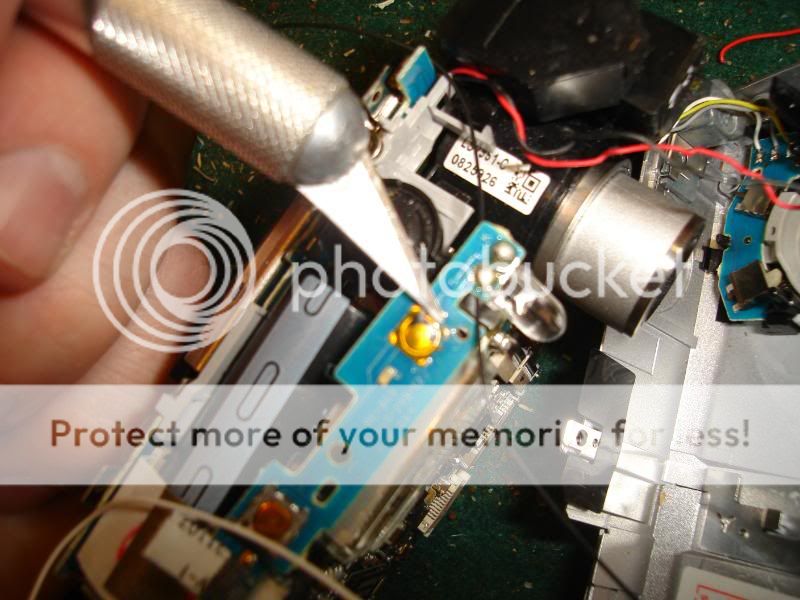
pull the back off, then the middle strip(where the power and shutter wires get soldered to.

cambuilding027.jpg


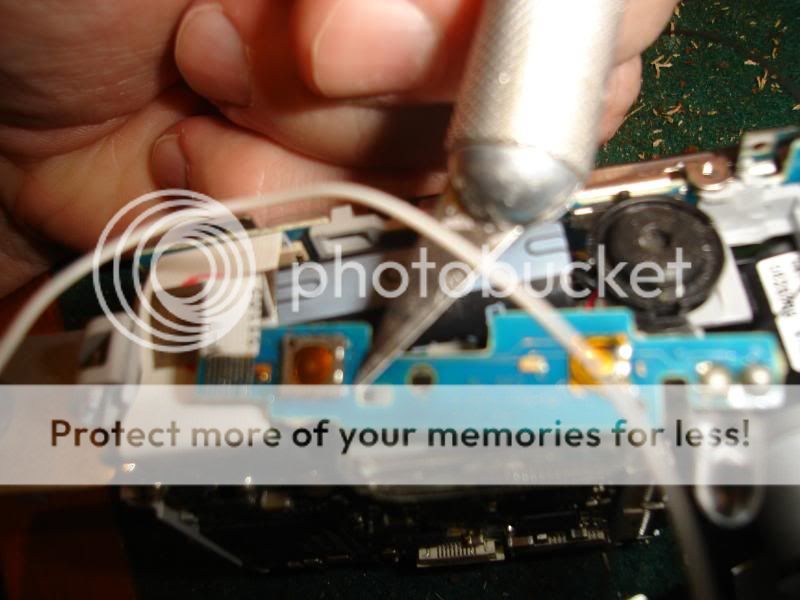
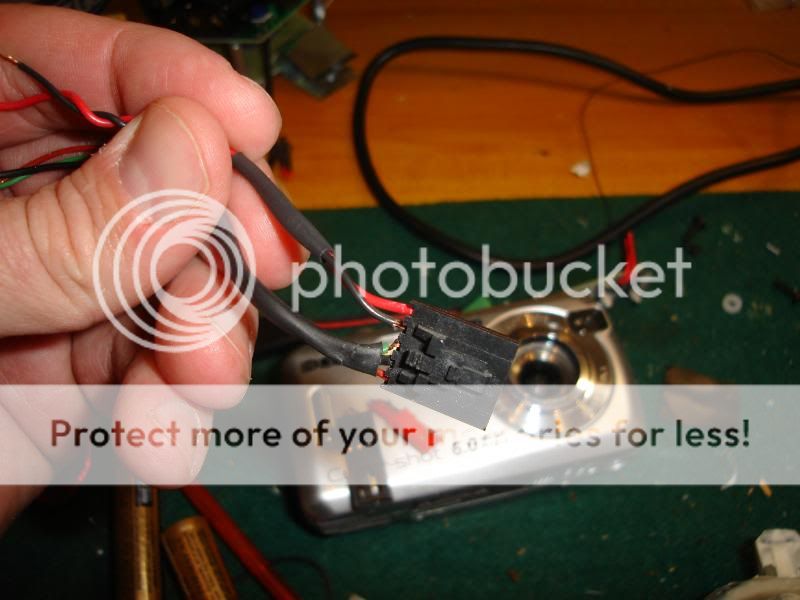
These are blurry, but you can see how small the contacts are, you need a fine solderer.One for shutter and one for the power.
cambuilding028.jpg

cambuilding029.jpg


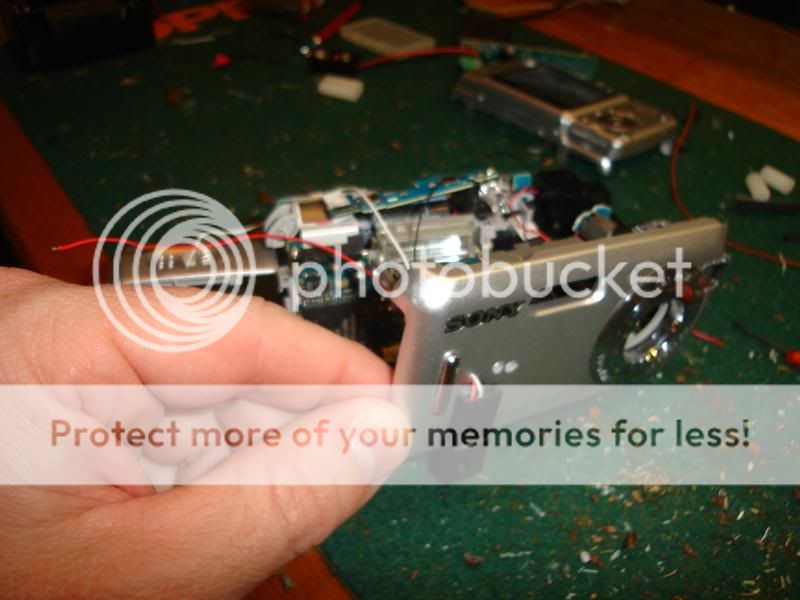
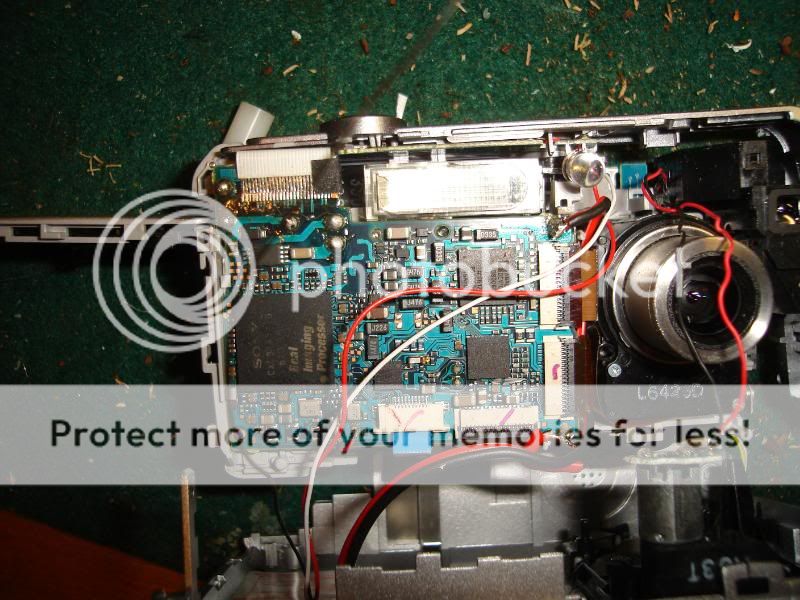
Then you pull off the front to run the wires through the front of the case. Just drill through the front part of the case and get the wires through.
cambuilding030.jpg


There is also a hack where you put a stereo plug in the tripod holder, it looks very clean and professional, but it doesn't work when wiring extra batteries.

It seems daunting, but there is only a power, shutter, and common you need to solder, normally. This one has the two extra pos and neg wires for the external batteries.
cambuilding031.jpg


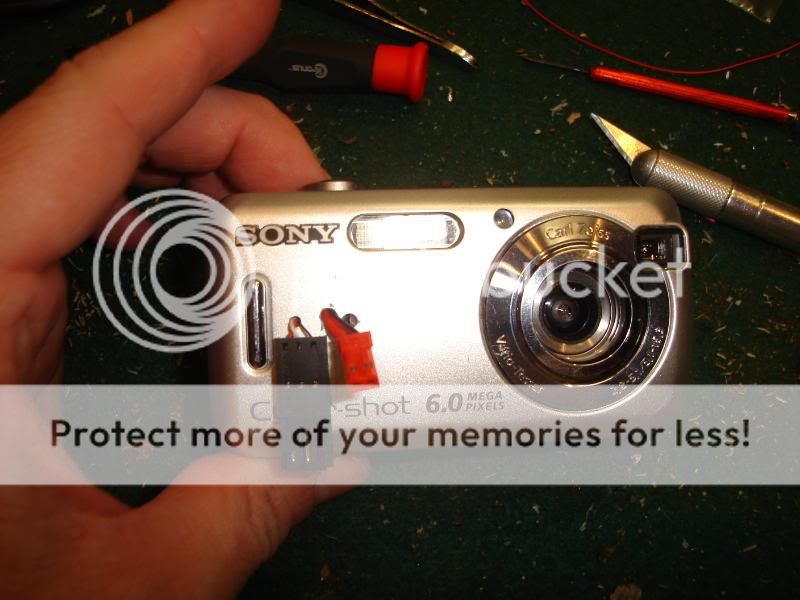
Get the cam back together, and test the hack.

cambuilding032.jpg


There is also 5 wire servos for having it all in one plug, I just did two because I may not want the extra power if I can check the cam easily.
cambuilding037.jpg
 
I would have a better chance of calculating the deceleration rate of the space shuttle on re-entry than trying to build one of those cameras.

Cool stuff Draht,but there is a reason I have an office job. That kind work looks pretty daunting to a bean counter.
 
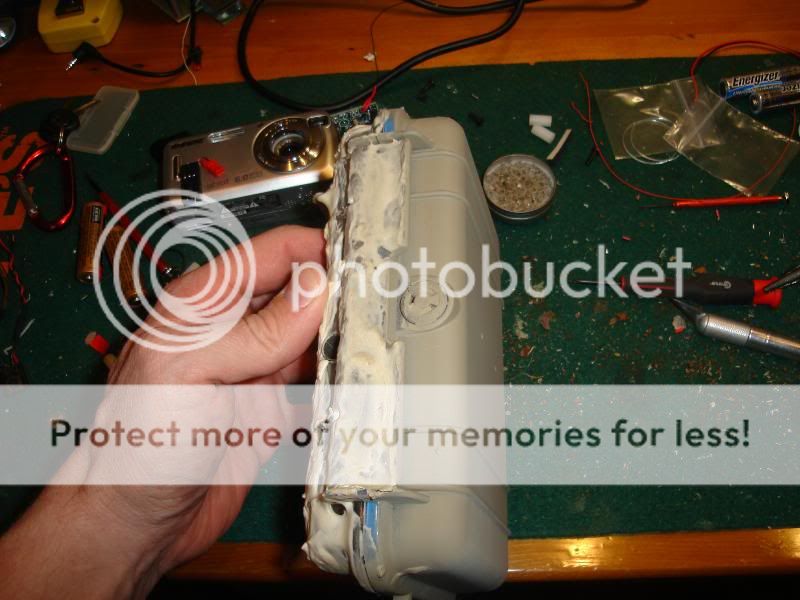
Once that is done, it gets kind of fun. You get to plan what kind of camo you want to do. I like covering the case with liquid nail, making some sort of half assed textured pattern on there and painting it, to look like bark, or something close.

You can buy fancy dipped pelican cases, but they run over 30 bucks for dumb things. This clear case, I got for 17 on ebay.
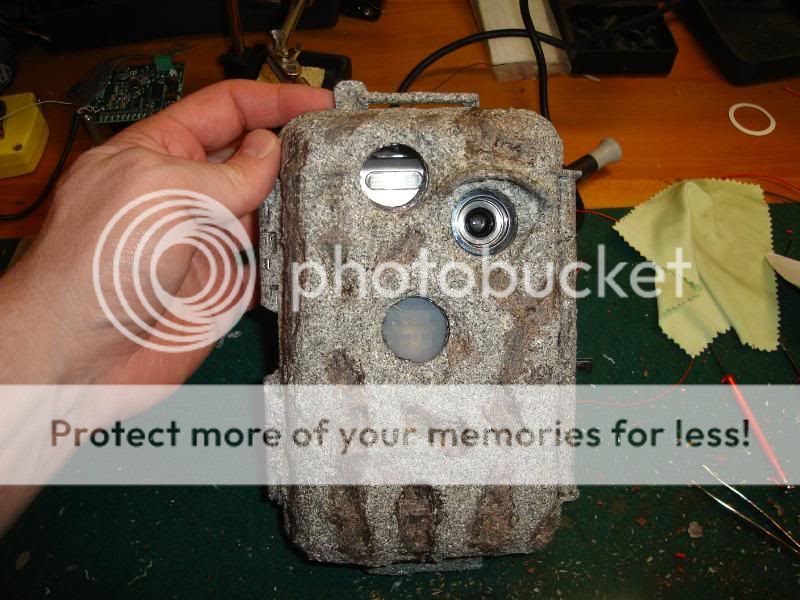
I find that these paints you can get at wally world, with the texture work pretty awesome.

cambuilding040.jpg


The back of the case is just painted some flat color.
cambuilding038.jpg


I guess I forgot to get a pic of the liquid nail. Just slather it on and let it dry, the thicker you make it, longer it takes. Mine took 3 days.(they changed the chemical makeup of the stuff, used to set up in 24 hours.)

I don't drop my glass circles in until its painted and dried. You use marine Goop to clue the glass circles in,

But here is how this cam came out. Pretty good, I went much lighter this time.
cambuilding004.jpg


cambuilding007.jpg

cambuilding006.jpg


Once the glass is in, you put in the glass, the foam(to keep flash bleed out), the fresnel over the motion senser, and drop in the board, batteries, and cam, turn it on and cross your fingers.

cambuilding003.jpg


Yeah!!!!

This one took about 3 or 4 hours over 3 days to build.

Now, I have just one more board for one more cam.

Like I said, there are much more detailed tutorials, I just wanted to show the guys that were asking what the jist of it was.

camtrapper.com, snapshotsniper.com, yeticam.com, archerytalk.com(in the bowhunting area)
 
Last edited:
I would have a better chance of calculating the deceleration rate of the space shuttle on re-entry than trying to build one of those cameras.

Cool stuff Draht,but there is a reason I have an office job. That kind work looks pretty daunting to a bean counter.


Trust me, if I can do it, anyone can, I am a biological science major.

I never soldered a dang thing, before I tried one of these.

I know it looks crazy, but its fun and addicting. NOBODY builds just one.
 
Last edited:
Thanks for the info! I have an older camera that needs replacing and this might be a good way for its 'retirement'...
 
I bet if you worked it right, you could set this up to take infrared pictures too. I saw something floating around online where you can take video cameras and remove the IR filter (or use "night mode" on some sonys) from the lens and it can pick IR light. Seems like you've got this down to an art now, and I'm not sure eliminating flash is worth the time or worth risking your hardware to play around with.

Also, I'm curious as to how the voltages work out on this. In the pictures I see a 9V and a couple 1.5V batteries. Does the motion sensor run on 9V and the camera run on +-1.5V, or do you have this in some sort of series combination?

I would have a better chance of calculating the deceleration rate of the space shuttle on re-entry than trying to build one of those cameras.

Cool stuff Draht,but there is a reason I have an office job. That kind work looks pretty daunting to a bean counter.

I've got a soldering iron now, if you want to use it.
 
yes, the 9v runs the board, the 2 Ds run the cam. There are 2 rechargeable AAs in the cam. The alkalines will in a sense keep them charged. I really don't understand it, I just follow directions from those that do. It was always said never mix NiMH with alkalines, but some guy on the old camera forum tried it out, didn't blow up and burn out anything down, so we all do it.

I really don't know why I didn it, just cause I had the room. There are rechargeable batts called Eneloops, they are like alkalines but can be recharged, and they don't lose 1% per day just sitting on the shelf.

you can also do IR, there are several cams that you can easily take the lens apart(the s600 is not one of them, its impossible to get it to focus afterward), pull out the polarized glass, replace with clear glass, or just leave no glass, then just put an IR filter over the flash hole. The only thing you can see in a perfectly dark room is the little red blip if you are looking right at the cam.

I just don't like IR personally, it really cuts down on flash range, I am always after nice looking pics. I haven't seen where animals freak out or run from a flash. Elk I think actually like it. Whities, maybe the biggest oldest bucks might avoid the immediate area, you could argue about it all day.

The pics come out with a pinkish hue, but you can just edit them into grey scale.

runyote.jpg
 
That's pretty cool. Seems like you've spent a pretty good amount of time researching and working on these things.

I think I see how the D's work with the rechargeables. It isn't so much that the D batteries charge the rechargeable ones, but I would bet the D's would take more of the load. It sounds like the D batteries are in parallel with the rechargeable batteries, so they each provide the same voltage but the D's provide more current to the camera.

In any case, it works, and seems to work well.
 
Cool stuff! I imagine you have made quite a few of those. Is it more for the cost savings or quality that you got into it?
 
very very nice draathar. i have the same sony in the one i built but i dont know how to wire in those 2 Ds to power the camera. would you mind pointing me to directions?
 
Electronic circuitry is like chinese algebra to me...nice work. I'd bet you could paint a pretty cool looking rifle stock as well.
 
Cool stuff! I imagine you have made quite a few of those. Is it more for the cost savings or quality that you got into it?

Actually both. Although now, the commercial cams have really caught up, IMO. They make them nice and small now, long battery life, color day/ir night, all for about 200 bucks.

You still don't have the picture quality of homebrews though. And now, guys have even hacked and are using the lastest Sony W cams, 200, 230, 280, 290, 12+ mp. But their lens barrels extend so far, you have to build out "snorkels" on the case to accomodate. I haven't even bothered, I know what will happen when the first bear walks up to it. at least with the flat front they can't do to much damage, make poke out the frenel or crack the glass.

Used cams on ebay have really gone up in price with so many people building now. That is where the build price can vary so much. I just am not paying 80-100 bucks for an old used camera. But I had a couple cams I got for about 40 bucks each, and I won the two boards in some photo contests, so this cam only cost me about 80-90 bucks to build.
 
Last edited:
That is very cool!! You could give me all the time in the world and I wouldn't be able to do something like that. Very impressive!
 

Latest posts

Forum statistics

Threads
118,029
Messages
2,177,469
Members
38,422
Latest member
DYLW
Back
Top