



Irrelevant
Well-known member
Pat Ford did a good 4 part series last summer as well.This popped up in my news feed and it was a good but sobering read. Hard to imagine the 10s of thousands of salmon that used to come 900 miles into Idaho.
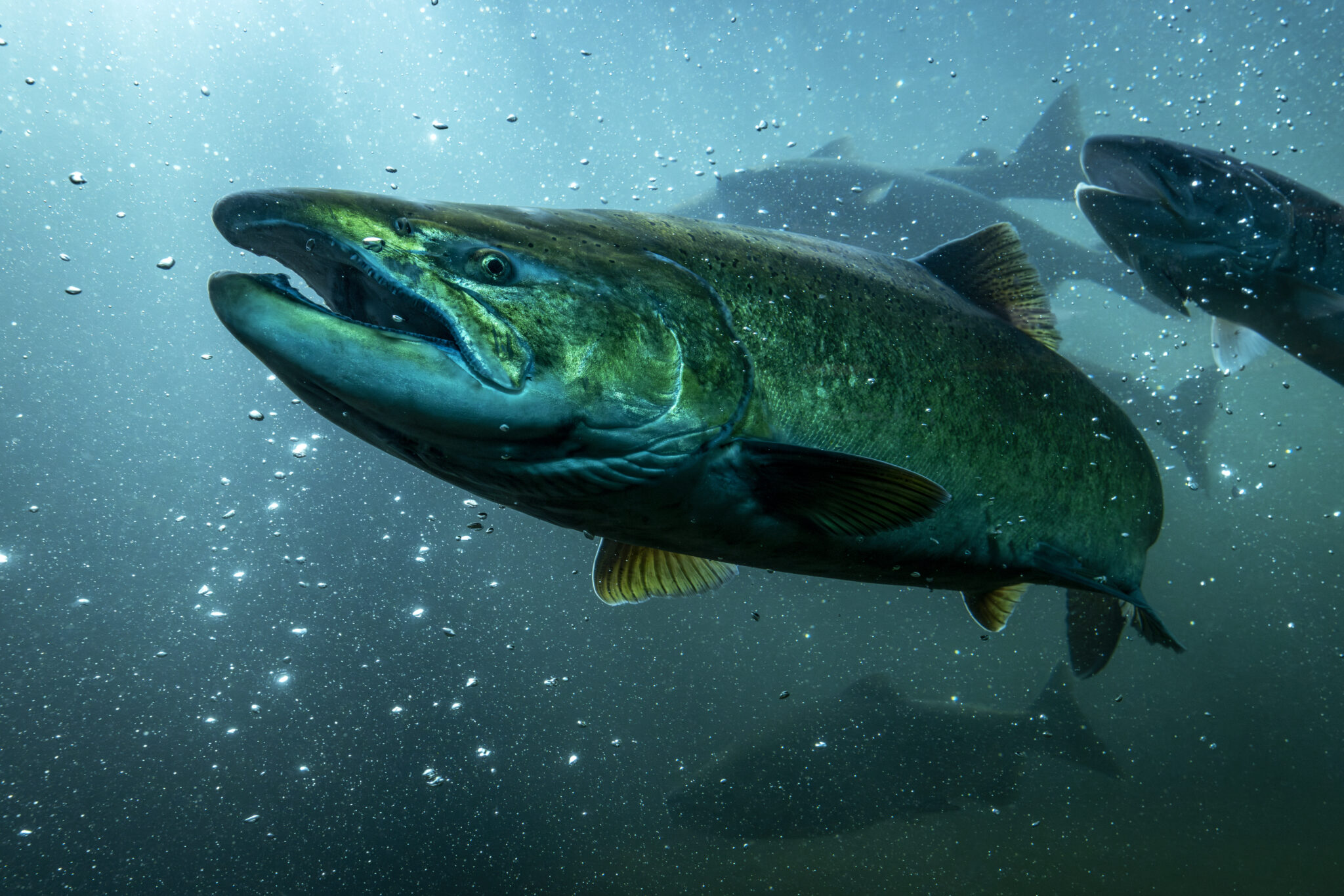
Salmon and steelhead extinction threshold science, and the ocean fish of northeast Oregon • Idaho Capital Sun
For Pacific Northwest steelhead and salmon populations, we are entering an extinction momentum that will be difficult to escape, writes Pat Ford.
 idahocapitalsun.com

Commentary: The good work underway by Pacific Northwest salmon people in northeast Oregon • Idaho Capital Sun
Editor’s note: This is the third installment of a four-part series on salmon that will run in the Idaho Capital Sun on Tuesday, Wednesday, Thursday and Friday. Part One described the emergency effort to rescue Washington state’s last population of Snake River spring and summer Chinook salmon, in...
idahocapitalsun.com
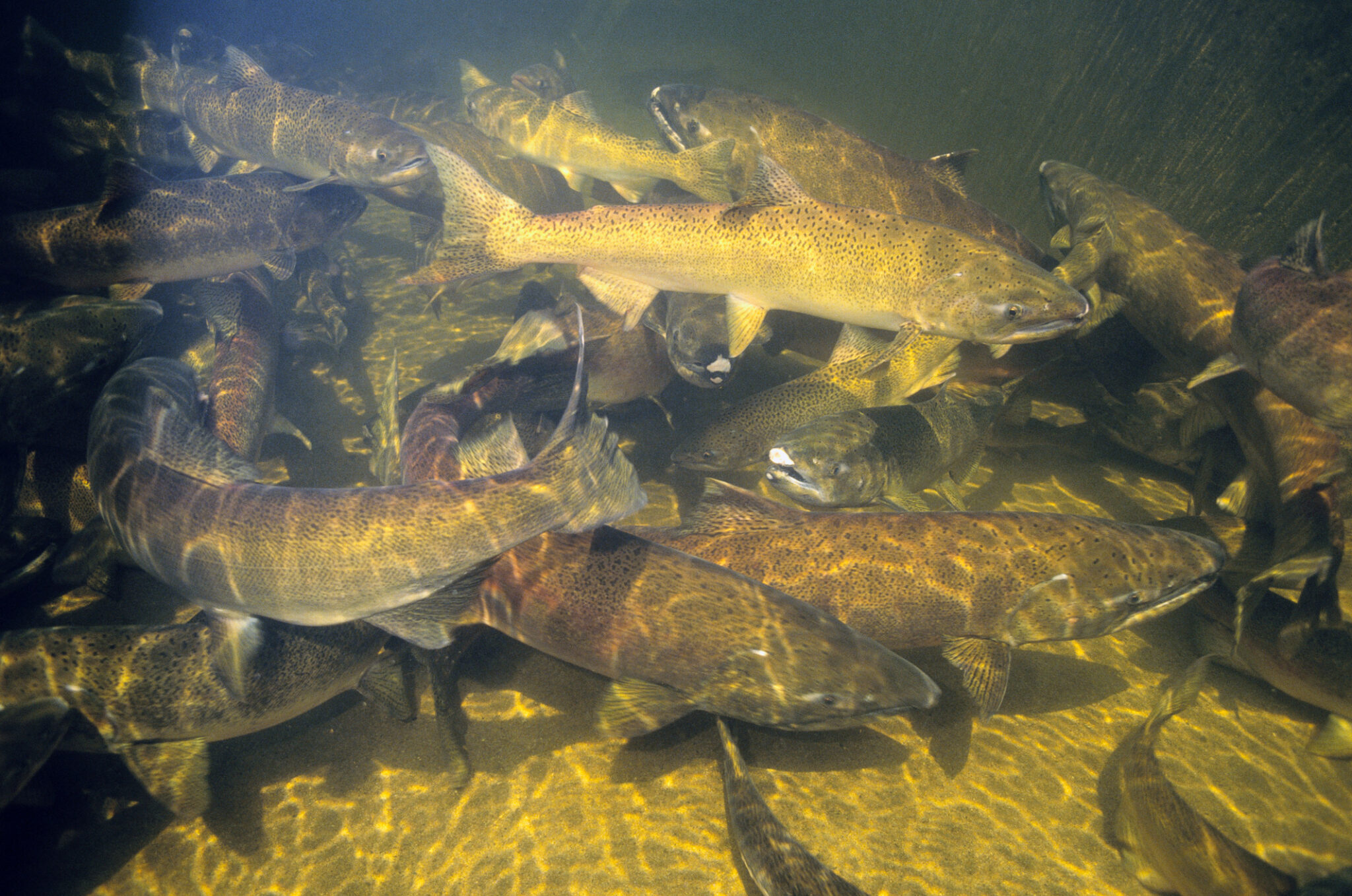
Commentary: Last thoughts on salmon and steelhead extinction in the Pacific Northwest • Idaho Capital Sun
Editor’s note: This is the fourth installment of a four-part series on salmon. Part One described the emergency effort to rescue Washington state’s last population of Snake River spring and summer Chinook salmon, in the Tucannon River. Part Two explored salmon and steelhead extinction threshold...
idahocapitalsun.com
My biggest refute is to this claim in his "last thoughts"
Yet strong public and political awareness of the fishes’ dire condition is not optional if the lower Snake River is to be restored, so that Snake salmon and steelhead get their shot to restore themselves. Results on the Klamath, Elwha, White Salmon and other rivers strongly suggest that when salmon get that chance, they grab it.
There is actually very little evidence of increased populations in the White Salmon River post-dam removal. And, of course, those declines are attributed to poor ocean conditions.