


Homeschool environmental education activities

Gellar

Well-known member
Joined
Jan 31, 2014
Messages
8,485
Location
The Driftless Area
I work at a nature center and we are closed to the public so I will share with all of you some of the activities we do here and are adaptable for different ages and any environment.

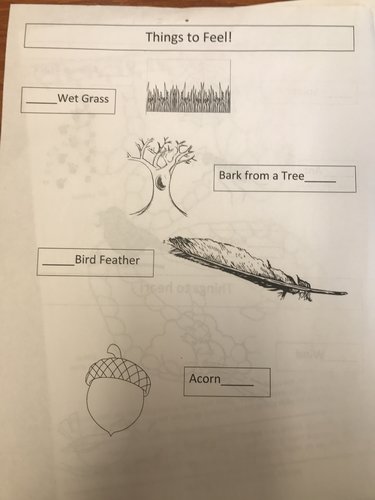
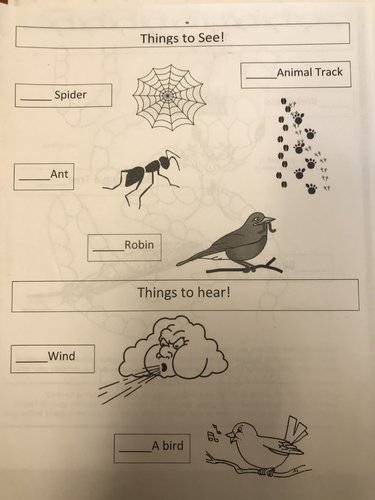
activity 1: scavenger hunt

we try to use all of the senses, this one is for young kids, less then 2nd grade. You can make it harder or easier.
 

Attachments

  • F4310680-9908-4119-923A-A1957FD098A1.jpeg
    F4310680-9908-4119-923A-A1957FD098A1.jpeg
    760.5 KB · Views: 8
  • BEAD2DC1-5D1B-4B77-B615-D7196B8D6A45.jpeg
    BEAD2DC1-5D1B-4B77-B615-D7196B8D6A45.jpeg
    702.6 KB · Views: 8
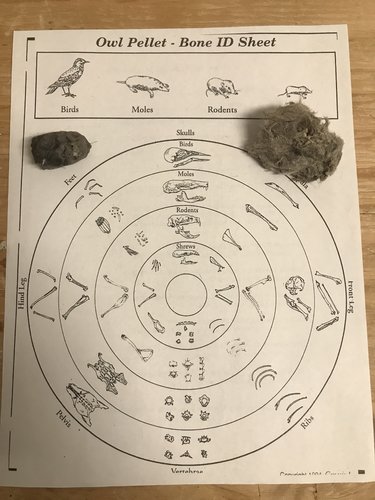
Activity 2: owl pellets

everyone loves owls. An owl pellet is what the owl can’t digest, including bones, feathers and fur. We find owl pellets under pine trees and even more in bird houses.(open the birdhouse and clean all the debris out being careful to find the pellets.)
 

Attachments

  • 82FCA49D-8003-4DBF-BBA2-C62F72A6E7FB.jpeg
    82FCA49D-8003-4DBF-BBA2-C62F72A6E7FB.jpeg
    1.4 MB · Views: 3
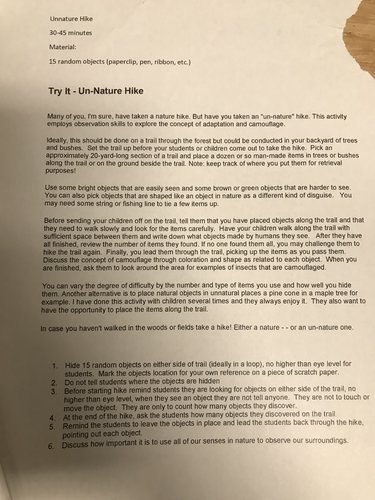
Activity 3: Unnature hike

this works good if you have a trail or not. Find 15 objects around the house and hide the within 3 feet of the trail, sidewalk,driveway or whatever and below eye level. Lead the kids on the trail not showing them any of the objects. At the end of the trail ask them how many objects they have found. Take them back along the coarse and show them each object.
 

Attachments

  • 0C276964-5C98-4906-B616-C9E8BC09098E.jpeg
    0C276964-5C98-4906-B616-C9E8BC09098E.jpeg
    1.5 MB · Views: 1
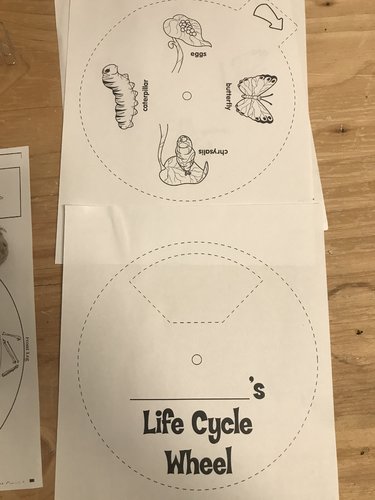
Activity 4: life cycles

spring is the rebeginning of the lifecycle for many critters. Make this cool insect lifecycle wheel and talk about how they start as eggs, hatch into larva,form a chrysalis and go through metamorphosis and finally lay eggs themselves to continue the lifecycle
 

Attachments

  • 7FB054D4-910E-40A0-B653-FD3F248DC951.jpeg
    7FB054D4-910E-40A0-B653-FD3F248DC951.jpeg
    1.1 MB · Views: 1
Activity 4: decomposing log ( my favorite) find three logs small enough to carry to you garage in different stages of decomposition. If they have moss and fungus growing on them even better. Acting like a scientist note the different smells, textures and feelings of each log. Using your hands, tools or whatever tear apart the log and look for things that may be inside it like pill bugs, spiders, worms, etc. if your library is open or is delivering books “a logs life” by Wendy pfifer is a good accompaniment. Sorry no pictures of this activity.
 
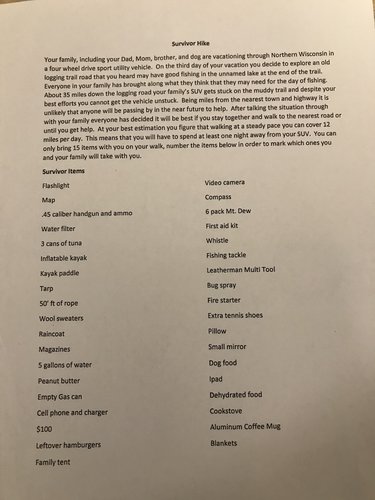
Activity 5: survivor
Give your students a scenario in which they are lost or need to survive. Give them a list of things they have and ask for their level of importance or tell them they may only take some of the items. Which ones would they take and why? Talk about their reasoning and if you think it was a good decision.
 

Attachments

  • 7A5F7C46-2708-4EA8-878E-B30C21D750AE.jpeg
    7A5F7C46-2708-4EA8-878E-B30C21D750AE.jpeg
    1.3 MB · Views: 2
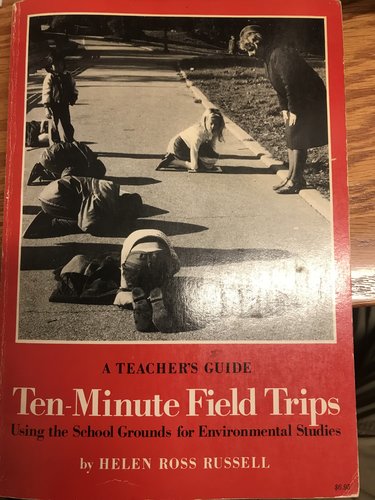
If you can go to the library or have it delivered this a book I use for impromptu field trips. They all take little resources and preparation.
 

Attachments

  • 24E2A6C5-D335-44ED-84B3-EF8BAC0ECAF7.jpeg
    24E2A6C5-D335-44ED-84B3-EF8BAC0ECAF7.jpeg
    1.9 MB · Views: 0
So far my environmental education is hiking through the mountains looking for turkeys!
The best environmental education happens when you start a hike with intentions of finding something but stumble on something else. Trees, tracks, bugs, erosion, rocks. lots of good environmental education opportunities while searching for turkeys. Happy scouting!
 

Forum statistics

Threads
117,850
Messages
2,171,640
Members
38,371
Latest member
Native NV Ducker
Back
Top