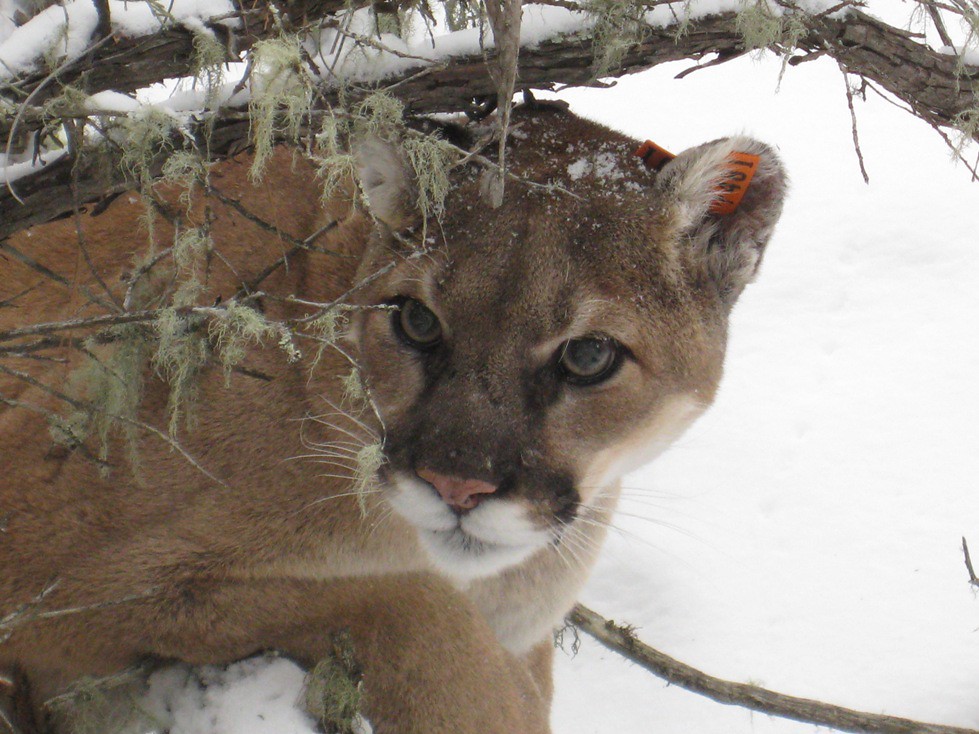
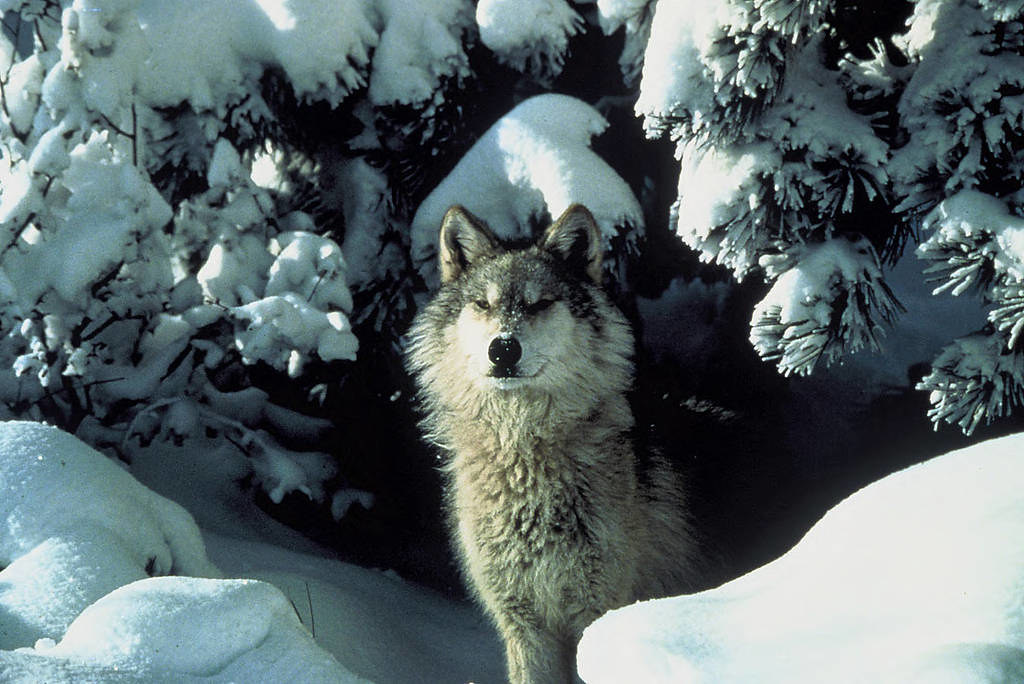
Even within that scope of a conversation there is nuance, a lot of nuance. By that I mean, even though there seems to be evidence that predators select for CWD positive animals, and do play some role in prevalence suppression. That has not been the case across the board. See the nearly completed Arkansas study which I have posted info about on HT before. Predation on CWD animals was the same as non detect animals at that stage of the study.
Mike Miller has also looked into this for mule deer.
Predators may create healthier prey populations by selectively removing diseased individuals. Predators typically prefer some ages of prey over others, which may, or may not, align with those prey ages that are most likely to be diseased. The ...

www.ncbi.nlm.nih.gov
“Predators have been proposed as a potential biological control mechanism for CWD in cervid populations, and there is some evidence that cougars select for CWD‐infected mule deer (Krumm et al.,
2010; Miller et al.,
2008).
Nevertheless, Miller et al. (2008) found that CWD prevalence in mule deer remained high even under high rates of selective cougar predation.”
I have no doubt that, on a landscape level, predators have impacts on CWD infected animals. But from what I’ve seen there’s very little evidence, that any predator will do that all on their own in any real substantial way. Or that by stopping hunting of that predator will directly lead to more effective CWD predation in that population.
If we look at where CWD prevalences are highest, or grow the fastest, there is a short list of commonalities, none of which I can see are tied to predators.
1. Where it has been the longest (CO, WY)
2. High density populations of deer. Think Wisconsin down to Arkansas along the Mississippi, where deer populations figure into the millions of deer and have some of the highest densities per square mile of any places in the world.
3. Baiting has remained on the landscape in widespread usage. Kansas, Sask, Texas.
Dan Ashe’s statements on this particular subject, in my opinion, seem to be akin to the statements I hear on the other side of the CWD issue from the conspiracy theory folks. A shred of truth taken without any real context and a lack of understanding of the research that has been done on the topic.
In some sense I get it. Dan is likely not all that immersed into the world of CWD. It appears he’s taking subject matter headlines and study titles, and then applying those concepts linearly with broad brush strokes. Failing to analyze the work in totality in context, with nuance.
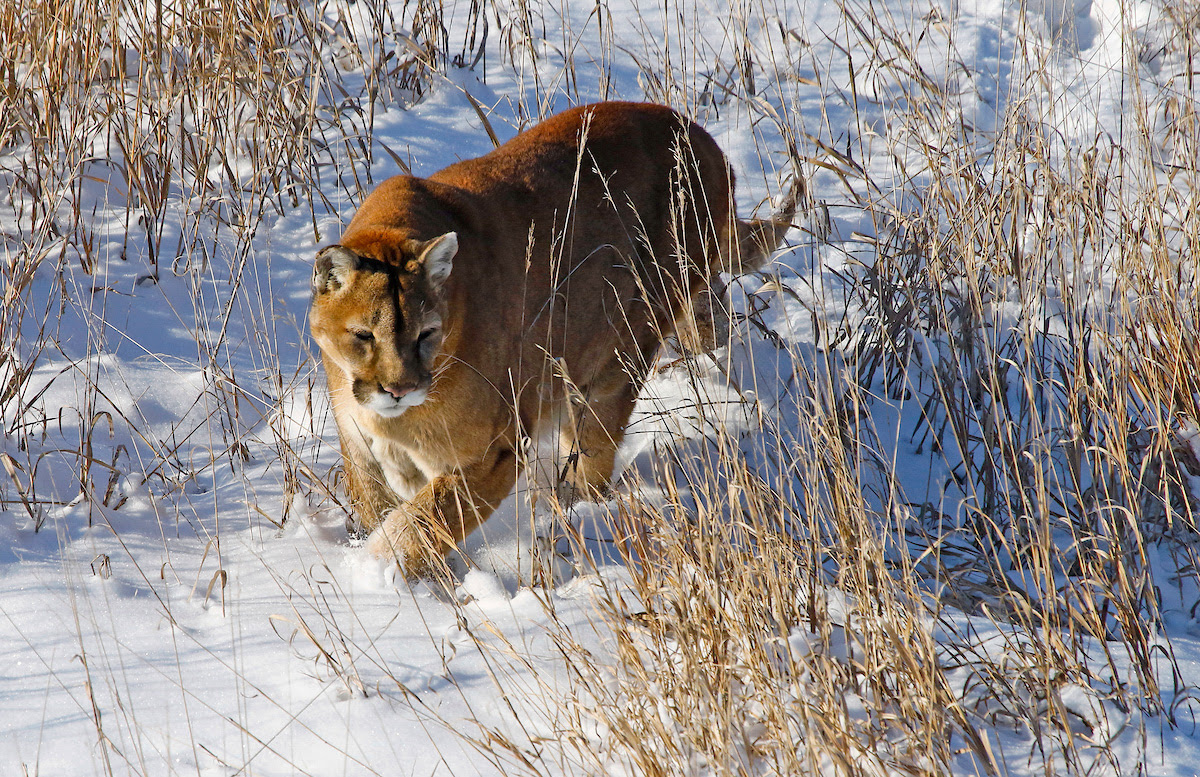
That is all to say, I agree that this is a poor argument for ending mountain lion hunting, and it does more damage to the CWD discussions. A lose lose for hunting and wildlife.




 coloradonewsline.com