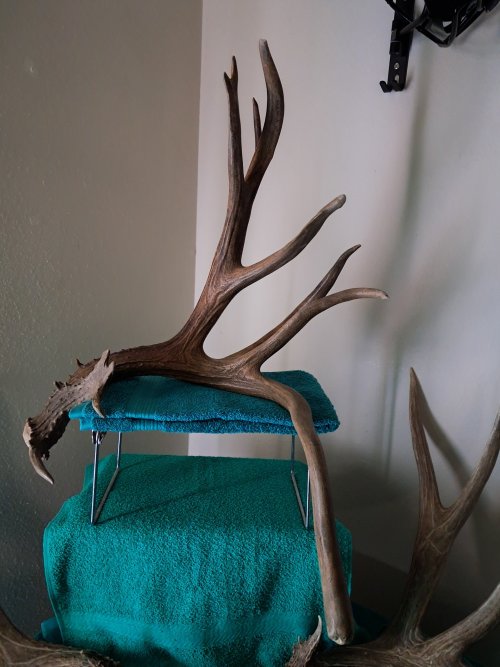
Hunting mule deer in Western Montana can be an exciting and rewarding experience, given the diverse terrain and healthy deer populations in the region. Here’s a guide to help you with your mule deer hunting adventure:
1. Research and Preparation
- Understand the Regulations: Check the Montana Fish, Wildlife & Parks (FWP) website for specific hunting regulations, seasons, and licensing requirements. Rules can vary by district.
- Map Out Areas: Western Montana offers various hunting areas with different terrains. Familiarize yourself with areas such as the Bitterroot Valley, Flathead National Forest, or the Missouri Breaks. Look for areas known for good mule deer populations.
2. Gear and Equipment
- Firearm/Bow: Depending on your preference, ensure your rifle or bow is in good working condition and suitable for the hunting range. Mule deer can be spotted at varying distances, so a reliable scope or bow sight is essential.
- Clothing: Dress in layers to adapt to changing weather conditions. Waterproof and windproof outer layers are crucial due to the variable weather.
- Gear: Binoculars with a high magnification (10x42 is common), a rangefinder, and a sturdy backpack for carrying gear and game are important.
3. Scouting
- Pre-season Scouting: Spend time in the area before the season to familiarize yourself with the landscape, deer patterns, and potential food and water sources.
- Trail Cameras: Use trail cameras to monitor deer activity and identify patterns or preferred locations.
4. Hunting Techniques
- Spot and Stalk: Western Montana’s terrain is ideal for spot-and-stalk hunting. Use binoculars to locate deer from a distance, then carefully stalk within range.
- Glassing: Early morning and late afternoon are the best times for glassing, as deer are more active during these periods. Look for deer in open meadows, on slopes, and near water sources.
- Hunting in the Rut: The rut typically occurs in November. During this time, bucks are more active and may be easier to spot as they chase does.
5. Safety and Ethics
- Know Your Target: Ensure you have a clear shot to avoid wounding the animal. Mule deer can be elusive and quick, so take your time to line up a clean shot.
- Follow Safety Protocols: Always be aware of your surroundings and follow firearm safety rules. Inform someone about your hunting plans and carry a map and compass or GPS device.
6. Field Dressing and Processing
- Field Dressing: Once you’ve harvested a deer, field dress it as soon as possible to preserve the meat. This involves removing the internal organs and cooling the meat.
- Processing: You can process the meat yourself or take it to a local processor. Make sure to keep it cool and properly stored to avoid spoilage.
7. Respect Landowners and Public Lands
- Private Land: Obtain permission from landowners if hunting on private property.
- Public Land: Respect the rules and guidelines for hunting on public lands and practice Leave No Trace principles to preserve the environment.
By following these guidelines, you’ll increase your chances of a successful and enjoyable mule deer hunt in Western Montana. Good luck and stay safe!
sincerely, ChatGPT
welcome to hunttalk