



npaden
Well-known member
Okay. I think I’m am about to pull the trigger on a hydraulic breaker for my excavator. It started out as a 12” bucket and then to meet the minimum order I think is going to end up with a ripper and a hydraulic breaker.
I am struggling to decide between a 68mm and a 75mm one. The safe choice for sure is the 68mm one. Well within the specifications for my TB 250-2. That’s what is pretty much recommended across the board for my machine.
But the TB 250-2 has really good hydraulic flow which is one of the reasons I bought it and actually enough to run the next size up breaker near the top of its range. But it weighs almost 1,000 pounds so having it out on the end of the stick is going to take discipline.
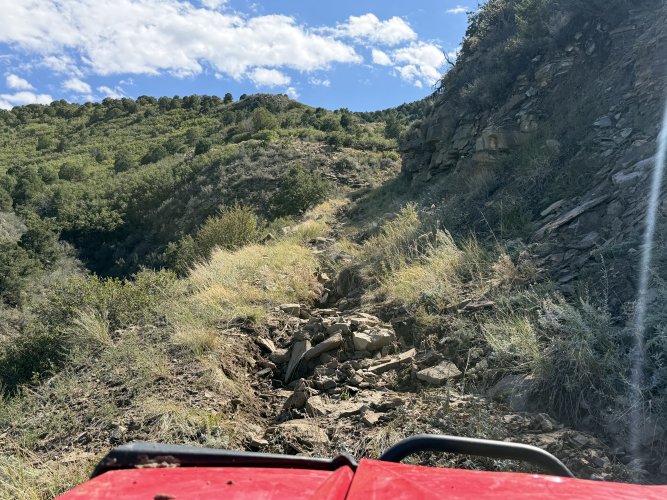
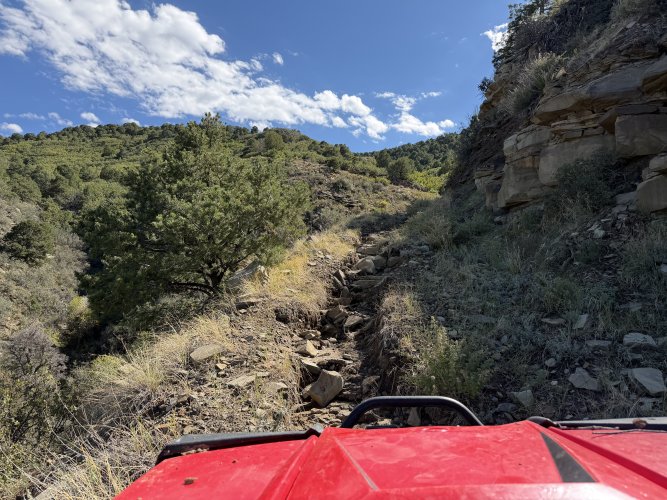
I’m planning on using it to try to hook up 2 trails that the previous owner built on the property. I think he was using a 15 or maybe even an 18 ton excavator but didn’t have a breaker and not sure he even had a ripper. He made good progress into this limestone shelf but at some point decided enough was enough and quit.
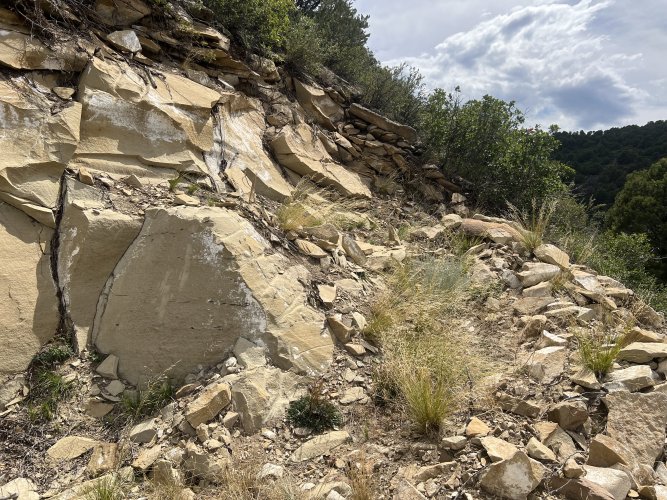
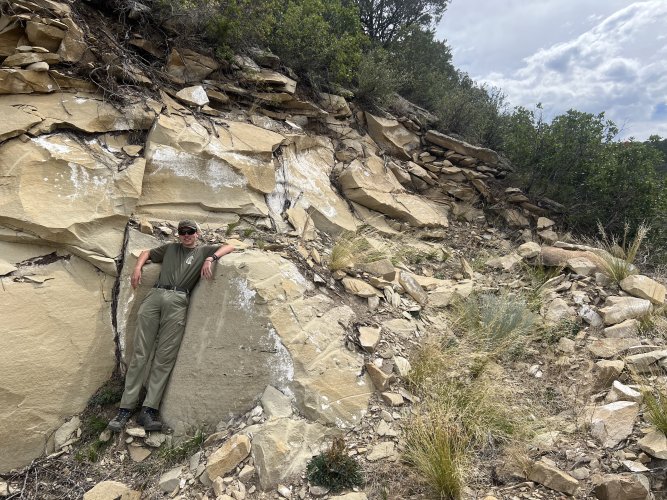
You can see the tooth marks all over that rock where he tried to grab it out of there with the bucket. Eli is a little over 6 feet tall for comparison.
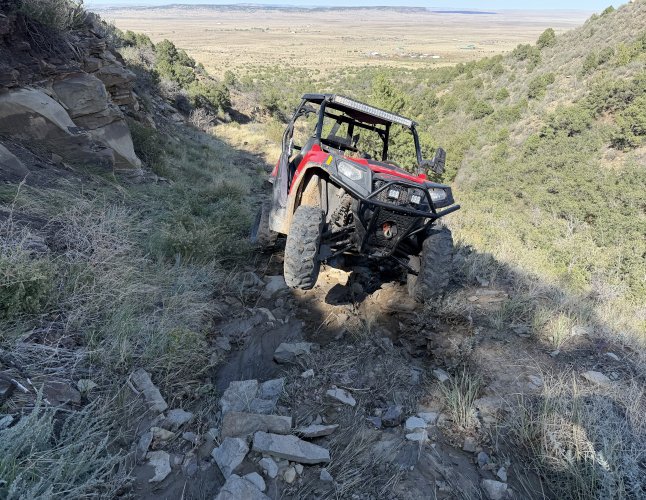
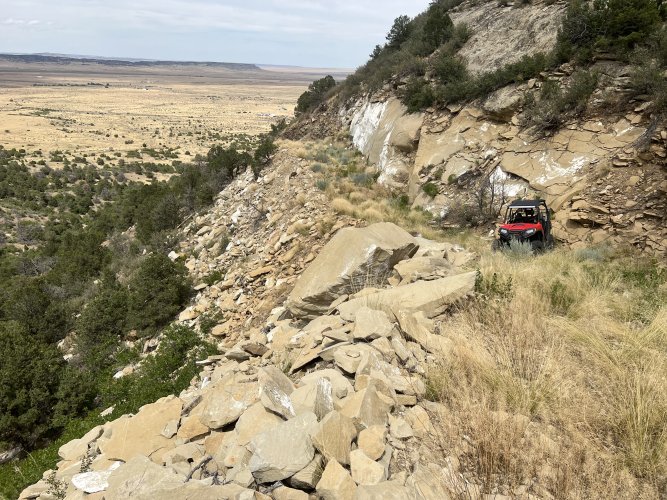
This dead end is about 1/4 mile from the bottom. You can see some of the giant rocks the bigger excavator was successful in pulling off. Don’t think my 5 ton excavator could move those more than a few inches.
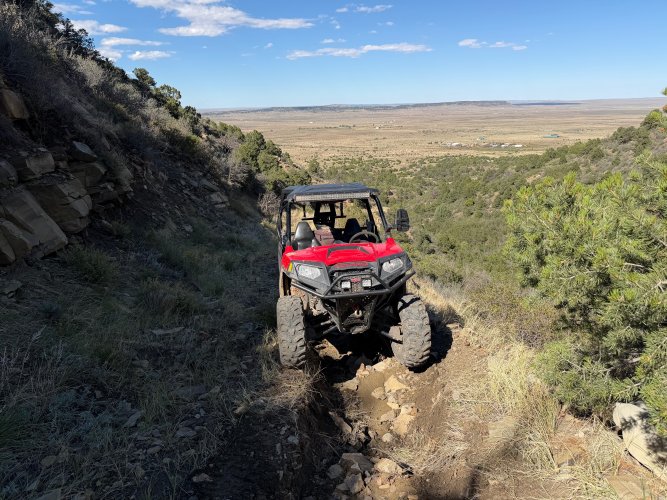
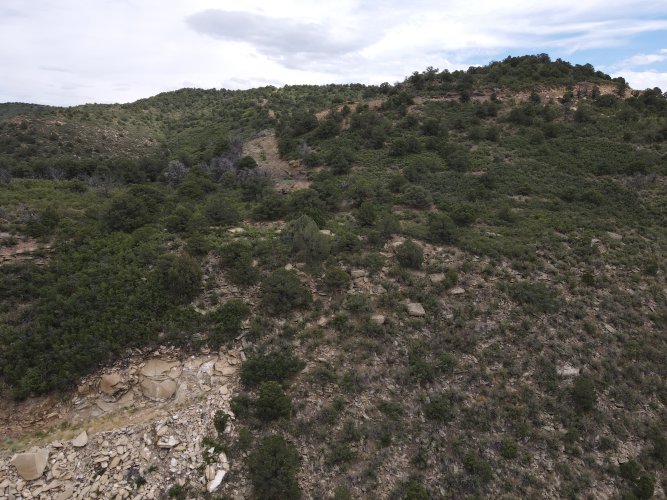
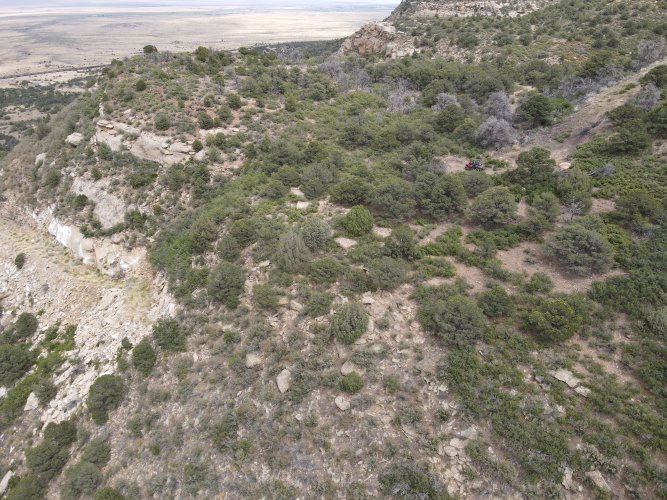
You can see the Rzr parked up above it at the end of the trail coming from the top in the drone pictures. The trail from there to the top is already finished. It’s about 1/2 mile to connect up with the ridge road up on top. I just need to go about 150 yards and around 75 feet of elevation to get the trails connected. I’m thinking a steady up then a switchback to get up on that bench the Rzr is parked on.
So anyone with experience running a hydraulic breaker? Is the 68mm one going to be up to the task? I understand I will need to be patient with it and attack the seams and cracks and edges and not just go right at the middle of it.
Is the 75mm just too much for the TB 250-2 especially on the side of a mountain? Would the 75mm breaker make that much of a difference if I was super careful with it? Watching videos there seems to be a big step up from the 50mm breakers and the 68mm breakers. Like almost 50% more power. The step up to the 75mm breakers seems to be another 25-30% depending on brand.
Am I crazy to be thinking about tackling the last 150 yards of this trail on the side of the mountain with a 5 ton excavator? I wouldn’t want to attempt to do the whole thing but trying to make the connection sure is tempting.
I might but a post hole cup to use on it as well to drive oil field pipe for fence posts.
So anyone with experience running breakers or building mountain roads that has any input or advice?
Thanks, Nathan
I am struggling to decide between a 68mm and a 75mm one. The safe choice for sure is the 68mm one. Well within the specifications for my TB 250-2. That’s what is pretty much recommended across the board for my machine.
But the TB 250-2 has really good hydraulic flow which is one of the reasons I bought it and actually enough to run the next size up breaker near the top of its range. But it weighs almost 1,000 pounds so having it out on the end of the stick is going to take discipline.
I’m planning on using it to try to hook up 2 trails that the previous owner built on the property. I think he was using a 15 or maybe even an 18 ton excavator but didn’t have a breaker and not sure he even had a ripper. He made good progress into this limestone shelf but at some point decided enough was enough and quit.
You can see the tooth marks all over that rock where he tried to grab it out of there with the bucket. Eli is a little over 6 feet tall for comparison.
This dead end is about 1/4 mile from the bottom. You can see some of the giant rocks the bigger excavator was successful in pulling off. Don’t think my 5 ton excavator could move those more than a few inches.
You can see the Rzr parked up above it at the end of the trail coming from the top in the drone pictures. The trail from there to the top is already finished. It’s about 1/2 mile to connect up with the ridge road up on top. I just need to go about 150 yards and around 75 feet of elevation to get the trails connected. I’m thinking a steady up then a switchback to get up on that bench the Rzr is parked on.
So anyone with experience running a hydraulic breaker? Is the 68mm one going to be up to the task? I understand I will need to be patient with it and attack the seams and cracks and edges and not just go right at the middle of it.
Is the 75mm just too much for the TB 250-2 especially on the side of a mountain? Would the 75mm breaker make that much of a difference if I was super careful with it? Watching videos there seems to be a big step up from the 50mm breakers and the 68mm breakers. Like almost 50% more power. The step up to the 75mm breakers seems to be another 25-30% depending on brand.
Am I crazy to be thinking about tackling the last 150 yards of this trail on the side of the mountain with a 5 ton excavator? I wouldn’t want to attempt to do the whole thing but trying to make the connection sure is tempting.
I might but a post hole cup to use on it as well to drive oil field pipe for fence posts.
So anyone with experience running breakers or building mountain roads that has any input or advice?
Thanks, Nathan
Last edited: