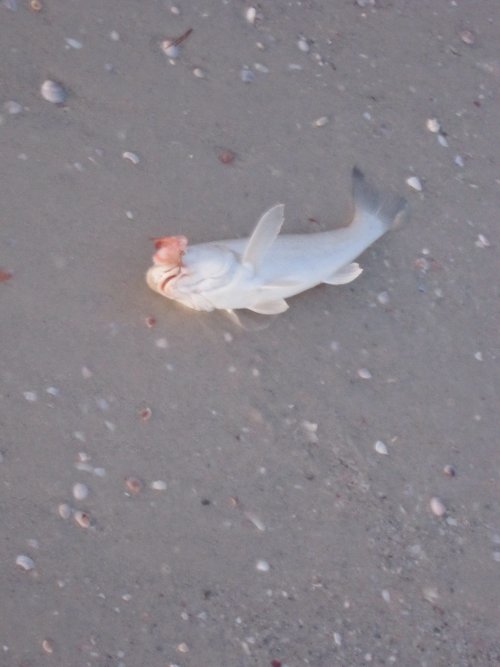
It was very interesting to see red tide and it’s effects first-hand over the last 2 weeks. I was mostly trying to avoid it as much as possible for outdoor recreation, but I still saw plenty of devastation including rafts of dead sea grass, rafts of dead fish, dying fish, a red-brown algae bloom, and entire flats of dead grass.
It became apparent that there are likely a lot of inter-related factors in the genesis, movement, spread, duration, and intensity of the red tides in the Tampa area such as water temps, salinity, oxygenation, wind direction, intensity, and duration, storm surges, currents, rainfall amounts and timing, other weather events and factors (e.g. Hurricane Fred), ocean floor topography, shoreline topography, timing and selection of humans removing dead sea life, various kinds of pollution, climate change, rising sea levels, whether a bloom has already feasted on a “section” of water and what characteristics that bloom had, including the species of the algae, etc. for starters.
On a very basic level, there is this warm, nutrient-rich surface water in Tampa Bay and the intercoastal waterway and it’s easy to see how algal blooms would naturally occur. Beyond that, there seems to be a fair amount of mostly-educated guesswork involved in trying to figure out how much of a factor the Piney Point incident was on the current red tide. There is no smoking gun, and on the other hand everyone can agree Piney Point was no health salve to the local marine ecosystems.
I can’t wait to return to fish Clearwater again - it was more than worth the trip
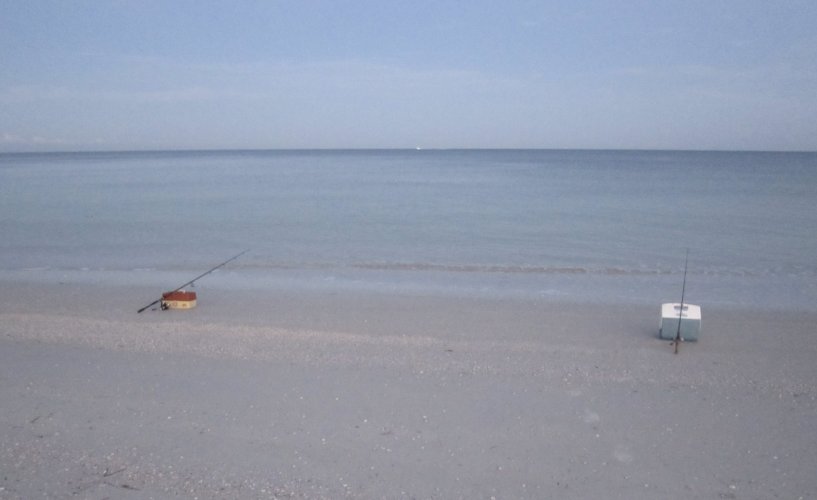
Trying my hand on the surf
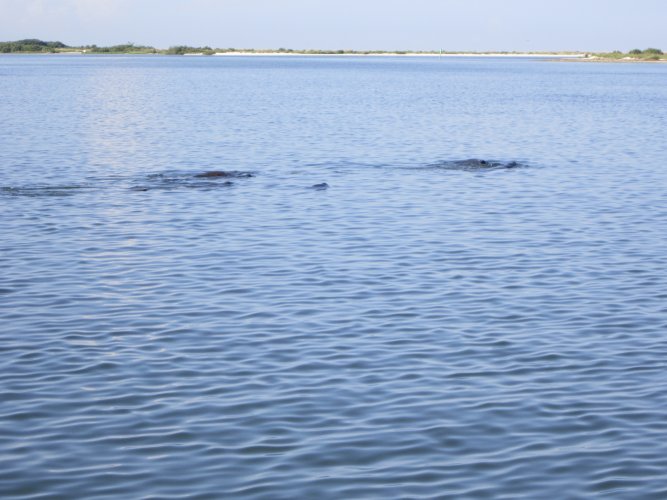
Had dolphins and manatees swim within touching distance. This was a herd of 6 manatees
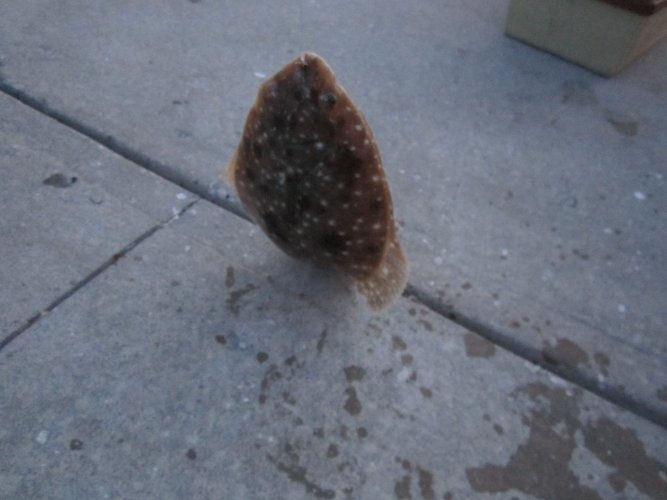
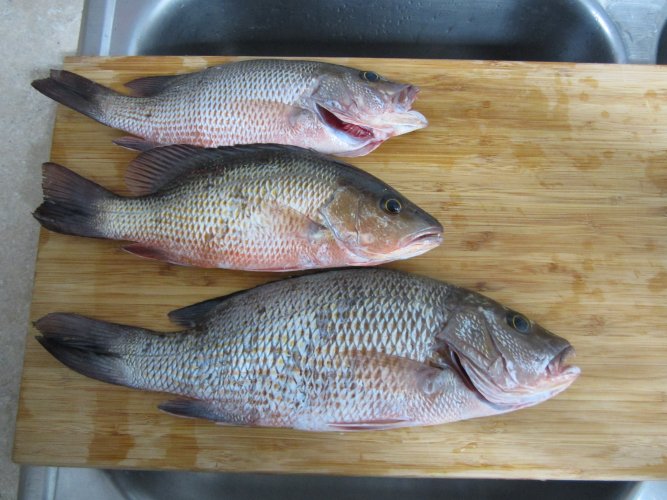
Flounder was under the minimum. I made out better on mango snapper.