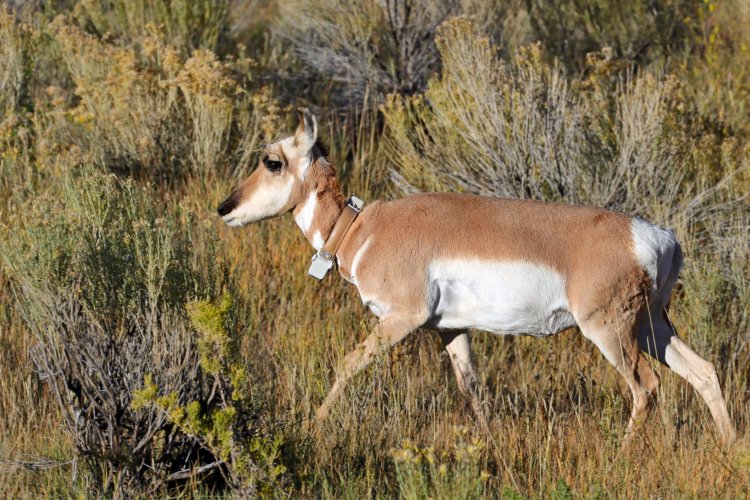
Several different types and brands of collars available, but for the combo VHF/GPS multi-year battery life collars they tend to be pretty spendy. Its tough to get a solid number on cost as most companies base that on the quantity purchased and potential for further contracts. From what I remember it is usually around $2500. Although, that is only a fraction of the total cost for getting good info. It costs agencies money to pay a contractor to catch and apply the collars. There is also software needed to monitor the information from the collars. It also takes a considerable amount of time for a biologist to plan, prepare, stage, monitor, and produce a report on the results only for the upper management to completely ignore the results and their recommendations. VIT and ear tag VHF collars are quite a bit cheaper, but also require someone to be out monitoring them daily and a team to hike into the kill site or birth site to collect info.
I can tell you from working with many biologists from many western states that there is a lot of frustration in their ranks. I can't blame them. They do a ton of work to try to help wildlife only to have the agency and state legislatures ignore their recommendations or even do the opposite.
Some of you may remember one of the first FWP related directives that our current governor had Hank implement, was to decrease wildlife research and eliminate any long term wildlife studies. He wanted a two year cap on any research. Talk to any wildlife biologist and they will tell you that 2 years worth of data isn't worth squat when it comes to long term trends.
Montana’s Department of Fish, Wildlife & Parks plans to shift its research program toward short-term, in-house efforts after a decade of ambitious work helped make it a world-renowned scientific contributor.

www.spokesman.com
https://missoulacurrent.com/science-fwp-gianforte/
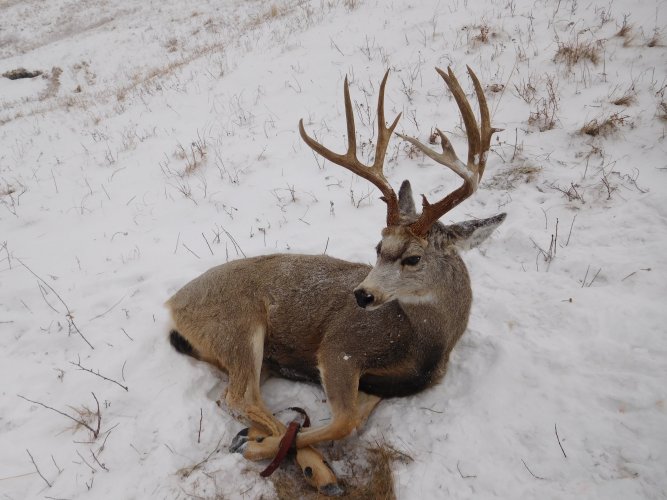
I worked on a couple of mule deer collaring projects in MT. We caught primarily bucks along the border with Canada from the Sweetgrass Hills to north of Malta. I know that there were a few other areas where deer were caught as part of this CWD monitoring project. Not sure if the data collected gets used for anything other than CWD related stuff.
View attachment 319329
We also caught does and fawns in the southern Bitteroot as part of the predator/prey relationship project that completed a few years ago. There was a much higher focus on elk than deer on that one, but deer were part of it. I wasn't there, but another crew caught some mule deer does along the RMF. Montana FWP does quite a bit of collar related research, but at least while I was part of it, deer were way down the list behind elk (brucellosis), sheep, goats and wolves. Of all the states I worked in, Colorado was by far the most invested in mule deer research. We were putting out well over a thousand collars on mule deer in NW CO alone.
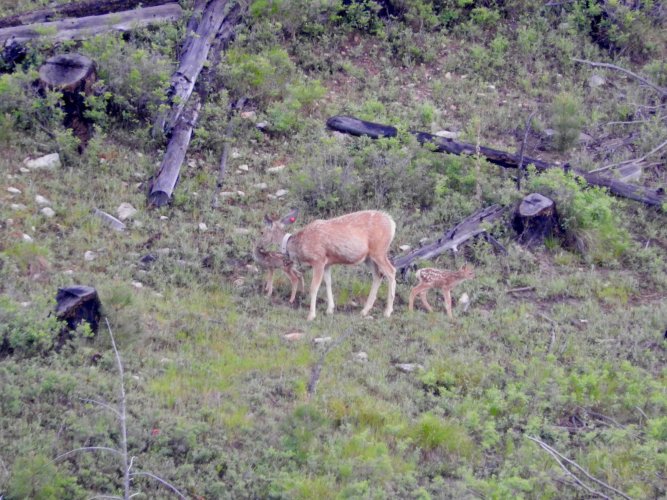
Other than while working, I have seen 3 doe mule deer, 1 buck, 4 cows, 1 moose, and 3 sheep with collars in MT. At least those that I recall seeing. This is a doe wearing a collar near Darby.
View attachment 319328