


QELKhunter
Well-known member
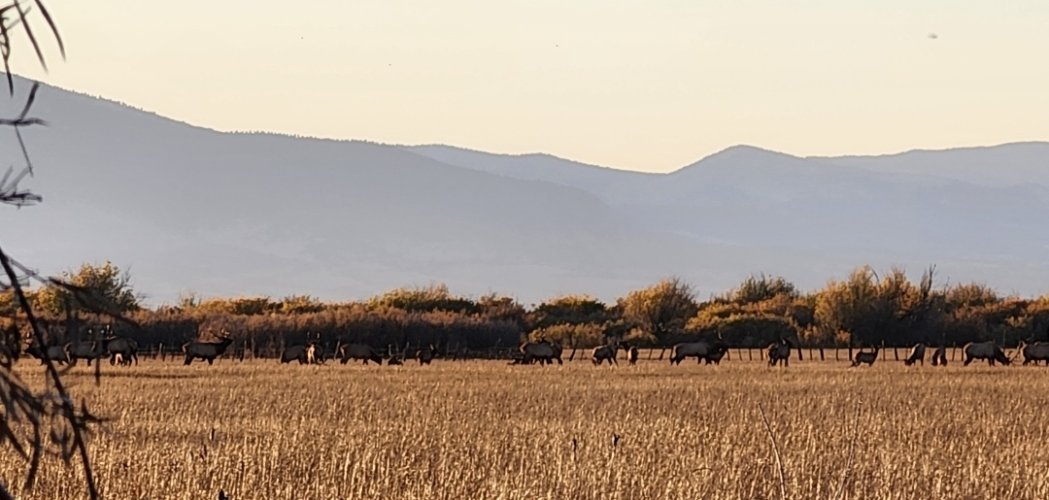
One of the benefits of living and working on our family farm is that elk and deer are a year-round presence. What started as a few dozen elk passing through 15 years ago has turned into a resident herd of well over 200 animals that now treat our place like a sanctuary. That’s great for wildlife viewing… and less great for fences, hay, salt blocks, mineral tubs, and anything else cows are supposed to eat.
Because of that growth, we’ve gradually opened the property to more hunting—both for ourselves and others. Two hundred-plus elk compete pretty aggressively with cattle, and while they’re expensive neighbors, they also allow us to put meat in the freezer without holding back our own calves. Just as importantly, depredation and dispersal tags have given us the opportunity to help feed people in our community who need it. Over the years we’ve donated meat, helped youth hunters, and tried to turn a management problem into something positive.
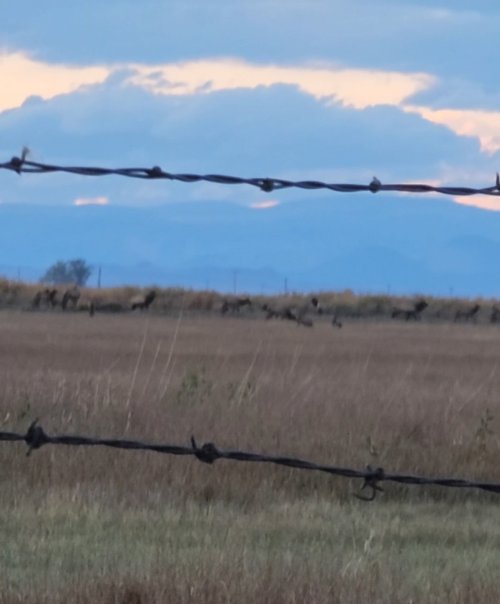
For most of the past month, the elk activity had been pretty predictable: a band of bachelor bulls hanging around and a small group of freshly weaned yearlings. Then yesterday—January 5th—I woke up to find a herd of well over 100 elk scattered through the pasture with my cows. I’d been hoping a few mature cows would finally show up. They did not disappoint.
I had already promised a family that I would harvest an elk for them and donate the meat. They recently relocated from Idaho to Colorado to be closer to family and have had a rough go of it since arriving. They have four kids, including a disabled son they adopted. A job that was supposed to be stable turned into a summer layoff after some administrative changes, and since then both parents have been piecing together odd jobs while trying to get back on their feet.
I learned about the family through our local wildlife officer when he dropped off our dispersal tags. He knows we try to donate excess wild game or pass tags on to youth hunters when we can, and he thought this would be a good fit. He was right.
While watching the herd throughout the day, I noticed one mature cow that stood out immediately. She’d clearly been shot just below the front knee on one side. The leg was still attached but completely non-weight-bearing. I decided then that she would be the target. Elk are hard enough on fences with four working legs—three-legged ones don’t do any favors.
I let the herd settle and move naturally through the day. About 30 minutes before sunset, I slipped into a ditch and began what can only be described as the infamous half-mile crouch walk. The ditch runs east to west, and the elk were moving north. If they held their line, they’d cross 10–20 yards in front of me at a perfect 90-degree angle.
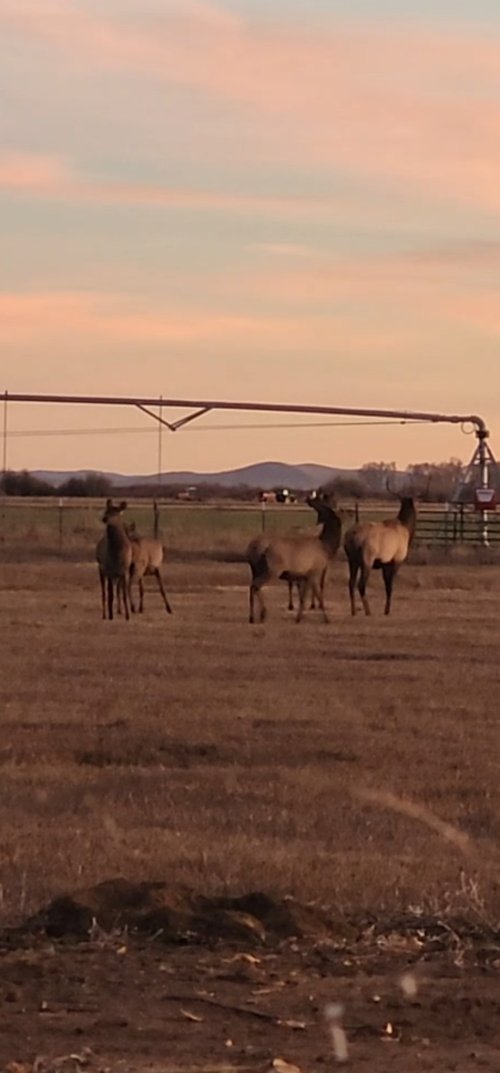
As they closed the distance, I glassed through the herd looking for the three-legged cow. As expected, she was last to stand and dead last in the line. About 30 elk crossed within 30 feet of me, pushing north toward the alfalfa field beyond the fence. We had a crosswind blowing northeast, which meant the elk that had already crossed were about to hit my scent.
They did.
They froze, unsure of what they’d smelled or where it came from. That stand-off felt like an eternity, but in reality it was probably five minutes. Unfortunately, it also meant I had about five minutes of legal shooting light left. The injured cow stayed put, watching the rest of the herd for cues. I ranged her at 251 yards. She was quartering to me, with the injured leg on the far side.
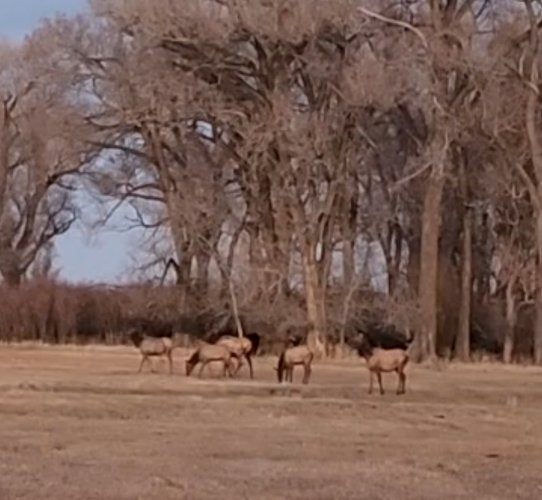
I got set, took a calm exhale, and squeezed off the shot just behind the shoulder—maybe a little farther back than I’d planned. Cold, stiff fingers will do that. The herd ran back the way they’d come and stopped just past her. She stayed standing, and with elk moving around her, I wasn’t comfortable sending another round.
A few seconds later she swayed, staggered, caught herself, and then gently laid down. The herd stayed put.
I walked the half-mile back to the house, grabbed the loader, and went back to retrieve her. By the time I returned, it was dark and a mostly full moon was coming up. The herd was drifting south into the willows and creek bottom. The cow was exactly where she’d gone down. She had stretched her neck out, legs tucked under her, and passed without a struggle.
The shot ended up about six inches behind the shoulder and exited just in front of the last rib. It slipped cleanly between ribs on both sides without touching bone. The exit didn’t quite make it through the hide, and the only bloodshot meat was on the exit side—no bigger than my hand.
The previously injured leg told the rest of the story. The shoulder was badly atrophied with very little muscle left. Based on the healing, it likely happened early in rifle season, possibly as far back as October. Despite that, she was otherwise healthy and provided a significant amount of meat with virtually no waste.
I let the family know that I’d harvested their elk and planned to process it this weekend. Instead of just taking the meat, they asked if they could be part of the processing so their kids could learn where food actually comes from.
So this weekend we’ll be cutting, wrapping, and learning together—and that feels like as good a way as any to start 2026.
As it turns out, the good start didn’t end there. This morning my brother-in-law took the day off, came over, and punched his own cow tag for the freezer. No drama, no heroics—just another elk off the landscape and another family set up with clean, local meat for the year.
All told, two cow tags punched, freezers filling, fences getting a small break, and a little good karma to start the year. Hard to ask for much more than that.
Because of that growth, we’ve gradually opened the property to more hunting—both for ourselves and others. Two hundred-plus elk compete pretty aggressively with cattle, and while they’re expensive neighbors, they also allow us to put meat in the freezer without holding back our own calves. Just as importantly, depredation and dispersal tags have given us the opportunity to help feed people in our community who need it. Over the years we’ve donated meat, helped youth hunters, and tried to turn a management problem into something positive.
For most of the past month, the elk activity had been pretty predictable: a band of bachelor bulls hanging around and a small group of freshly weaned yearlings. Then yesterday—January 5th—I woke up to find a herd of well over 100 elk scattered through the pasture with my cows. I’d been hoping a few mature cows would finally show up. They did not disappoint.
I had already promised a family that I would harvest an elk for them and donate the meat. They recently relocated from Idaho to Colorado to be closer to family and have had a rough go of it since arriving. They have four kids, including a disabled son they adopted. A job that was supposed to be stable turned into a summer layoff after some administrative changes, and since then both parents have been piecing together odd jobs while trying to get back on their feet.
I learned about the family through our local wildlife officer when he dropped off our dispersal tags. He knows we try to donate excess wild game or pass tags on to youth hunters when we can, and he thought this would be a good fit. He was right.
While watching the herd throughout the day, I noticed one mature cow that stood out immediately. She’d clearly been shot just below the front knee on one side. The leg was still attached but completely non-weight-bearing. I decided then that she would be the target. Elk are hard enough on fences with four working legs—three-legged ones don’t do any favors.
I let the herd settle and move naturally through the day. About 30 minutes before sunset, I slipped into a ditch and began what can only be described as the infamous half-mile crouch walk. The ditch runs east to west, and the elk were moving north. If they held their line, they’d cross 10–20 yards in front of me at a perfect 90-degree angle.
As they closed the distance, I glassed through the herd looking for the three-legged cow. As expected, she was last to stand and dead last in the line. About 30 elk crossed within 30 feet of me, pushing north toward the alfalfa field beyond the fence. We had a crosswind blowing northeast, which meant the elk that had already crossed were about to hit my scent.
They did.
They froze, unsure of what they’d smelled or where it came from. That stand-off felt like an eternity, but in reality it was probably five minutes. Unfortunately, it also meant I had about five minutes of legal shooting light left. The injured cow stayed put, watching the rest of the herd for cues. I ranged her at 251 yards. She was quartering to me, with the injured leg on the far side.
I got set, took a calm exhale, and squeezed off the shot just behind the shoulder—maybe a little farther back than I’d planned. Cold, stiff fingers will do that. The herd ran back the way they’d come and stopped just past her. She stayed standing, and with elk moving around her, I wasn’t comfortable sending another round.
A few seconds later she swayed, staggered, caught herself, and then gently laid down. The herd stayed put.
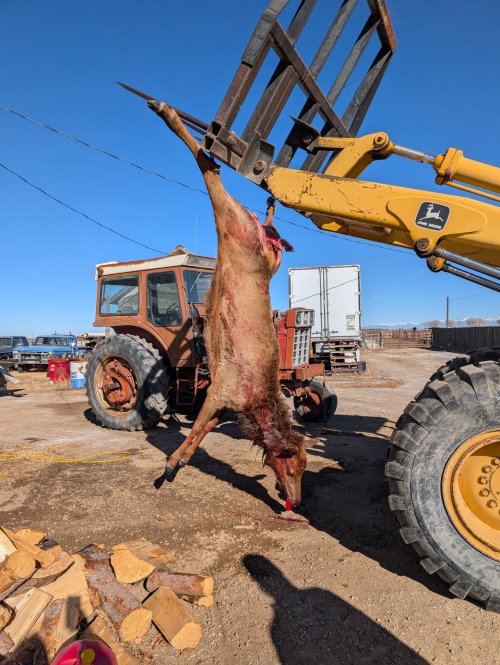
I walked the half-mile back to the house, grabbed the loader, and went back to retrieve her. By the time I returned, it was dark and a mostly full moon was coming up. The herd was drifting south into the willows and creek bottom. The cow was exactly where she’d gone down. She had stretched her neck out, legs tucked under her, and passed without a struggle.
The shot ended up about six inches behind the shoulder and exited just in front of the last rib. It slipped cleanly between ribs on both sides without touching bone. The exit didn’t quite make it through the hide, and the only bloodshot meat was on the exit side—no bigger than my hand.
The previously injured leg told the rest of the story. The shoulder was badly atrophied with very little muscle left. Based on the healing, it likely happened early in rifle season, possibly as far back as October. Despite that, she was otherwise healthy and provided a significant amount of meat with virtually no waste.
I let the family know that I’d harvested their elk and planned to process it this weekend. Instead of just taking the meat, they asked if they could be part of the processing so their kids could learn where food actually comes from.
So this weekend we’ll be cutting, wrapping, and learning together—and that feels like as good a way as any to start 2026.
As it turns out, the good start didn’t end there. This morning my brother-in-law took the day off, came over, and punched his own cow tag for the freezer. No drama, no heroics—just another elk off the landscape and another family set up with clean, local meat for the year.
All told, two cow tags punched, freezers filling, fences getting a small break, and a little good karma to start the year. Hard to ask for much more than that.