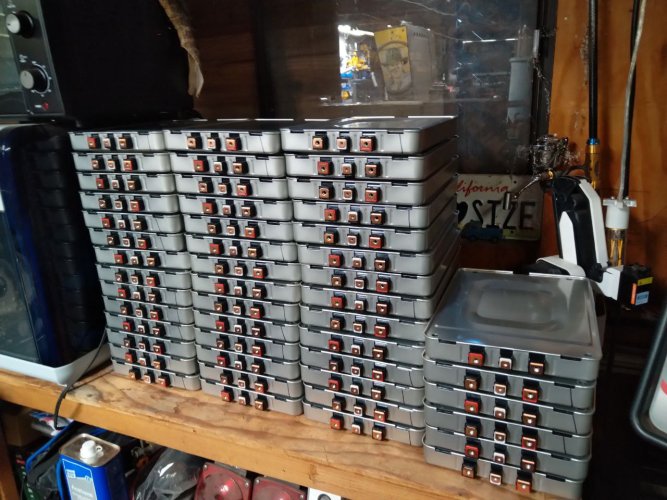
I use Lithium iron phosphate and lead acid AGM for solar powered data logging and telemetry equipment at some very remote locations. Each has pros and cons.
Lithium pros - Lightweight, rated for thousands of charge-discharge cycles, but most important to my applications, they can recharge fast. You can throw a lot of current at lithium in a short time and top the batteries off.
Lithium cons - Expensive, temperature sensitive, may need special charging hardware (solar regulator or AC charger designed for lithium batteries).
With regards to cold, I'm running a couple of "low temperature" lithium batteries in temps well below zero, like -10 to -20 at times. The low temp variants have internal heating circuits to warm the cell to 0C prior to charging. I've been running them for two winters now with zero malfunctions.
Lead-acid AGM pros - Cheaper, work well for most applications, available just about everywhere, and will work in just about every environmental condition.
Lead-acid AGM cons - Heavy, slower to charge without damaging the battery, do not like to be discharged too far.
Weight and charge time are the main factors which steer me to/from AGM to lithium on a case-by-case basis. If you're not running solar on an RV these days, you're nuts. Solar and AGM may suit your needs just fine.