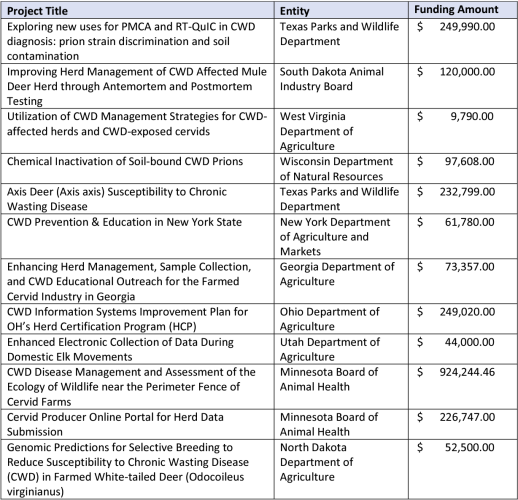
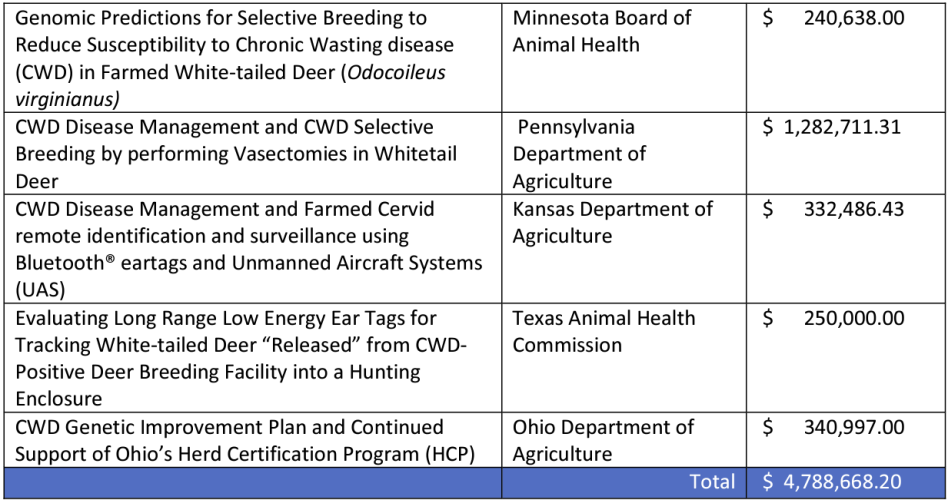
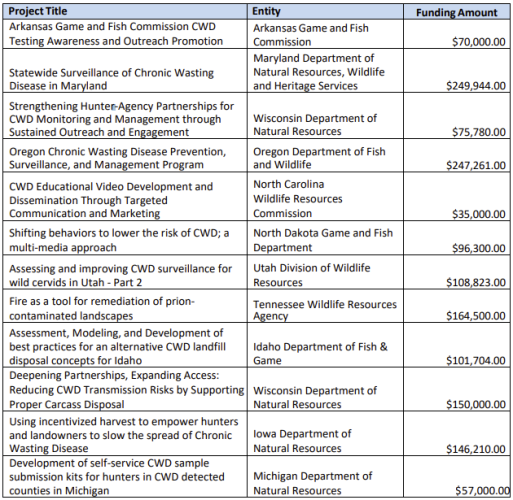
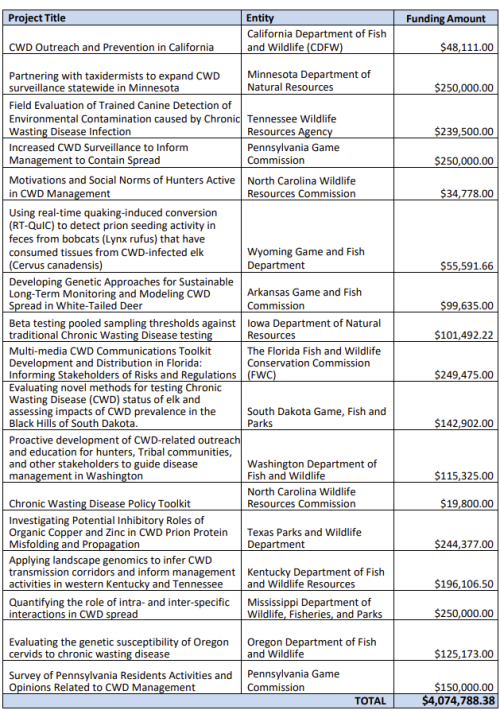
I think of it as an investment in deer and deer hunting.
"Deer are the most popular game animals in the United States. In 2016, 8.1 million hunters (70% of all hunters) pursued deer [5]. These same hunters contributed $20.9 billion to the U.S. gross domestic product and generated $5 billion in taxes through spending on travel, lodging, meals, equipment, animal processing, guiding, land access, and other amenities [6]. Elk hunters, though fewer in number than deer hunters, (0.7 million in 2016; [5]) tend to spend more per hunting trip than other cervid hunters and are often strong economic contributors at local and regional scales [7]."
"Beyond spending on hunting-related travel and expenditures, deer hunters drive the bulk of hunting license sales in the United States [5]. Because these license sales contribute significantly to natural resources agency budgets [16], deer hunting can have a strong influence on agency operations and the management of resources beyond deer [2]."
Cervids are economically important to a wide range of stakeholders and rights holders in the United States. The continued expansion of chronic wasting disease (CWD), a fatal neurodegenerative disease affecting wild and farmed cervids, poses a direct and indirect threat to state and federal...

journals.plos.org