

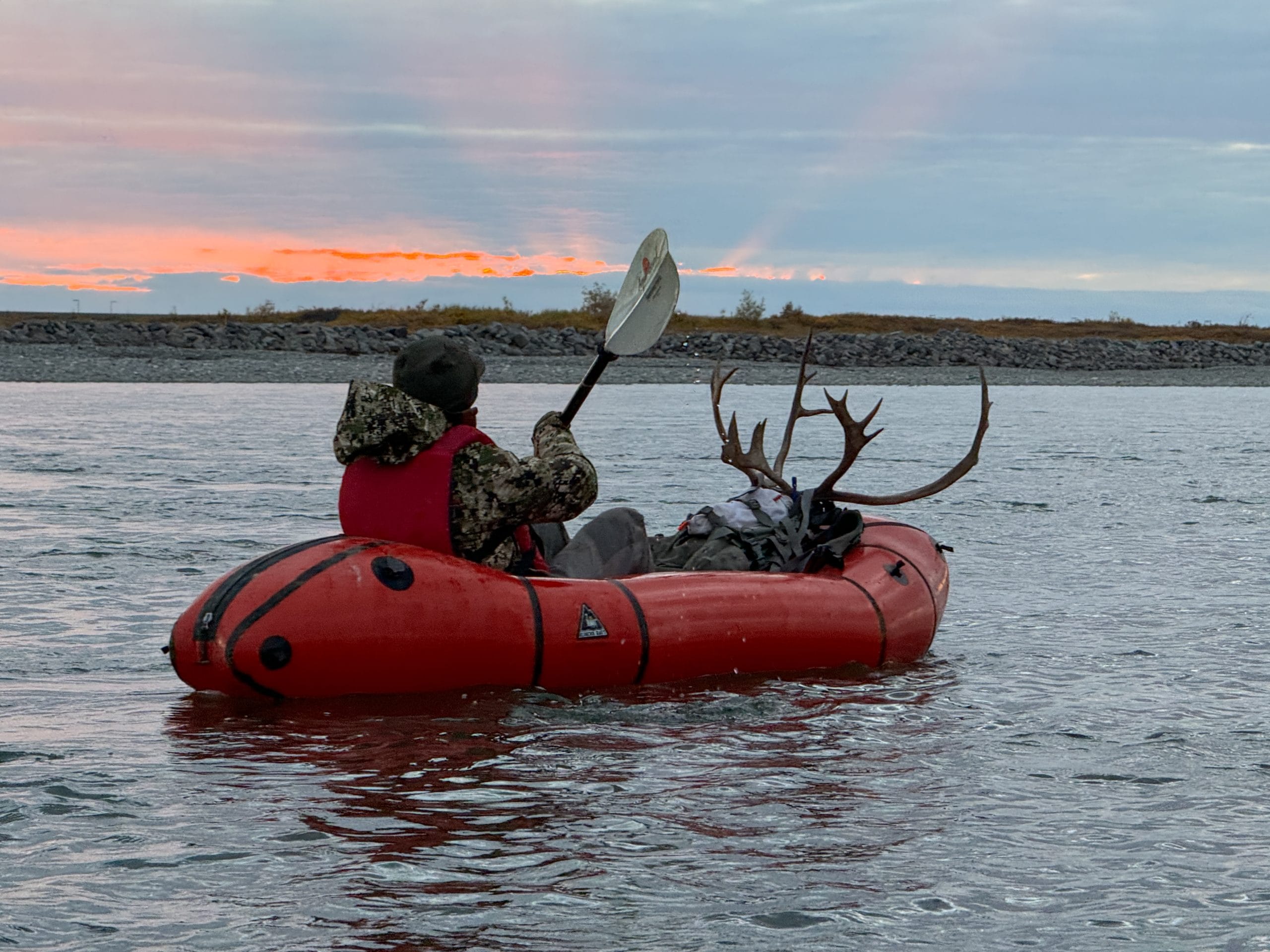
Hunting in Alaska—or even northern Canada, means dealing with unpredictable weather, extreme remoteness, and conditions that can change in an instant. It’s not just about being cautious—it’s about being overly cautious. These regions are unlike anywhere else in the world, and they demand a level of preparation that can’t be overstated.
No Room for Unnecessary Risks while Hunting in Alaska
In the lower 48 states, you might think, “If I get into trouble, I’ll just call someone for help.” But in Alaska, cell service is often nonexistent. You can’t rely on the idea that someone will come pick you up on the other side of a drainage or ridge. Taking unnecessary risks here can have dire consequences. Even when you do everything right, the weather, terrain, and conditions can still put you in a tough spot.
Alaska’s remoteness is real and real dangerous.
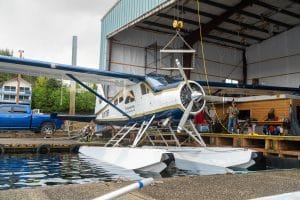
When the pilot says, “We can’t get in today,” that’s it. There’s no pushing the envelope or pressuring them to take risks. Alaska is one of the most unforgiving places on Earth when it comes to terrain, weather, and isolation. You have to respect that and adjust your mindset accordingly.
That’s why it’s crucial to approach Alaska with a different mindset. Your risk tolerance needs to be lower. You have to be prepared mentally and physically for the challenges ahead. Many of the stories you hear about people getting into trouble in Alaska involve boats—people unfamiliar with tides, staying out in bad weather, or not having the right gear. Hypothermia, capsized boats, and other emergencies are real dangers.
The Importance of Gear and Preparation for Hunting in Alaska
One thing you’ll notice when we’re hunting from boats or using airplanes (not hunting from them, of course) is that I always carry an orange bag I call the “Oh Bleep” gear. Inside is the absolute minimum gear that I need to survive: a marine radio, survival gear, a water filtration system, and other essentials. If something goes wrong, this bag ensures I’ll be okay. When I beach the boat, the first thing I do is hang that bag in a tree. That way, if the boat floats away or breaks down, my survival gear isn’t lost with it.
There’s a saying among military folks: “One is none, and two is one.” In other words, always have a backup. Nowhere is this advice more relevant than in Alaska. When we got back from this hunt, we were soaking wet, and the temperatures were in the 40s. Without the right clothing, gear, and a dry tent, hypothermia becomes a serious risk.
Hunting in Alaska Comes with Risk
Alaska offers incredible adventures—mountain goat hunts, moose hunts, big bear hunts—but it also comes with significant risks. It’s essential to know where those margins of risk are and to shrink them even further. Don’t take the same risks you might take in the lower 48 or in less extreme environments. Here, there’s no cell service, and help can be hours away—if the weather even allows for rescue.
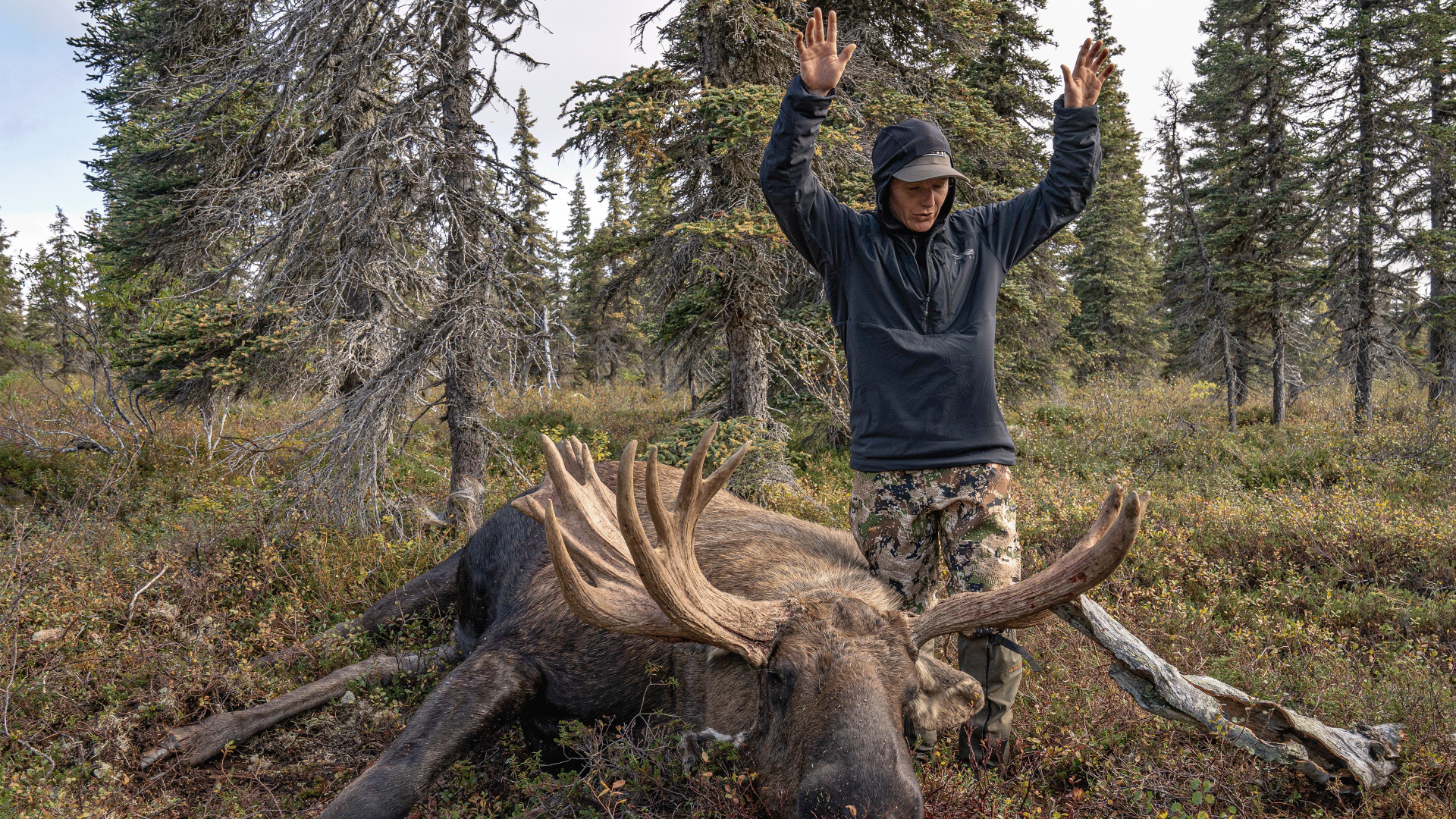
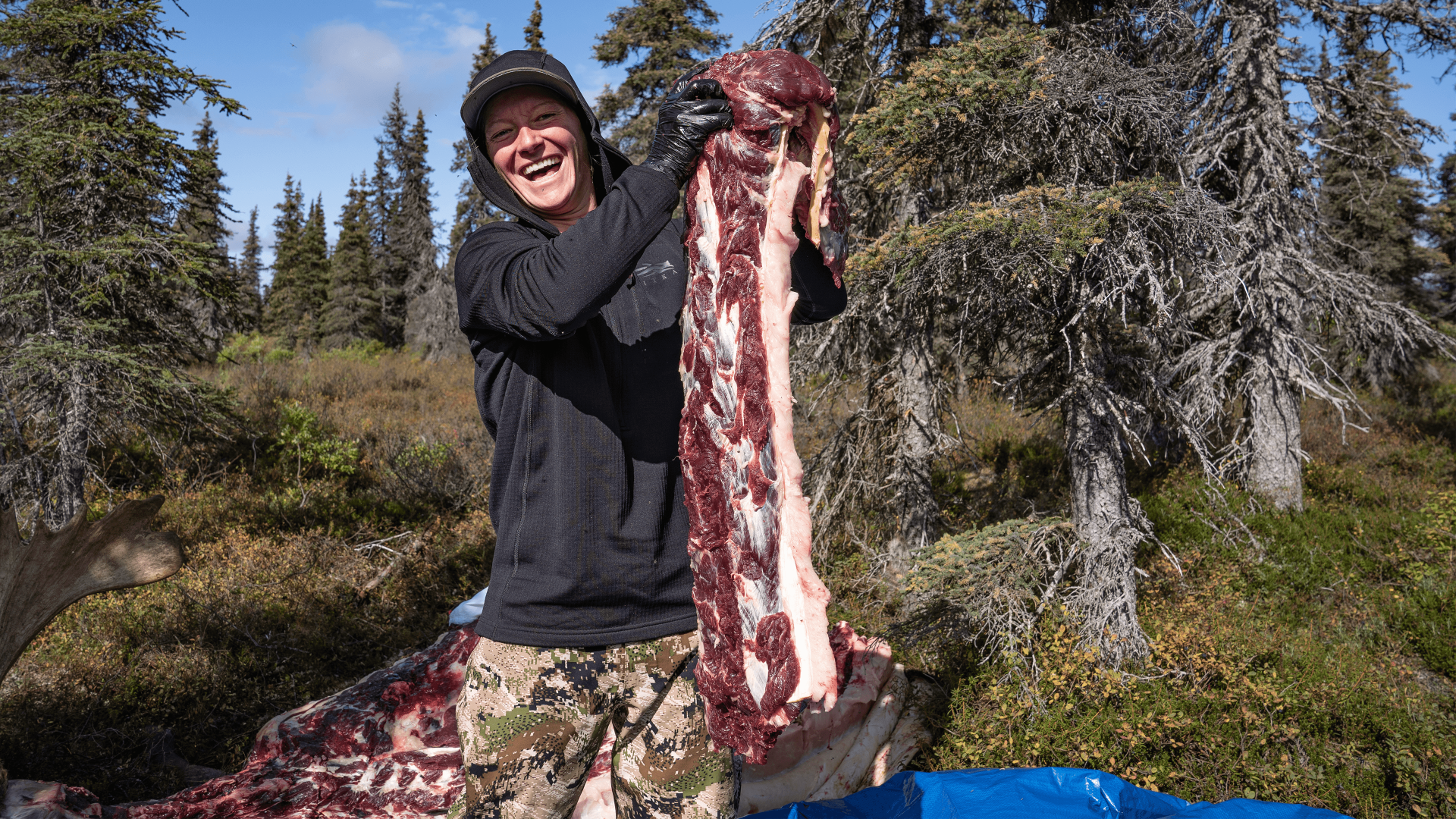
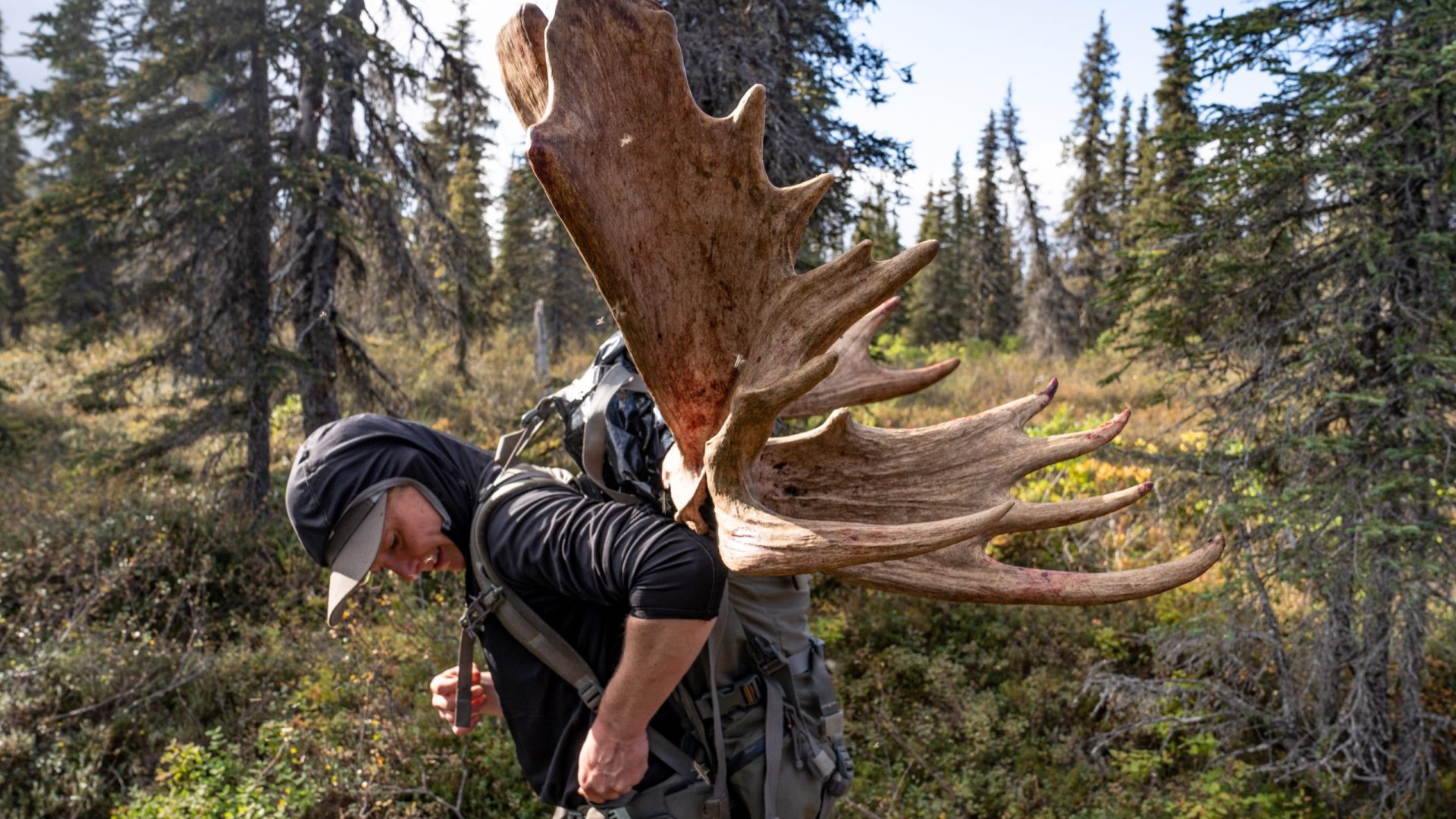
 Kara celebrates an impressive Alaskan bull moose.
Final Thoughts
Alaska is an amazing place, full of adventure and beauty, but it demands respect. Play it safe, come prepared, and don’t push the envelope. The last thing you want is to be one of those stories we read about—someone who took one risk too many and paid the price. So, if you’re planning a trip to Alaska, embrace the adventure, but always err on the side of caution. It’s the only way to ensure you’ll live to tell the tale.
And if you’re still in the planning phase of your Alaskan adventure, be sure to check out our guide to applying for tags in Alaska. Your one stop source for obtaining a tag!